Best Way to Clean Black Mould Off Walls in the UK
Discover the safest and most effective methods for cleaning black mould from walls in UK homes, following expert IICRC S520 guidelines.
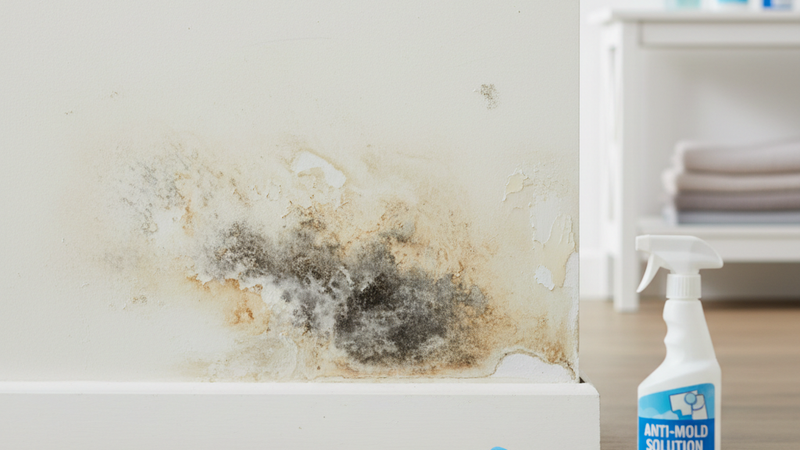
Finding black mould on your walls can be a distressing and unhealthy issue for any homeowner or tenant in the UK. This comprehensive guide will walk you through understanding black mould, the potential health risks, effective cleaning methods, professional remediation processes, and crucial prevention strategies, all adhering to industry best practices and UK regulations.
Understanding Black Mould and Its Impact
Black mould, often identified by its dark, fuzzy, or slimy appearance, is a common problem in properties with excess moisture. It's not just an aesthetic issue; it can significantly impact both your property's integrity and the health of its occupants.
What is Black Mould?
Black mould is a general term often used to describe various species of mould that appear dark green or black. One of the most commonly associated types is Stachybotrys chartarum, but many other common moulds, such as Cladosporium and Aspergillus, can also appear black. These moulds thrive in damp, humid conditions, feeding on organic materials like the paper facing of plasterboard, wood, and fabrics.
Mould spores are ubiquitous in the environment, but they only become problematic when they find a suitable environment to grow indoors. Common causes of black mould growth include:
- Condensation: Poor ventilation in bathrooms, kitchens, and bedrooms.
- Water Leaks: Leaking roofs, pipes, or foundations.
- Rising Damp: Moisture drawn up from the ground into walls.
- Penetrating Damp: Water ingress through walls due to faulty guttering or damaged brickwork.
- Flooding: Residual moisture after a flood event.
Why Black Mould is a Concern
Beyond its unsightly appearance, black mould indicates an underlying moisture problem that, if left unaddressed, can lead to structural damage over time. It can degrade building materials, causing discolouration, weakening structures, and emitting a musty odour that permeates the property.
Health & Safety Concerns Associated with Mould
Exposure to mould, especially in enclosed spaces like homes, can trigger a range of health problems. The severity of these issues often depends on the type of mould, the level of exposure, and individual sensitivities.
Potential Health Risks of Mould Exposure
The NHS advises that mould exposure can cause various symptoms, particularly in those with allergies or respiratory conditions. These can include:
- Respiratory problems: wheezing, coughing, shortness of breath.
- Allergic reactions: sneezing, runny nose, red eyes, skin rashes.
- Asthma exacerbation: increased frequency and severity of asthma attacks.
- Headaches and fatigue.
- Irritation of the eyes, nose, throat, and skin.
Important point
While often sensationalised, the term 'toxic mould' can be misleading. While some moulds produce mycotoxins, direct evidence linking typical indoor mould exposure to rare, life-threatening conditions is still under extensive research. However, any mould growth should be treated seriously due to its known health impacts.
Protecting Yourself During Remediation
The Health and Safety Executive (HSE) provides guidance on working with mould. When attempting to clean mould yourself, it's crucial to protect yourself from airborne spores and chemicals. Always use:
- Personal Protective Equipment (PPE): FFP2 or FFP3 respirator mask (the UK equivalents of the US N95 and P100), rubber gloves, and eye protection (goggles).
- Protective Clothing: Long-sleeved shirts and trousers to prevent skin contact.
- Ventilation: Open windows and use fans to exhaust air outside, preventing spores from spreading to other areas.
- Containment: If the mould affected area is significant (over 1 square meter), consider sealing the work area with plastic sheeting to prevent cross-contamination.
UK Regulations and Industry Standards for Mould
In the UK, both homeowners and landlords have responsibilities regarding mould, with regulations and guidelines in place to ensure properties are safe and healthy.
IICRC S520 Guidelines
The Institute of Inspection, Cleaning and Restoration Certification (IICRC) sets the global standard for professional mould remediation through its S520 Standard and Reference Guide for Professional Mould Remediation. While not a statutory requirement in the UK, it is the benchmark for reputable professional mould remediators.
Key principles of IICRC S520 include:
- Source Identification & Elimination: Addressing the moisture source is paramount.
- Containment: Preventing the spread of mould spores.
- Removal: Physical removal of mould-contaminated materials, not just killing the mould.
- Drying: Ensuring all affected materials are thoroughly dried.
- Verification: Post-remediation inspection and, if necessary, testing to ensure the problem is resolved.
Housing Health and Safety Rating System (HHSRS)
For landlords and property managers, the Housing Health and Safety Rating System (HHSRS), enforced by local authorities, considers damp and mould a Category 1 or 2 hazard, depending on its severity and impact. Landlords have a legal obligation to ensure their properties are safe and free from such hazards. Failure to address significant mould issues can lead to enforcement action, including improvement notices and fines.
Awaab's Law and Tenant Rights
The tragic death of Awaab Ishak due to prolonged exposure to mould highlighted systemic failures in social housing. This has led to calls for and the implementation of Awaab's Law, which, since 27 October 2025, sets strict deadlines for social landlords in England to address hazards like mould. While primarily for social housing, it underscores the growing importance of promptly addressing mould issues across all housing sectors in the UK.
Effective Methods for Cleaning Black Mould Off Walls
For minor mould patches (smaller than 1 square meter), DIY cleaning can be effective. However, it's crucial to understand the limitations and risks.
DIY Cleaning for Small Areas
Before you begin, ensure you've identified and fixed the moisture source. Simply cleaning the mould without addressing the underlying cause will only result in its return.
- Preparation: Don PPE (gloves, mask, goggles). Protect nearby furniture with plastic sheeting. Ensure good ventilation.
- Cleaning Solution:
- White Vinegar: Undiluted white vinegar kills many common household moulds. Spray directly onto the mouldy surface, let it sit for at least an hour, then scrub with a stiff brush.
- Hydrogen Peroxide (3%): Spray or pour on the mould, let it sit for 10 minutes, then scrub.
- Bicarbonate of Soda: Mix with water to form a paste, apply to mould, scrub, and rinse. It also helps to deodorise.
- Mould Removers: Commercial products often contain fungicides. Always follow manufacturer's instructions and ensure the area is well-ventilated.
- Scrubbing & Drying: Scrub the area thoroughly to remove all visible mould. Use a clean cloth dampened with your chosen solution. Dispose of cloths and brushes carefully. After cleaning, ensure the wall is completely dry. Use fans or dehumidifiers.
Important point
Avoid using bleach on porous surfaces like plasterboard. While bleach can kill mould on non-porous surfaces, on porous materials, the water content in bleach can feed the mould roots, potentially worsening the problem. It also doesn't address mycotoxins.
Disposing of Contaminated Materials
Any cloths, sponges, or protective sheeting used during cleaning should be sealed in plastic bags and disposed of with general household waste. If clothing becomes contaminated, wash it on a hot cycle immediately.
Professional Mould Remediation Process
When mould growth is extensive, pervasive, or recurrent, professional remediation is the safest and most effective course of action. Professionals follow strict protocols to ensure complete removal and prevent recurrence.
Assessment and Source Identification
A professional mould remediator will first conduct a thorough assessment to identify the type and extent of mould growth, but most importantly, pinpoint the moisture source. This often involves using thermal imaging cameras, moisture meters, and air sampling. Understanding the root cause is critical for effective long-term solutions.
Containment and Air Filtration
To prevent cross-contamination, professionals establish containment barriers using plastic sheeting and negative air pressure machines. These machines create a vacuum, preventing spores from escaping the work area, and pass air through HEPA filters to capture airborne mould spores.
Mould Removal and Structural Drying
Contaminated porous materials, such as plasterboard, insulation, and carpets, are carefully removed and double-bagged for disposal. Non-porous surfaces are cleaned with biocides and antimicrobial agents approved for UK use. Following removal, specialised drying equipment (dehumidifiers, air movers) is used to thoroughly dry the affected area and any remaining structural elements to prevent future growth.
Post-Remediation Verification
After the physical removal and drying, a post-remediation verification process ensures that the mould has been successfully eliminated. This can involve visual inspections, moisture readings, and, if required, air quality testing conducted by an independent third-party hygienist. This step provides peace of mind that the property is mould-free and safe for re-occupancy.
Prevention and Long-Term Maintenance
Preventing mould is far more effective and less costly than cleaning it. Implementing these strategies will help maintain a healthy, mould-free home.
Controlling Humidity and Ventilation
Good ventilation is key. Ensure proper air circulation, especially in moisture-prone areas:
- Ventilate: Use extractor fans in bathrooms and kitchens. Open windows regularly, even for short periods, especially after showering, cooking, or drying clothes indoors.
- Dehumidifiers: Use dehumidifiers in areas with persistently high humidity (above 60%).
- Heating: Maintain a consistent, moderate temperature throughout your home to prevent cold spots where condensation forms.
Addressing Moisture Sources Promptly
Be vigilant about leaks and damp. Promptly repair:
- Leaking roofs, pipes, and taps.
- Damaged guttering and downpipes that could lead to penetrating damp.
- Cracks in exterior walls or foundations.
- Ensure proper drainage around your property.
Property Maintenance and Cleaning
Regular cleaning and maintenance can also help:
- Clean bathrooms and kitchens regularly with mould-inhibiting cleaners.
- Keep surfaces dry, especially after use.
- Avoid overfilling wardrobes and cupboards to allow air circulation.
- Consider mould-resistant paints in high-humidity areas.
When to Call Professional Mould Remediation Specialists
Deciding whether to tackle mould yourself or call in experts is critical. Here's when to absolutely seek professional help.
Large Areas of Mould Growth
If the mould covers an area larger than 1 square meter (roughly a metre by a metre, or about eight A3 sheets of paper), it's recommended to contact professionals. Large infestations often indicate a more significant underlying moisture issue and require specialised equipment and expertise for safe and effective removal.
Recurrent Mould and Hidden Mould
If mould keeps returning after you've cleaned it, or if you suspect hidden mould behind walls or under flooring (indicated by a persistent musty smell without visible mould), a professional assessment is crucial. They can identify the hidden source and address it effectively.
Health Concerns and Vulnerable Occupants
If anyone in the household suffers from respiratory issues, allergies, a compromised immune system, or if there are infants or elderly individuals present, professional remediation is strongly advised, regardless of the mould's size. Their health is simply too important to risk.
Expert Insight
A reputable mould remediation company will follow IICRC S520 guidelines, providing a clear scope of work, transparent pricing (use our cost calculator for estimates), and post-remediation verification. Don't hesitate to ask for their qualifications and experience.
For more insights and advice on maintaining a mould-free home, explore our blog.