Surface Mould on Walls: UK Guide to Remediation & Prevention
Discover how to identify, safely remove, and prevent surface mould on walls in your UK home. Expert guidance based on IICRC S520 standards.
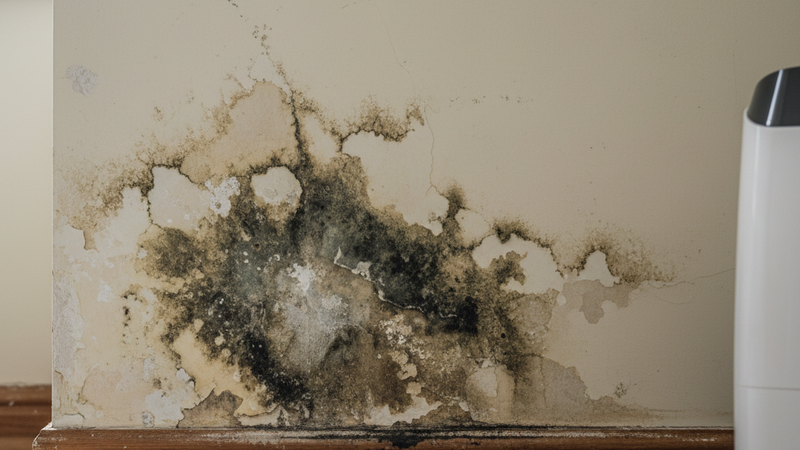
Surface mould on walls is a common and concerning issue for many UK homeowners and tenants, often indicating elevated indoor humidity and potential underlying damp problems. While it might appear cosmetic at first, ignoring it can lead to significant health complications and structural damage to your property. This comprehensive guide will delve into understanding, safely addressing, and preventing surface mould in line with professional standards.
Understanding Surface Mould on Walls
Surface mould typically manifests as discoloured patches, ranging from black and grey to green, brown, or even white, appearing directly on the painted or plastered surface of walls. It's often accompanied by a musty, earthy odour and thrives in environments with high moisture levels and poor ventilation.
Common Causes of Surface Mould
Several factors contribute to the proliferation of surface mould in UK properties. Identifying the root cause is paramount to effective remediation and long-term prevention.
- Condensation: This is arguably the most prevalent cause in the UK. Warm, moist air (from cooking, showering, drying clothes indoors) comes into contact with cold wall surfaces, causing water vapour to condense into liquid. Areas like bathrooms, kitchens, and poorly insulated external walls are particularly susceptible.
- Penetrating Damp: Water ingress through external walls due to faulty guttering, damaged roof tiles, cracked rendering, or porous brickwork can lead to damp patches internally, providing a perfect breeding ground for mould.
- Rising Damp: Although less common, rising damp occurs when groundwater rises through capillary action in porous materials like brickwork and mortar, carrying moisture up walls from the ground. This often leaves a tide mark and can lead to mould.
- Leaking Pipes or Roofs: Hidden leaks from plumbing, central heating systems, or faulty roof structures can saturate wall materials from within, creating ideal conditions for mould growth, often without obvious external signs until the mould appears.
- Poor Ventilation: Insufficient air circulation prevents moist air from escaping, trapping humidity indoors and fostering condensation and mould growth.
Identifying Different Types of Mould (Visually)
While laboratory testing is required for definitive identification, visual characteristics often provide clues about mould types. However, regardless of type, all visible mould should be treated with caution.
- Black Mould (e.g., Stachybotrys chartarum): Often presents as slimy, black, and sometimes greenish-black patches. It's frequently associated with water damage from leaks or floods.
- White Mould: Can appear powdery, fluffy, or thread-like. It's often mistaken for efflorescence (salt deposits) but unlike mould, efflorescence is typically crystalline and doesn't grow.
- Green/Blue Mould (e.g., Penicillium, Aspergillus): Common on damp surfaces, often fuzzy in appearance. These are widespread indoor moulds.
- Pink Mould (e.g., Serratia marcescens): While technically a bacterium, it often grows alongside mould in high-moisture areas like bathrooms and can appear pink or reddish.
Important Point
Never attempt to identify mould by smell or direct contact. If you suspect black mould, or any mould covering a significant area (>1 square meter), always consult with a qualified professional. Some moulds can produce mycotoxins that are harmful.
Health and Safety Concerns Related to Wall Mould
Mould spores are ubiquitous, but when they proliferate indoors, they can significantly impact air quality and pose various health risks, particularly for vulnerable individuals. The UKHSA guidance on damp and mould provides valuable information on the health effects of damp and mould.
Common Health Impacts
Exposure to mould spores can trigger a range of symptoms, from mild irritation to severe respiratory conditions.
- Respiratory Problems: Coughing, wheezing, shortness of breath, and exacerbation of existing conditions like asthma and COPD.
- Allergic Reactions: Sneezing, runny nose, red eyes, skin rashes (dermatitis), and headache.
- Immunological Effects: For individuals with compromised immune systems, mould exposure can lead to more serious infections.
- Fatigue and Headaches: Some individuals report flu-like symptoms, persistent fatigue, and headaches in mouldy environments.
Vulnerable Groups
Certain demographics are particularly susceptible to the adverse health effects of mould exposure. The HSE (Health and Safety Executive) provides guidance on workplace mould, which extends to home environments for health concerns.
- Infants and Young Children: Their developing respiratory systems are more sensitive.
- Elderly Individuals: Often have weaker immune systems and pre-existing respiratory conditions.
- Asthmatics and Allergy Sufferers: Mould can trigger severe attacks and reactions.
- Individuals with Compromised Immune Systems: (e.g., HIV/AIDS patients, those undergoing chemotherapy, organ transplant recipients).
- Individuals with Chronic Respiratory Conditions: Such as cystic fibrosis.
Important Point
Always wear appropriate Personal Protective Equipment (PPE) – including a respirator (FFP2 minimum), gloves, and eye protection – when dealing with any mould, especially if the area is larger than a small patch. For significant mould growth, professional intervention is safer.
UK Regulations and Professional Standards
In the UK, while there isn't one single mould-specific regulation for domestic properties, several frameworks and professional guidelines govern how mould should be addressed, particularly concerning landlord responsibilities and health and safety.
IICRC S520 and Industry Best Practices
The IICRC S520 Standard for Professional Mould Remediation is the universally recognised benchmark for mould assessment and remediation. While not a statutory obligation in the UK, it represents the industry best practice followed by professional remediation specialists.
- Containment: Establishing physical barriers to prevent cross-contamination.
- Air Filtration: Using HEPA-filtered air scrubbers to remove airborne spores.
- Moisture Control: Identifying and fixing the source of moisture is paramount. Mould cannot be effectively removed if the moisture problem persists.
- Removal of Contaminated Materials: Non-porous materials can often be cleaned; porous materials (e.g., drywall, insulation) often require removal and disposal.
- Cleaning and Disinfection: Using appropriate biocides and cleaning agents, followed by thorough drying.
- Post-Remediation Verification: Ensuring the mould has been effectively removed and the environment is safe.
Housing Health and Safety Rating System (HHSRS) & Awaab's Law
The HHSRS is a risk assessment tool used by local authorities in England and Wales to assess housing conditions. Damp and mould growth is one of the 29 HHSRS hazards and is rated Category 1 when severe enough to pose a serious threat to health and safety. Landlords have a legal obligation to address these hazards.
Furthermore, Awaab's Law, introduced in response to the tragic death of Awaab Ishak, has, since 27 October 2025, imposed strict timelines on social housing landlords in England to investigate and fix hazards like damp and mould. This legislation has significantly strengthened tenant rights and landlord accountability.
Important Point
If you are a tenant and your landlord is not addressing a mould issue, you can contact your local council's environmental health department. They can assess the property under HHSRS and enforce necessary repairs.
Professional Mould Remediation Process
When faced with significant mould on walls, a structured, professional approach is crucial to ensure complete removal and prevent recurrence. Following IICRC S520 guidelines, professional mould remediation typically involves several key stages.
Assessment and Source Identification
The initial step is a thorough inspection to determine the extent of mould contamination and, critically, to identify and rectify the underlying moisture source. This may involve:
- Visual Inspection: Identifying visible mould growth and areas of water damage.
- Moisture Meter Readings: To pinpoint concealed moisture and measure the moisture content of building materials.
- Thermal Imaging: To detect temperature differences that may indicate hidden moisture or insulation issues.
- Air Quality Testing (Optional/Advanced): To measure airborne spore counts and identify specific mould types, determining the risk level and efficacy of remediation.
Containment and Air Purification
To prevent the spread of mould spores to unaffected areas:
- Physical Containment: Using poly sheeting and zip walls to seal off the affected area from the rest of the property.
- Negative Air Pressure: Employing negative air machines with HEPA filters to create a pressure differential, ensuring air flows into, rather than out of, the containment zone, and trapping airborne spores.
- HEPA Vacuuming: Thoroughly vacuuming all surfaces within the containment before, during, and after remediation to capture loose spores.
Removal and Cleaning
This is the core of the remediation process:
- Removal of Heavily Contaminated Materials: Porous materials like plasterboard, insulation, and sometimes even timber joists that are heavily laden with mould are carefully removed, double-bagged, and disposed of according to waste regulations.
- Cleaning of Non-Porous Surfaces: Walls, hard flooring, and other non-porous surfaces are cleaned with specialist mould remediation solutions, ensuring mould is not just bleached but permanently eradicated at the root.
- Encapsulation (Selective): After thorough cleaning, in some cases, an antimicrobial coating or sealant may be applied to resistant surfaces to inhibit future growth.
- Drying: Once cleaned, the area is thoroughly dried using dehumidifiers and air movers to bring moisture levels down to acceptable standards.
Prevention and Long-Term Maintenance
Preventing mould on walls is far more effective and less costly than remediation. A proactive approach to moisture control and ventilation is key for UK homes.
Effective Moisture Management
Controlling the sources of moisture in your home is the most critical step in preventing mould.
- Fix Leaks Promptly: Regularly inspect and repair leaky pipes, roofs, and windows. Ensure gutters and downpipes are clear and functional.
- Manage Condensation:
- Use extractor fans in bathrooms and kitchens.
- Open windows for short periods daily, even in winter, to allow moist air to escape.
- Avoid drying laundry indoors, or if unavoidable, ensure good ventilation and use a dehumidifier.
- Keep heating on low and consistent, rather than sporadic high bursts.
- Ensure furniture is not pushed tight against external walls to allow air circulation.
- Address Rising or Penetrating Damp: These require professional assessment and rectification, such as damp-proof course installation or external repairs.
Improving Ventilation and Airflow
Good ventilation is paramount for reducing humidity and preventing stale air where mould thrives.
- Install/Maintain Extractor Fans: Ensure they are powerful enough for the room size and regularly cleaned.
- Trickle Vents and Window Openings: Utilise trickle vents on windows and open windows regularly, especially after activities that generate moisture.
- Consider Mechanical Ventilation: Systems like Positive Input Ventilation (PIV) or Mechanical Ventilation with Heat Recovery (MVHR) can provide continuous, controlled ventilation for the whole house. University research highlights their effectiveness.
- Avoid Overcrowding: More occupants mean more moisture production. Ensure adequate ventilation for the number of people in the property.
Regular Cleaning and Monitoring
Keeping surfaces clean and being vigilant can help catch minor mould issues before they escalate.
- Wipe Down Condensation: Regularly wipe away condensation from windows and cold surfaces.
- Clean Surfaces: Regular cleaning of bathroom tiles, kitchen surfaces, and walls with general household cleaners can help prevent initial mould growth.
- Monitor for Musty Odours: A persistent musty smell is often the first indicator of hidden mould.
- Check Behind Furniture: Periodically move furniture from external walls to check for hidden mould growth.
When to Call Professional Mould Remediation Specialists
While small patches of surface mould might be manageable for a homeowner, there are definitive situations where professional intervention is not just recommended, but essential for health and safety.
Signs it's Time for Professional Help
Do not hesitate to contact experts if you encounter any of the following:
- Large Area of Contamination: If the mould covers an area larger than 1 square metre (roughly a metre by a metre, or about eight A3 sheets of paper).
- Hidden Mould: If you suspect mould behind walls, under flooring, or in ceiling voids due to musty smells or unexplained health issues.
- Health Concerns: If mould is causing or exacerbating health problems for occupants, especially those in vulnerable groups.
- Repeated Recurrence: If mould keeps returning after your attempts to clean it, indicating an unresolved moisture source.
- Post-Water Damage: After a flood, burst pipe, or significant leak, even if mould isn't immediately visible, professional assessment is crucial due to the high risk.
- Black Mould: While all mould should be treated with caution, species like Stachybotrys chartarum are particularly concerning, and best left to professionals.
- If you are a tenant: Report it to your landlord immediately. If they do not act, contact your local council (as per HHSRS guidance).
What to Expect from a Professional Service
A reputable UK mould remediation specialist will:
- Conduct a detailed and thorough assessment to identify the mould type, extent, and crucially, the underlying moisture issue.
- Provide a clear report and quote outlining the proposed remediation plan, adhering to IICRC S520 guidelines.
- Implement appropriate containment measures to prevent cross-contamination.
- Utilise specialised equipment for air filtration and drying.
- Perform professional mould removal, cleaning, and sanitisation, often involving the disposal of contaminated materials.
- Offer advice on prevention strategies and may conduct post-remediation verification. You can also explore our mould removal cost calculator for an estimate.
Addressing surface mould on walls effectively protects both your property and your health. By understanding its causes, potential risks, and the professional standards for remediation, you can make informed decisions. Don't hesitate to seek expert advice if the problem is extensive or persistent. For more insights and tips, explore our blog.