Cold Wall Mould: Identification, Health Risks & Remediation UK
Discover the causes, health implications, and effective remediation strategies for cold wall mould in UK properties, guided by IICRC S520 standards.
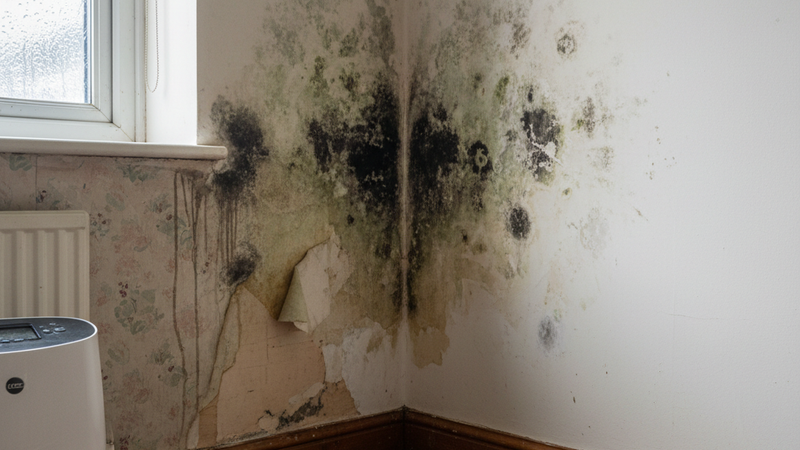
Cold wall mould, often appearing as black, green, or grey discoloration on interior walls, is a prevalent issue in UK homes, particularly during colder months. It's a direct consequence of condensation forming on cold surfaces when warm, moist air comes into contact with them. This article offers a comprehensive guide to understanding, remediating, and preventing cold wall mould, adhering to robust industry standards like IICRC S520.
Understanding Cold Wall Mould and Its Causes
Cold wall mould is not a single species; it is usually caused by common condensation moulds such as Cladosporium, Aspergillus and Penicillium, which thrive in damp, poorly ventilated environments. Identifying its presence early is crucial for effective management.
What is Cold Wall Mould?
Cold wall mould is a type of fungal growth that develops on interior surfaces, especially external walls, ceilings, and in corners, where thermal bridges create colder patches. It's not a specific mould species but rather a descriptor for mould growth caused by surface condensation. The mould spores, ever-present in the air, find an ideal breeding ground on these consistently damp surfaces, proliferating rapidly.
Key Factors Contributing to Cold Wall Mould
Several factors combine to create the perfect storm for cold wall mould:
- Poor Insulation: Walls with inadequate insulation lose heat quickly, becoming colder than internal air temperatures.
- Thermal Bridging: Structural elements like concrete lintels or steel beams can transfer cold from outside, creating localised cold spots on internal walls.
- High Humidity: Everyday activities such as cooking, showering, drying clothes indoors, and even breathing release significant moisture into the air.
- Lack of Ventilation: Insufficient air circulation prevents moist air from escaping, allowing it to condense on cold surfaces.
- Single Glazing: Older windows are often cold, leading to condensation that can then spread to adjoining walls.
Differentiating from Other Damp Issues
It's vital to distinguish cold wall mould from mould caused by other forms of damp, such as rising damp or penetrating damp. Condensation mould typically appears as a patchwork or speckled growth on surfaces, distinct from the tidal marks of rising damp or the localised, often damp-to-touch patches of penetrating damp. Understanding the root cause is paramount for correct remediation.
Important point
While often black, cold wall mould can also appear green, grey, or white. Any persistent discoloration accompanied by a musty smell indicates mould growth and requires investigation.
Health & Safety Concerns of Cold Wall Mould
Living with mould can significantly impact health, particularly for vulnerable groups. The NHS and Health and Safety Executive (HSE) both highlight the risks associated with exposure to mould spores and volatile organic compounds (mVOCs) released by mould.
Impact on Respiratory Health
Mould spores, when inhaled, can trigger or worsen respiratory conditions. According to NHS guidance on allergies, mould exposure can lead to:
- Asthma attacks and wheezing
- Allergic reactions such as sneezing, runny nose, red eyes, and skin rash
- Coughing and shortness of breath
- Increased susceptibility to respiratory infections
Individuals with pre-existing conditions like asthma, chronic obstructive pulmonary disease (COPD), or weakened immune systems are at higher risk.
Other Health Implications
Beyond respiratory issues, chronic mould exposure can lead to a range of other symptoms:
- Headaches and fatigue
- Skin irritation
- Eye irritation
- Nausea
- Neurocognitive effects, though these are less commonly proven and often linked to severe, prolonged exposure to toxic moulds.
Workplace and Tenant Safety
The HSE provides guidance on mould in workplaces, emphasizing the employer's duty to protect staff from health risks, including those posed by mould. Similarly, landlords have a legal obligation to provide safe and healthy living conditions, specifically addressed by the Housing Health and Safety Rating System (HHSRS).
UK Regulations and Standards for Mould Remediation
Mould remediation in the UK is governed by a combination of housing regulations, health and safety guidelines, and industry best practices to ensure effective and safe removal.
The Housing Health and Safety Rating System (HHSRS)
Under the 2004 Housing Act, the HHSRS assesses housing conditions and identifies potential hazards. Damp and mould growth are significant hazards under HHSRS, and landlords have a statutory duty to address them. Failure to do so can result in enforcement action by local authorities. Recent legislative changes, such as Awaab's Law, further strengthen tenants' rights and landlords' responsibilities against hazards like mould.
IICRC S520: Industry Best Practice
The IICRC S520 Standard for Professional Mould Remediation is the international benchmark for safe and effective mould removal. While not a statutory requirement in the UK, it is widely adopted by reputable remediation specialists and represents the highest standard of practice. Key principles include:
- Source Identification & Correction: Addressing the moisture source is paramount; otherwise, mould will recur.
- Containment: Preventing the spread of mould spores to unaffected areas.
- Air Filtration: Using HEPA-filtered air scrubbers to clean the air during and after remediation.
- Removal vs. Killing: Physical removal of mould is prioritised over simply 'killing' it, as dead mould spores can still cause health issues.
- PPE: Appropriate Personal Protective Equipment for remediators.
- Post-Remediation Verification: Ensuring the remediation has been successful and the environment is safe.
Other Relevant Regulations
Other regulations like the Control of Substances Hazardous to Health (COSHH) Regulations 2002 apply when using biocides or other chemicals during remediation. Additionally, the IICRC (Institute of Inspection, Cleaning and Restoration Certification) provides training and certification for professional mould remediators.
Professional Mould Remediation Process
When dealing with significant cold wall mould, professional remediation is often the safest and most effective approach. A professional remediation process adheres strictly to IICRC S520 guidelines, ensuring thoroughness and minimal disruption.
Initial Assessment and Moisture Source Identification
The first step is a detailed assessment by a qualified technician. This involves:
- Visual Inspection: Mapping the extent of visible mould growth.
- Moisture Mapping: Using thermal imaging cameras and moisture meters to pinpoint exact cold spots and moisture levels, identifying the root cause of condensation.
- Air Quality Testing (if necessary): To determine airborne spore levels and types.
- Remediation Plan Development: A tailored plan outlining containment strategies, removal methods, and necessary preventative measures.
Containment and Extraction
To prevent cross-contamination and protect occupants, containment is critical:
- Physical Barriers: Setting up polyethylene sheeting and negative air pressure to isolate the affected area.
- Air Filtration: Utilising HEPA-filtered air scrubbers to capture airborne mould spores.
- Controlled Demolition (if necessary): Removing severely contaminated porous materials like plasterboard or insulation.
This stage focuses on safely removing contaminated materials and thoroughly cleaning affected surfaces with appropriate biocides and anti-microbial treatments, ensuring all visible and hidden mould is eliminated.
Cleaning, Drying, and Post-Remediation Verification
After physical removal, meticulous cleaning and drying are essential:
- HVAC Cleaning: Cleaning heating, ventilation, and air conditioning systems if mould contamination is suspected within ductwork.
- Structural Drying: Employing dehumidifiers and air movers to thoroughly dry structural materials and bring humidity levels down to normal.
- Post-Remediation Inspection & Testing: A final inspection and, if required, air sampling are conducted to confirm mould has been successfully removed and spore counts are within acceptable limits.
Important point
Never attempt to dry brush or vacuum mould with a standard vacuum cleaner. This can release millions of spores into the air, spreading the problem further and increasing health risks.
Prevention and Long-Term Maintenance
Preventing cold wall mould is far more cost-effective and healthier than dealing with its aftermath. A multi-faceted approach addressing condensation, insulation, and ventilation is key.
Controlling Humidity and Improving Ventilation
Managing indoor humidity is foundational:
- Ventilate Regularly: Open windows for 10-15 minutes daily, even in winter. Use extractor fans in kitchens and bathrooms, and leave them running for a period after use.
- Minimise Moisture Production: Cover pans when cooking, dry clothes outdoors when possible, or use a vented tumble dryer. If drying indoors, use a dehumidifier in a well-ventilated room.
- Dehumidifiers: These can be highly effective in high-humidity areas, actively drawing moisture out of the air.
- Trickle Vents & MVHR Systems: Consider installing trickle vents in windows or a Mechanical Ventilation with Heat Recovery (MVHR) system for continuous, controlled ventilation without significant heat loss.
Enhancing Thermal Performance
Addressing cold surfaces directly helps prevent condensation:
- Insulation: Improve wall insulation (cavity wall, external, or internal), loft insulation, and floor insulation.
- Double Glazing: Upgrade single-glazed windows to modern double or triple glazing to eliminate cold spots around window frames.
- Thermal Break Paints: In some cases, specialist anti-condensation paints containing insulating microspheres can help raise the surface temperature of cold walls.
- Heating Habits: Maintain a consistent, moderate indoor temperature rather than allowing rooms to get very cold and then heating them intensely.
Regular Cleaning and Monitoring
Even with preventative measures, vigilance is important:
- Inspect Regularly: Pay attention to external walls, corners, and areas behind furniture for any early signs of mould.
- Clean Minor Mould: For very small, superficial patches of mould (less than 1 square meter), you might carefully clean it using appropriate PPE (gloves, mask) and a mould killer or a mild bleach solution. Always ensure the area is dried thoroughly afterwards. However, if the mould returns, it indicates an underlying moisture issue that needs professional assessment.
When to Call Professional Mould Remediation Specialists
While minor surface mould can sometimes be managed by residents, there are clear indicators that professional intervention is necessary for cold wall mould.
Signs Indicating Professional Help is Needed
You should contact specialists if:
- Mould covers a large area: Generally, anything larger than 1 square metre (roughly a metre by a metre, or about eight A3 sheets of paper).
- You suspect hidden mould: If there's a strong musty smell but no visible mould, it could be growing behind walls, under flooring, or in inaccessible areas.
- You or family members experience health symptoms: Persistent respiratory issues, allergies, or other health complaints linked to indoor air quality.
- Mould keeps returning: This indicates the root cause of the moisture problem hasn't been properly addressed.
- The affected area is complex: Such as within HVAC systems, structural components, or areas difficult to access.
- The property is a rental: As a tenant, your landlord is responsible for health and safety hazards like mould.
Benefits of Professional Remediation
Engaging professional mould remediation services offers several significant advantages:
- Expert Identification: Professionals accurately diagnose the moisture source and mould type.
- Safe & Thorough Removal: Adherence to IICRC S520 ensures complete mould removal, preventing recirculation of spores and addressing hidden growth.
- Health Protection: Minimises exposure risks for occupants during the remediation process.
- Long-Term Solutions: Specialists advise on effective preventative measures to stop recurrence.
- Post-Remediation Verification: Provides peace of mind that the property is mould-free and safe.
What to Expect from a Remediation Company
When you contact a professional, expect:
- A detailed inspection and quotation, including an explanation of the process.
- Use of specialised equipment:
- Moisture meters
- HEPA vacuums and air scrubbers
- Containment barriers
- PPE
- A focus on source identification and elimination, not just superficial cleaning.
- Post-remediation assessment for confirmation of success.
- For transparency on costs, visit our cost calculator.
Addressing cold wall mould promptly and correctly is vital for maintaining a healthy indoor environment and preserving your property's integrity. For further insights and information, explore our blog.