Home Remedies for Mould on Walls: UK Expert Guide
Discover effective home remedies for mould on walls in the UK, when to use them, and crucial safety advice to protect your home and health.
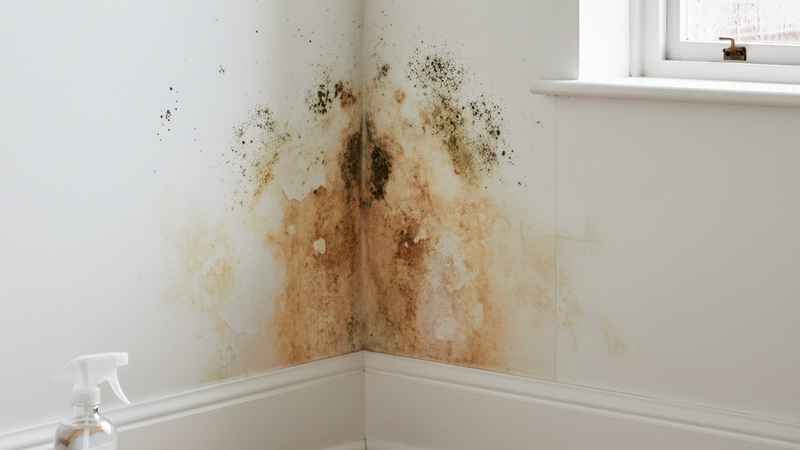
Dealing with mould on walls is a common problem in many UK homes, especially given our damp climate. While small, superficial mould patches might tempt you to reach for a DIY solution, it's crucial to understand the limitations and potential risks of home remedies. This comprehensive guide will walk you through what you need to know about tackling minor mould issues safely and effectively, emphasizing when professional intervention is absolutely necessary.
Understanding Mould in UK Homes
Mould is a type of fungus that thrives in damp, humid conditions, feeding on organic matter found in common building materials like plaster, paint, and wood. In the UK, condensation is a primary driver for mould growth, often exacerbated by poor ventilation, inadequate insulation, and rising damp.
Common Causes of Wall Mould
Mould on walls typically signals an underlying moisture problem. Identifying the source is more important than merely cleaning the visible growth. Common culprits include:
- Condensation: Warm, moist air coming into contact with cold surfaces, often in bathrooms, kitchens, and bedrooms.
- Water Leaks: Leaky pipes, roofs, or windows allowing water to penetrate walls.
- Rising Damp: Moisture from the ground travelling up through walls, particularly in older properties lacking effective damp-proof courses.
- Penetrating Damp: Water ingress through external walls due to faulty rendering, damaged brickwork, or blocked gutters.
When Home Remedies Might Be Appropriate
Home remedies are generally only suitable for small, superficial patches of mould (typically less than one square metre) that are isolated and have not penetrated deep into the building material. Critically, these methods only address the visible mould and do not resolve the underlying moisture issue. If the mould returns, it signifies a persistent problem that requires professional diagnosis and remediation.
Health & Safety Concerns with Mould
Mould isn't just an aesthetic problem; it poses significant risks to health. Exposure to mould spores can trigger allergic reactions and respiratory problems, particularly in vulnerable individuals.
Impact on Health (NHS & HSE Guidance)
The NHS website highlights that mould spores, when inhaled, can cause or worsen respiratory conditions such as asthma, bronchitis, and allergic rhinitis. Symptoms include coughing, wheezing, sneezing, skin rashes, and eye irritation. Exposure is particularly dangerous for:
- Babies and young children
- Elderly people
- Individuals with existing respiratory conditions or asthma
- People with weakened immune systems
- Those with skin conditions like eczema
The Health and Safety Executive (HSE) also provides guidance on mould as a biological hazard, emphasising the particular risks in workplaces but principles apply to homes. Preventing mould growth is crucial for public health.
Personal Protective Equipment (PPE) for DIY Cleaning
Important point
Always wear appropriate PPE when attempting to clean mould. This includes a FFP2 or FFP3 respirator mask to prevent inhaling spores, gloves to protect your skin, and eye protection to prevent irritation.
Even for small mould patches, never attempt cleaning mould without adequate protection. Disturbing mould releases millions of spores into the air, increasing your exposure risk.
UK Regulations and Best Practices (IICRC S520, HHSRS)
While there's no specific UK law against mould in private residences, landlords have a legal obligation to ensure their properties are safe and free from hazards under the Housing Health and Safety Rating System (HHSRS). New legislation like Awaab's Law further strengthens tenants' rights regarding damp and mould.
IICRC S520 Guidelines for Mould Remediation
The Institute of Inspection, Cleaning and Restoration Certification (IICRC) provides the global industry standard for professional mould remediation, known as the IICRC S520. While primarily for professionals, its principles offer valuable insight:
- Containment: Preventing mould spores from spreading to unaffected areas.
- Source Identification: Finding and fixing the moisture problem first.
- Removal: Physically removing mould, not just killing it.
- Drying: Ensuring affected materials are thoroughly dried.
- Prevention: Implementing measures to prevent recurrence.
DIY methods rarely achieve these standards effectively, especially for larger or embedded mould growth.
HHSRS and Landlord Responsibilities
The Housing Health and Safety Rating System (HHSRS) is used by local authorities in England and Wales to assess potential hazards in residential properties. Damp and mould growth is one of the 29 HHSRS hazards, and a serious case can be rated as a Category 1 hazard, which obliges the council to take enforcement action against the landlord. Tenants experiencing significant mould issues should contact their landlord in writing and, if no action is taken, their local council's environmental health department. Scotland and Northern Ireland have similar legal frameworks.
DIY Home Remedies for Minor Mould
For very small, superficial patches of mould (less than 1 square metre) on hard, non-porous surfaces, certain home remedies can be cautiously attempted. Remember, these will not prevent recurrence if the moisture source isn't addressed.
White Vinegar Solution
Undiluted white vinegar is a mild acid that can kill many common household moulds. It's less harsh than bleach and generally safer for inhalation, though still requires good ventilation.
- Method: Spray undiluted white vinegar directly onto the mouldy surface.
- Wait: Let it sit for at least an hour to allow the vinegar to penetrate and kill the mould.
- Clean: Scrub the area with a stiff brush or cloth.
- Rinse: Wipe clean with water and dry thoroughly.
- Reapply: For stubborn mould, repeat the process.
Tea Tree Oil Spray
Tea tree oil is a natural fungicide and antiseptic. It's more expensive but very effective and leaves a fresh scent. Ensure the room is well-ventilated, and note that some people may be sensitive to its strong smell.
- Method: Mix 1 teaspoon of tea tree oil with 1 cup of water in a spray bottle. Shake well.
- Spray: Apply directly to the mouldy areas.
- Leave: Do not rinse. The solution will continue to work.
Hydrogen Peroxide Solution
3% hydrogen peroxide is an antifungal, antiviral, and antibacterial solution that can treat mould. It's also suitable for use on porous and non-porous surfaces.
- Method: Pour 3% hydrogen peroxide into a spray bottle.
- Spray: Saturate the mouldy surface and let it sit for 10-15 minutes.
- Scrub: Scrub the area to remove the mould stains.
- Wipe: Wipe down with clean water and dry thoroughly.
Warning about Bleach
While household bleach (sodium hypochlorite) kills surface mould, it is highly corrosive and can damage materials. It also doesn't effectively penetrate porous surfaces where mould roots grow, often just bleaching its colour and allowing it to return. Furthermore, mixing bleach with other cleaners (like vinegar or ammonia) can create dangerous, toxic fumes. We advise against using bleach for mould in favour of safer and often more effective alternatives.
Prevention and Maintenance
The best way to deal with mould is to prevent it from growing in the first place. This involves controlling moisture levels and improving ventilation throughout your home.
Controlling Humidity and Improving Ventilation
Simple habits can significantly reduce internal humidity:
- Ventilate: Open windows for 5-10 minutes daily, especially after showering, cooking, or drying laundry indoors.
- Extractor Fans: Use bathroom and kitchen extractor fans every time you generate steam.
- Dehumidifiers: Consider using a dehumidifier in particularly damp rooms or during colder months.
- Spacing: Leave small gaps between furniture and external walls to allow air circulation.
Identifying and Fixing Moisture Sources
Regularly inspect your home for signs of leaks or damp:
- Check plumbing, roofs, and window seals.
- Ensure gutters and downpipes are clear and functional.
- Address rising or penetrating damp issues promptly.
- Improve insulation on cold external walls to prevent condensation.
When to Call Professional Mould Remediation Specialists
While DIY efforts might temporarily address minor surface mould, there are many scenarios where professional intervention is crucial for long-term health and property protection. As expert mould remediation specialists following IICRC S520 guidelines, we strongly advise against DIY approaches for anything beyond the smallest, most superficial patches.
Signs You Need Professional Help
Contact a professional immediately if you encounter any of the following:
- Large Areas: Mould covering an area larger than 1 square metre (roughly a metre by a metre, or about eight A3 sheets of paper).
- Hidden Mould: Suspicions of mould behind walls, under flooring, or in ceiling cavities (often indicated by a musty smell even if nothing is visible).
- Recurrent Mould: If mould keeps returning despite your cleaning efforts, indicating an unresolved moisture source.
- Health Concerns: If anyone in the household is experiencing mould-related health symptoms.
- After Water Damage: If mould appears after a flood, burst pipe, or significant leak.
- Porous Materials: Mould on porous materials like plasterboard, insulation, or carpets, which requires specialist removal.
What Professional Remediation Involves
Professional mould remediation goes far beyond simple cleaning. It involves a systematic, multi-step process to ensure complete removal and prevention of recurrence, adhering to strict safety protocols:
- Assessment: Identifying the species of mould, the extent of contamination, and crucially, the underlying moisture source.
- Containment: Setting up physical barriers and negative air pressure to prevent spores from spreading.
- Source Remediation: Fixing the water intrusion problem.
- Mould Removal: Using specialised equipment and techniques to physically remove mould from contaminated materials. This often involves removing and disposing of unsalvageable porous materials.
- Cleaning & Disinfection: Thorough cleaning and application of appropriate antimicrobial treatments to affected areas.
- Drying: Using industrial-grade drying equipment to ensure all materials are completely dry to prevent future growth.
- Clearance Testing: Post-remediation verification to ensure mould levels have returned to normal, healthy levels (optional but highly recommended).
For more insights into professional costs, visit our mould removal cost calculator or read our blog for expert advice on all things mould.
By understanding the limitations of home remedies and recognising when to call in the experts, you can ensure the health and safety of your home and family in the long term.