Condensation in Flats: UK Guide to Prevention & Remediation
Discover expert advice on preventing and tackling condensation in UK flats, including health risks, legal obligations, and professional remediation.
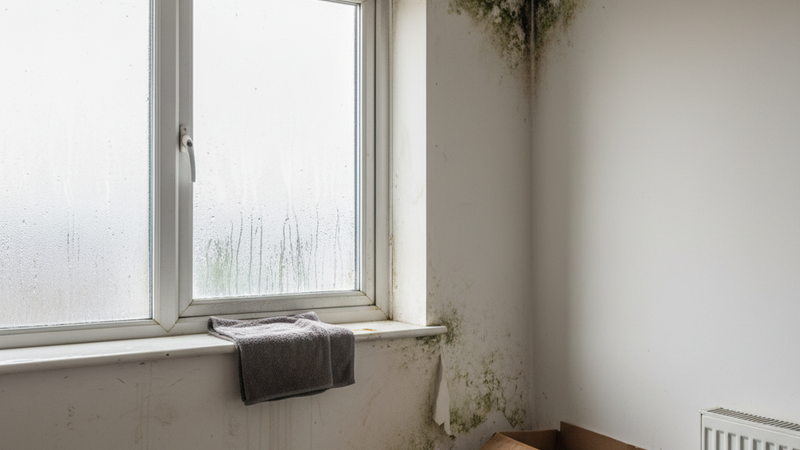
Condensation is a common issue encountered by residents in flats across the UK, often leading to unsightly mould, unpleasant odours, and potential health problems. This comprehensive guide will explore the causes, consequences, and effective strategies for managing condensation to maintain a healthy and safe living environment.
Understanding Condensation in Flats
Condensation occurs when warm, moist air comes into contact with colder surfaces, causing the water vapour in the air to turn back into a liquid form. In flats, this often manifests as water droplets on windows, walls, and ceilings, particularly in areas with poor ventilation or high humidity.
Key Causes of Condensation
Several factors contribute to condensation in flats, often working in combination. Identifying the root causes is crucial for effective mitigation.
- Excessive Moisture Generation: Everyday activities like cooking, showering, drying clothes indoors, and even breathing release significant amounts of moisture into the air. Without adequate ventilation, this moisture accumulates.
- Poor Ventilation: Modern flats, built for energy efficiency, can be very airtight. While reducing heat loss, this often restricts natural airflow, trapping moist air inside. Extractor fans may be inadequate or not used consistently.
- Cold Surfaces: Single-glazed windows, poorly insulated walls, and unheated rooms create cold surfaces that act as condensation points. The warmer the air and colder the surface, the more likely condensation is to form.
- Inadequate Heating: Intermittent or insufficient heating can lead to cold spots within the flat, particularly external walls, promoting condensation.
The Link to Mould Growth
While condensation itself isn't mould, it creates the ideal conditions for mould to thrive. Mould requires moisture, food (which can be anything from dust to plasterboard), and suitable temperatures. The damp areas caused by condensation provide the perfect breeding ground for mould spores, which are ubiquitous in the environment.
Important point
Black mould, often seen in high-condensation areas, is not always toxic but can produce allergens and irritants. Persistent condensation almost inevitably leads to mould if left unaddressed.
Health & Safety Concerns of Condensation and Mould
Beyond aesthetic issues, condensation and the subsequent mould growth pose significant health and safety risks, impacting residents' well-being and the structural integrity of the building.
Impact on Human Health
Mould spores, when inhaled, can trigger a range of respiratory problems and allergic reactions. The NHS advises that exposure to damp and mould can worsen conditions like asthma, eczema, and bronchitis. Vulnerable groups, including children, the elderly, and those with compromised immune systems, are particularly at risk.
- Respiratory Issues: Coughing, wheezing, shortness of breath, asthma attacks.
- Allergic Reactions: Sneezing, runny nose, red eyes, skin rashes.
- Other Symptoms: Headaches, fatigue, feeling generally unwell.
Structural Damage and Safety Risks
Persistent dampness from condensation can lead to a variety of structural problems:
- Deterioration of Materials: Plasterwork can crumble, paint can peel, and wallpaper can lift. Wooden elements, such as window frames and skirting boards, can warp and rot.
- Damage to Furnishings: Soft furnishings, carpets, and clothing can become damp, stained, and mouldy, often requiring replacement.
- Electrical Hazards: In severe cases, dampness near electrical outlets or wiring can pose a significant electrical safety risk.
The Health and Safety Executive (HSE) publishes general workplace risk assessment guidance (the linked INDG163 leaflet); housing-specific damp and mould guidance comes from the government's 2023 guidance for rented housing providers on gov.uk.
UK Regulations and Standards for Damp & Mould
Landlords and housing providers in the UK have clear legal obligations to address damp and mould in their properties. These regulations aim to protect tenants and ensure habitable living conditions.
Housing Health and Safety Rating System (HHSRS)
The Housing Health and Safety Rating System (HHSRS) is a risk assessment tool used by local authorities to identify hazards in residential properties. Damp and mould growth is considered a Category 1 hazard if severe, requiring landlords to take immediate remedial action. This system puts a legal obligation on landlords to properly investigate and remedy any issues.
IICRC S520 and Professional Standards
For serious mould infestations, the remediation process should adhere to professional standards. The IICRC S520 Standard and Reference Guide for Professional Mould Remediation is the universally accepted guideline. It outlines best practices for assessment, containment, removal, and post-remediation verification, ensuring the effective and safe removal of mould. IICRC S520 certified specialists adhere to these stringent guidelines.
Awaab's Law and Tenant Rights
Following the tragic death of Awaab Ishak due to prolonged exposure to mould, Awaab's Law has applied in England since 27 October 2025. It places tighter legal duties on social housing landlords to address hazards like damp and mould within specified timescales. While primarily focused on social housing, it sets a precedent for all landlords regarding their duty of care.
Professional Mould Remediation Process
When condensation leads to significant mould, professional intervention is often necessary. A structured approach following IICRC S520 standards ensures thorough and safe remediation.
Assessment and Containment
The first step is a detailed assessment to determine the extent of mould growth, identify underlying moisture sources, and evaluate potential health risks. This often involves moisture metres, thermal imaging, and air quality testing. Once assessed, containment measures, such as plastic sheeting and negative air pressure, are established to prevent mould spores from spreading to uncontaminated areas during the remediation process.
Mould Removal and Cleaning
Our IICRC-certified technicians use specialised techniques and equipment for mould removal. This typically involves:
- Source Elimination: Addressing the condensation issue first (e.g., repairing leaks, improving ventilation).
- HEPA Vacuuming: Removing loose spores and debris.
- Antimicrobial Treatment: Applying biocide to kill mould growth on non-porous surfaces.
- Abrasive Cleaning: For porous materials, contaminated sections may need to be removed and disposed of following strict guidelines.
- Air Scrubbing: Using HEPA filters to clean the air of airborne mould spores.
Post-Remediation Verification
After remedial cleaning, we conduct a thorough verification process to ensure the mould has been effectively removed and the underlying moisture issue resolved. This may include visual inspections, moisture content readings, and potentially post-remediation air sampling to confirm spore levels have returned to normal. Our aim is to provide a long-term solution, not just a temporary fix. You can learn more about mould removal cost from our detailed guide.
Prevention and Maintenance Strategies
Preventing condensation is far more effective and less costly than dealing with its consequences. Adopting good habits and making appropriate property adjustments can significantly reduce the risk.
Improving Ventilation
Effective ventilation is paramount in controlling condensation:
- Open Windows: Even for short periods daily, especially after showering or cooking. Cross-ventilation (opening windows on opposing sides) is most effective.
- Use Extractor Fans: In bathrooms and kitchens, turn on extractor fans when moisture is being generated and leave them running for at least 15-20 minutes afterwards.
- Trickle Vents: Ensure trickle vents on windows are open and not blocked.
- Consider PIV Systems: Positive Input Ventilation (PIV) systems gently introduce fresh, filtered air into the dwelling, displacing moist, stale air.
Managing Heating and Humidity
Consistent heating and humidity control are vital:
- Consistent Heating: Maintain a moderate, consistent temperature rather than switching heating on and off. A background temperature of at least 18°C can help keep surfaces warmer.
- Avoid Drying Clothes Indoors: If unavoidable, dry them in a well-ventilated room with a window open or use a condensation dryer. Never dry clothes on radiators.
- Use Dehumidifiers: In areas prone to high humidity, a dehumidifier can be an effective short-term solution to remove excess moisture from the air.
- Cover Pans: When cooking, use lids on pans to reduce steam release.
Insulation and Property Upgrades
Long-term solutions often involve improving the building's thermal envelope:
- Double Glazing: Replacing single-glazed windows dramatically reduces cold surfaces, limiting condensation.
- Wall Insulation: Internal or external wall insulation keeps walls warmer, raising their surface temperature above the dew point.
- Address Cold Bridges: Ensure any 'cold bridges' – areas where insulation is discontinuous, such as around window reveals – are addressed. More information can be found via institutions like Cambridge University's energy research.
When to Call Professional Mould & Condensation Specialists
While many condensation issues can be managed with domestic remedies, there are clear indicators that professional help is required to protect your health and property.
Signs Professional Intervention is Needed
Don't hesitate to seek expert advice if you observe any of the following:
- Extensive Mould Growth: If mould covers an area larger than one square metre (10 sq ft), or is deeply embedded in porous materials.
- Persistent Odour: A strong, musty smell often indicates hidden mould growth.
- Recurrent Mould: Despite your best efforts to clean and ventilate, mould keeps returning.
- Health Symptoms: If residents are experiencing unexplained respiratory or allergic symptoms.
- Structural Dampness: If you suspect that condensation is contributing to penetrating damp or rising damp, which are more serious structural issues.
Benefits of Certified Remediation
Engaging IICRC-certified specialists ensures that:
- Thorough Assessment: Experts identify the true source of moisture, not just the visible mould.
- Safe Removal: Containment and specialised equipment prevent cross-contamination to other areas of your flat.
- Effective Treatment: Correct application of antimicrobial treatments to non-porous surfaces and proper disposal of contaminated porous materials.
- Post-Remediation Verification: Ensuring the problem is fully resolved, often with guarantees.
- Adherence to Standards: Professional remediation processes follow the rigorous IICRC S520 guidelines, meaning you get the most effective and safest remediation possible.
Call to Action
Concerned about condensation or mould in your flat? Contact our expert team for a professional assessment and tailored solutions. Visit our blog for more insights.