Why is My House So Damp? Expert UK Guide to Dampness
Discover why your UK home might be damp, from condensation to structural issues. Understand the health risks, regulations, and effective solutions.
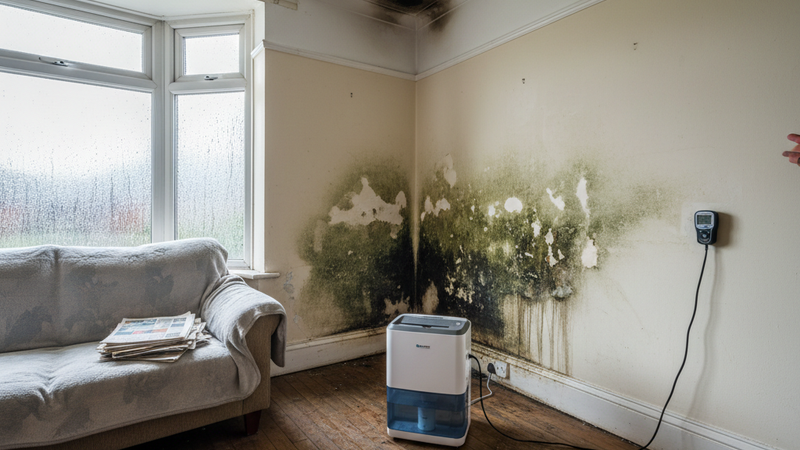
Dampness in a home is more than just an aesthetic issue; it can signify underlying problems that impact property integrity and occupant health. For many homeowners and tenants across the UK, a 'damp house' is a common and distressing concern, often presenting as condensation, mould growth, or musty odours. Understanding the root causes is the first step towards effective remediation and maintaining a healthy living environment.
Understanding the Causes of Dampness in UK Homes
Dampness typically falls into three main categories: condensation, rising damp, and penetrating damp. Each has distinct causes and requires specific solutions, making accurate diagnosis crucial.
Condensation Damp
Condensation is the most common form of dampness in UK homes, particularly during colder months. It occurs when warm, moist air comes into contact with colder surfaces like windows, external walls, or neglected corners. Everyday activities such as cooking, showering, drying clothes indoors, and even breathing contribute significantly to indoor moisture levels.
- Poor Ventilation: Inadequate airflow prevents moist air from escaping, trapping it within the property. This is exacerbated by modern homes being more airtight for energy efficiency.
- Insufficient Heating: Cold surfaces provide prime locations for condensation. Intermittent heating or keeping rooms consistently cold can worsen the problem.
- High Humidity: Excessive moisture generation indoors without proper extraction leads to high relative humidity, increasing the likelihood of condensation forming.
Rising Damp
Rising damp is less common than condensation but can be more structurally damaging. It occurs when groundwater travels up through porous building materials, such as bricks and mortar, by capillary action. This typically happens when a property's damp-proof course (DPC) is either faulty, bridged, or entirely absent.
- Defective Damp-Proof Course (DPC): An old or damaged DPC fails to prevent moisture from rising from the ground.
- Bridged DPC: External ground levels or debris piled against the wall can bridge the DPC, allowing moisture to bypass it. Internal plaster or solid floors extending below the DPC can also cause bridging.
- No DPC: Very old properties, especially those built before 1875, may not have an original DPC, making them highly susceptible to rising damp.
Penetrating Damp
Penetrating damp, also known as lateral damp, occurs when water ingress from outside the building penetrates directly through walls, roofs, or floors. It's often caused by structural defects that allow rainwater to enter the property.
- Structural Defects: Cracked rendering, faulty guttering, damaged downpipes, leaky roofs, defective window frames, or porous brickwork can all allow water to enter.
- Plumbing Leaks: Leaking pipes, whether internal or external, can saturate walls and floors, leading to significant damp patches.
- Blocked Drains: Overflowing drains can cause water to pool against external walls, eventually penetrating the structure.
Health and Safety Concerns of Damp and Mould
Beyond property damage, prolonged dampness and mould growth pose significant risks to human health, particularly for vulnerable individuals. The UK government and health authorities regularly highlight these dangers.
Respiratory and Allergic Reactions
Mould spores, volatile organic compounds (VOCs), and microbial fragments released by dampness can irritate the respiratory system and trigger allergic reactions. This is a well-documented concern by the NHS.
- Asthma and Respiratory Issues: Exposure to mould can worsen asthma symptoms, cause coughing, wheezing, and shortness of breath. It can also contribute to the development of new respiratory conditions.
- Allergies and Sensitivities: Symptoms include sneezing, runny nose, red eyes, and skin rashes. Individuals with existing allergies are particularly susceptible.
- Chronic Health Problems: Long-term exposure to damp and mould has been linked to more severe health effects, including infections in immunocompromised individuals.
Impact on Vulnerable Groups
Certain populations are more vulnerable to the adverse health effects of damp and mould, as highlighted by bodies like the Health and Safety Executive (HSE) and the UK Health Security Agency (UKHSA).
- Children and Infants: Their developing immune systems and smaller airways make them highly susceptible to respiratory illnesses caused by mould.
- Elderly Individuals: Often have weaker immune systems or pre-existing respiratory conditions, making them more vulnerable.
- Immunocompromised Individuals: Those with weakened immune systems due to illness or medication are at a higher risk of serious mould-related infections.
Important point
The tragedy of Awaab Ishak highlighted the severe and fatal health risks of prolonged exposure to damp and mould, leading to significant changes in UK housing law. Read more about Awaab's Law.
UK Regulations and Standards for Damp and Mould
In the UK, property owners and landlords have legal responsibilities to address damp and mould issues to ensure safe and healthy living conditions. Several key regulations and guidelines govern these responsibilities.
Housing Health and Safety Rating System (HHSRS)
The HHSRS, used by local authorities, assesses 29 housing hazards, including damp and mould growth. It provides a risk-based approach to evaluating potential harm to occupants.
- Category 1 Hazards: Damp and mould, if severe enough, can be classified as a Category 1 hazard, requiring landlords to take immediate action to mitigate the risk.
- Local Authority Powers: If a Category 1 hazard is identified, local authorities can issue enforcement notices, requiring landlords to undertake necessary repairs.
IICRC S520 Standard and Guidelines
While not a UK specific legal standard, the IICRC S520 Standard for Professional Mould Remediation is an internationally recognised guideline widely adopted by professional remediation companies in the UK. It outlines best practices for safe and effective mould removal.
- Assessment and Containment: Emphasises thorough inspection, proper containment to prevent cross-contamination, and safety protocols for technicians and occupants.
- Remediation Techniques: Details appropriate cleaning, removal, and drying methods for different levels of mould contamination.
- Post-Remediation Verification: Requires verification that mould has been successfully removed and the underlying moisture problem resolved.
Landlord and Tenant Responsibilities
Under the Landlord and Tenant Act 1985 and the Homes (Fitness for Human Habitation) Act 2018, landlords are legally obliged to ensure properties are fit for human habitation, which includes being free from serious damp and mould.
- Landlord's Duty: Generally responsible for structural repairs, issues with external elements (roof, walls, windows), and ensuring a functioning heating system.
- Tenant's Duty: Responsible for maintaining good ventilation, reporting issues promptly, and preventing condensation through daily activities.
Professional Remediation Process for Damp and Mould
When dampness has led to significant mould growth, professional intervention is often necessary. A structured approach, adhering to industry standards like IICRC S520, ensures thorough and safe remediation.
Initial Assessment and Diagnosis
The first critical step is to accurately identify the source and extent of the dampness and mould. This involves a detailed inspection by qualified professionals.
- Moisture Mapping: Using specialised equipment like thermal cameras and moisture meters to pinpoint moisture sources and affected areas, even behind surfaces.
- Mould Sampling: In some cases, air or surface samples may be taken and sent to a lab to identify mould species and determine airborne spore counts.
- Root Cause Analysis: Identifying whether the damp is due to condensation, rising damp, penetrating damp, or a combination, to address the underlying issue.
Containment and Air Filtration
To prevent cross-contamination and protect occupants during the remediation process, strict containment measures are implemented.
- Physical Barriers: Setting up polyethylene sheeting and negative air pressure to isolate affected areas and prevent mould spores from spreading.
- HEPA Filtration: Using High-Efficiency Particulate Air (HEPA) air scrubbers and vacuums to capture airborne mould spores and other contaminants.
Mould Removal and Drying
The actual removal of mould involves specialised techniques and equipment, followed by thorough drying to prevent recurrence.
- Source Removal: Physically removing mould-affected materials (e.g., plasterboard, insulation, carpets) that cannot be salvaged.
- Cleaning and Disinfection: Cleaning non-porous surfaces with antimicrobial agents and HEPA vacuuming to remove residual spores.
- Structural Drying: Employing industrial dehumidifiers and air movers to thoroughly dry out the building structure, typically monitored with moisture meters.
Prevention and Maintenance Strategies
Proactive measures are key to preventing damp and mould, ensuring a healthy and comfortable home environment in the long term.
Improving Ventilation and Air Circulation
Good ventilation is fundamental to controlling condensation and reducing indoor humidity levels.
- Regular Airing: Open windows for 5-10 minutes daily, especially after activities that generate moisture (showering, cooking).
- Extractor Fans: Ensure all bathrooms and kitchens have functioning extractor fans, and use them consistently. Consider continuous mechanical ventilation (e.g., PIV units) for whole-house solutions.
- Avoid Overfilling Wardrobes: Allow air to circulate around clothes and furniture, especially against external walls, to prevent cold spots.
Controlling Moisture Generation
Minimising the amount of moisture released into the air helps prevent condensation and reduces the overall risk of damp.
- Drying Clothes: Whenever possible, dry clothes outdoors or in a tumble dryer vented to the outside. If drying indoors, use a dehumidifier in a well-ventilated room.
- Cooking Habits: Use pan lids and extractor fans while cooking to contain steam.
- Dehumidifiers: Use a domestic dehumidifier in damp rooms to actively remove excess moisture from the air.
Maintaining Property Structure and Drainage
Regular property maintenance is crucial for preventing penetrating and rising damp issues.
- Guttering and Downpipes: Regularly clear leaves and debris to ensure free flow of rainwater. Repair any leaks promptly.
- Roof and Walls: Periodically inspect the roof for missing or broken tiles and check external walls for cracks in render or pointing that could allow water ingress.
- Ground Levels: Ensure external ground levels are at least 150mm (six inches) below the damp-proof course to prevent bridging.
When to Call Professional Damp and Mould Specialists
While minor condensation issues can often be managed by homeowners, certain situations necessitate professional expertise to ensure effective and lasting solutions.
Persistent or Extensive Dampness
If damp patches reappear after cleaning, cover large areas, or are accompanied by a strong musty odour, it's a sign that the problem is beyond simple DIY fixes.
- Large Mould Growth: Any mould growth larger than 1 square meter (approximately 10 square feet), or mould in multiple rooms, typically requires professional intervention.
- Unexplained Damp Patches: If you cannot identify the source of a damp patch, it's best to have a specialist investigate. This could indicate hidden leaks or structural issues.
- Reoccurring Issues: If you've cleaned mould or addressed dampness yourself, only for it to return, a professional assessment is needed to identify and rectify the underlying cause.
Suspected Structural Issues or Rising Damp
Problems like rising damp, penetrating damp from structural defects, or suspected leaks behind walls require specialist diagnostic tools and remediation techniques.
- Evidence of Rising Damp: Tide marks on walls, crumbling plaster, and salt efflorescence are strong indicators that require a damp specialist.
- Water Ingress: If you suspect water is entering your property from outside due to roof damage, faulty brickwork, or plumbing leaks, these structural issues need professional repair.
- Unknown Leaks: Leaks from internal pipes can cause significant damage and often require leak detection specialists.
Health Concerns and Post-Remediation Verification
If occupants are experiencing health issues potentially linked to damp or mould, or if you need assurance after remediation, professionals can provide peace of mind.
- Health Symptoms: If anyone in the household is experiencing respiratory issues, allergies, or other health problems that worsen at home, professional assessment of indoor air quality and mould levels is advisable.
- Post-Remediation Clearance: After professional mould remediation, independent testing can be performed to confirm that mould levels have returned to normal and the property is safe for re-occupancy. This is often recommended by UK universities involved in indoor air quality research, such as the University of York's biology department, which conducts environmental microbiology studies.
What to expect from a professional
A reputable professional will conduct a thorough inspection, provide a detailed report on the cause and extent of the damp, outline a clear remediation plan, and offer a transparent breakdown of mould removal cost. Always choose certified and experienced specialists adhering to IICRC S520 guidelines.
Addressing dampness and mould in your UK home is crucial for both property preservation and occupant health. By understanding the different types of damp, the associated risks, and when to seek professional help, you can ensure your living environment remains safe, dry, and healthy. For more helpful advice and solutions, explore our blog.