Causes, damp and condensation
Mould grows where there is moisture. In most UK homes that comes from condensation, but it can also come from leaks, penetrating damp or rising damp. Working out which one you have decides what will fix it, so start here if mould keeps coming back after cleaning.
Start with these
A damp house is usually down to condensation, water getting in from outside, moisture rising from the ground, or a leak, and often more than one. This guide explains each cause, how to spot it, and who is responsible for fixing it, based on UK government and Citizens Advice guidance.
Can condensation cause damp? How to tell condensation from other damp
Yes. Condensation is the most common form of damp in UK homes. This guide explains how it causes damp and mould, and gives a checklist for telling condensation apart from penetrating damp, rising damp and leaks.

Flats often suffer condensation because moisture from daily life has little space or ventilation to escape, and drying washing outdoors may not be an option. This guide covers the causes, practical fixes, and who is responsible for what in rented and leasehold flats.
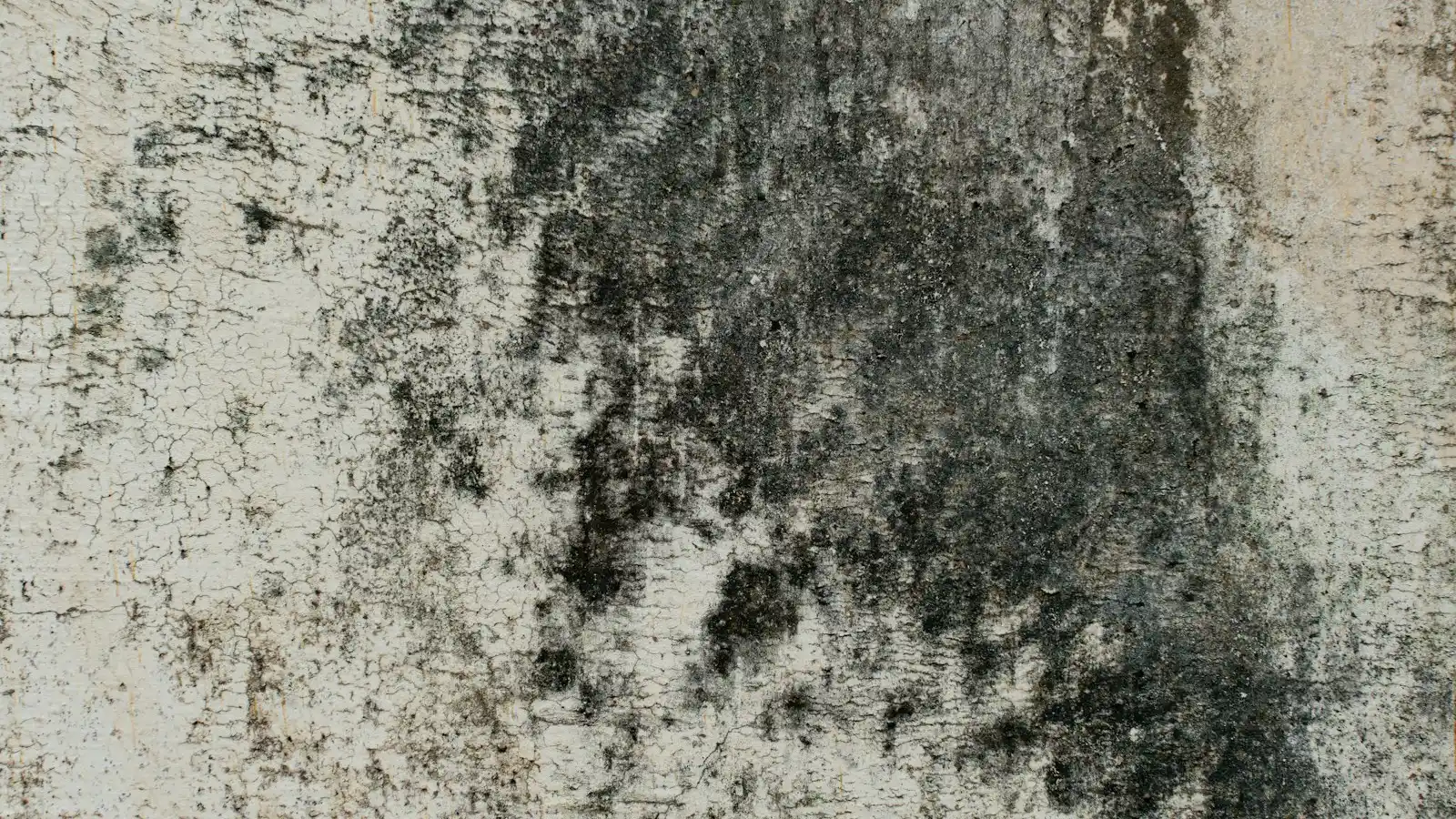
Black mould on walls is caused by moisture, most often condensation on cold external walls, and sometimes by leaks, penetrating damp or rising damp. This guide explains the causes, what the colour does and does not tell you, and what to do, based on UK government guidance.
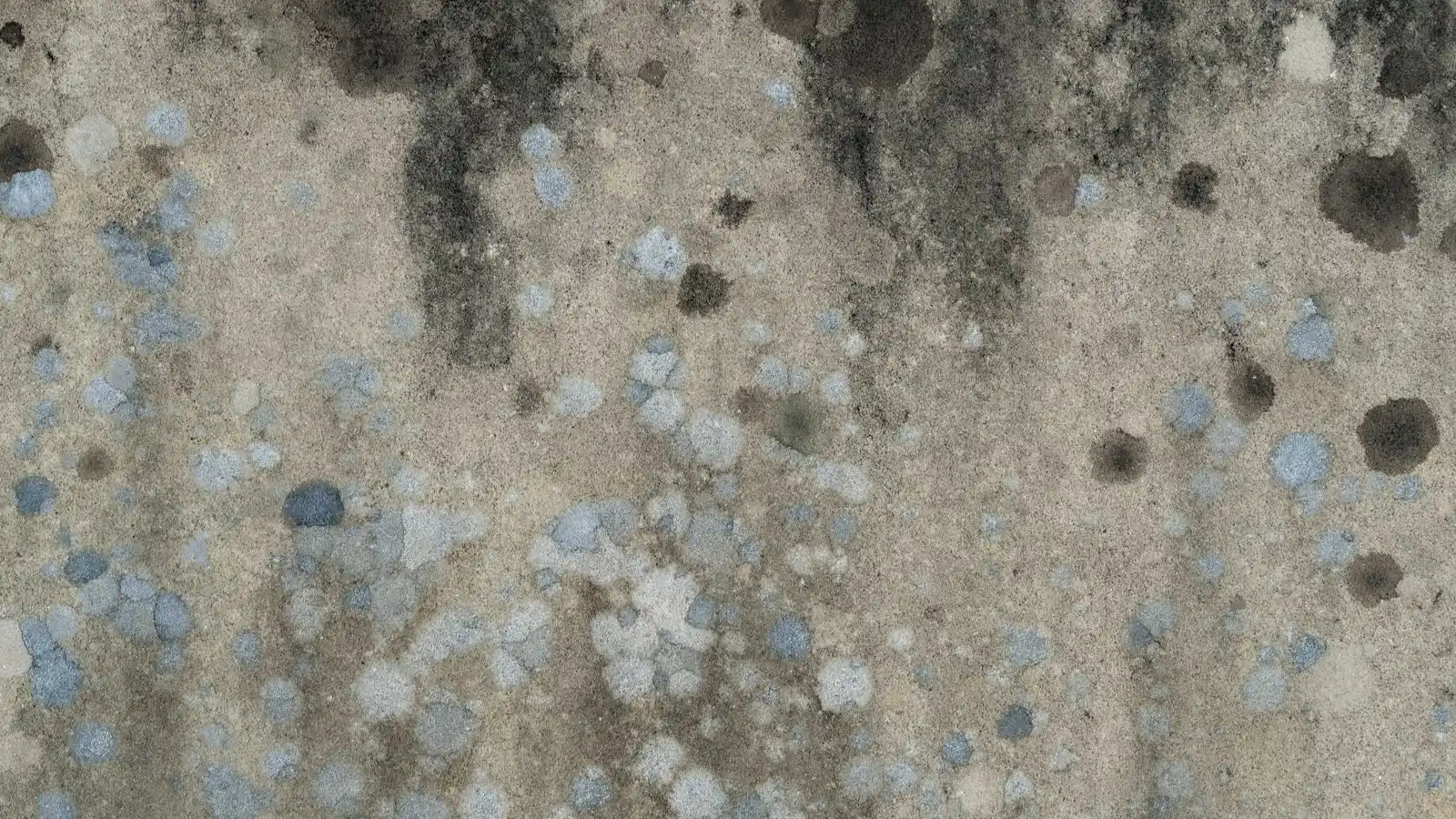
Mould on cold walls is condensation mould, growing where an external wall, corner or cold bridge stays below the temperature of the room air. This guide explains the causes and the fixes, from heating and ventilation to insulation, based on UK government, NHS and Shelter guidance.
How fast does mould grow?
Mould can start growing within a day or two on a surface that stays wet, but visible patches usually take longer, and what matters most is how long the dampness lasts. This guide explains the timescales, what speeds growth up, and how quickly to act.
Every guide on this topic
Condensation and damp
- Can condensation cause damp? How to tell condensation from other damp
Yes. Condensation is the most common form of damp in UK homes. This guide explains how it causes damp and mould, and gives a checklist for telling condensation apart from penetrating damp, rising damp and leaks.
- Condensation in flats: causes, fixes and who is responsible
Flats often suffer condensation because moisture from daily life has little space or ventilation to escape, and drying washing outdoors may not be an option. This guide covers the causes, practical fixes, and who is responsible for what in rented and leasehold flats.
- Damp in a bedroom: causes and what to do
A damp bedroom is usually condensation, but penetrating damp, leaks and, in ground floor rooms, rising damp are possible too. This guide explains the signs of each and what fixes them, based on UK government, NHS and Citizens Advice guidance.
- Mould on cold walls: why it happens and how to fix it
Mould on cold walls is condensation mould, growing where an external wall, corner or cold bridge stays below the temperature of the room air. This guide explains the causes and the fixes, from heating and ventilation to insulation, based on UK government, NHS and Shelter guidance.
- Why is my house so damp? The main causes explained
A damp house is usually down to condensation, water getting in from outside, moisture rising from the ground, or a leak, and often more than one. This guide explains each cause, how to spot it, and who is responsible for fixing it, based on UK government and Citizens Advice guidance.
- Why is there mould in my new-build house?
Mould in a new-build home usually comes from building materials drying out, airtight construction with ventilation that is switched off or not working, cold spots from insulation gaps, or defects. This guide explains the causes, what to do, and how the two-year builder warranty period works.
Where mould appears
- Can you cover or paint over mould?
Painting, wallpapering or boxing over mould hides it for a while but does not stop it, and the mould usually comes back through or behind the new surface. This guide explains why, what to do instead, and where hidden mould tends to lurk.
- Mould behind your bed: why it happens and what to do
Mould behind a bed usually means condensation on a cold external wall where air cannot circulate. This guide explains why it forms, how to clean the wall and deal with the bed and mattress, and how to stop it coming back.
- What causes black mould on walls?
Black mould on walls is caused by moisture, most often condensation on cold external walls, and sometimes by leaks, penetrating damp or rising damp. This guide explains the causes, what the colour does and does not tell you, and what to do, based on UK government guidance.
- What causes green mould?
Green mould grows for the same reason as any other mould: a surface that stays damp. This guide explains where green mould appears in homes, what causes it, what the colour does and does not tell you, and how to deal with it.
- What causes mould in bathrooms?
Bathroom mould comes mainly from shower and bath steam that is not extracted quickly enough, along with leaks from failed seals and pipes. This guide explains the causes and the fixes, including extractor fan standards, based on UK government guidance.
- What causes mould on a bedroom ceiling?
Bedroom ceilings grow mould mainly because of moisture from breathing overnight in a closed room meeting a ceiling made cold by missing loft insulation or an external corner, and sometimes because of a roof or plumbing leak. This guide explains the causes and the fixes.
- What causes mould on ceilings?
Ceiling mould usually comes from condensation on a cold ceiling or from water getting in from a roof, a pipe or the flat above. This guide explains how to tell the causes apart and what each one needs, based on UK government and Citizens Advice guidance.
- Where does mould grow in a home? Common and hidden places to check
Mould grows wherever surfaces stay damp, which includes plenty of places you cannot see. This guide lists the common spots and the hidden ones, explains the signs of hidden mould, and how to check safely, based on UK government guidance.
How mould grows
- How fast does mould grow?
Mould can start growing within a day or two on a surface that stays wet, but visible patches usually take longer, and what matters most is how long the dampness lasts. This guide explains the timescales, what speeds growth up, and how quickly to act.
- Mould in water: shower heads, taps, cisterns and appliances
Black, pink or orange slime around taps, shower heads, toilet cisterns and washing machine seals is usually a biofilm of mould and bacteria. This guide explains what the Drinking Water Inspectorate says about it, how to clean it, and when discoloured water needs reporting.
- What is mould, and why does it grow indoors?
Mould is a fungus that grows on damp surfaces. This guide explains what it needs to grow, why it appears in homes, what its colour does and does not tell you, how it affects health according to UK government guidance, and what the law says about it in rented homes.
Other topics
- Tenants, landlords and the lawWhat Awaab's Law means for renters, landlords and housing staff, and who is trained to deal with damp and mould.
- Mould and your healthWhat mould exposure can do to your body, who is most at risk, and when to worry.
- Removing mouldHow to clean and treat mould, grouped by room, surface and material.
- Preventing mouldHow to stop mould forming or coming back, from ventilation to sprays and proofing.
- Costs, tests and professionalsWhat mould removal costs, how mould is tested and inspected, and when to call a specialist.
- Types of mould and how to spot themMould types, colours and pictures, plus plain answers on mould and mold spelling and meaning.