Prevent Condensation & Mould: UK Guide & Expert Tips
Learn how to effectively prevent condensation and mould in your UK home. This comprehensive guide covers causes, health risks, and actionable prevention strategies.
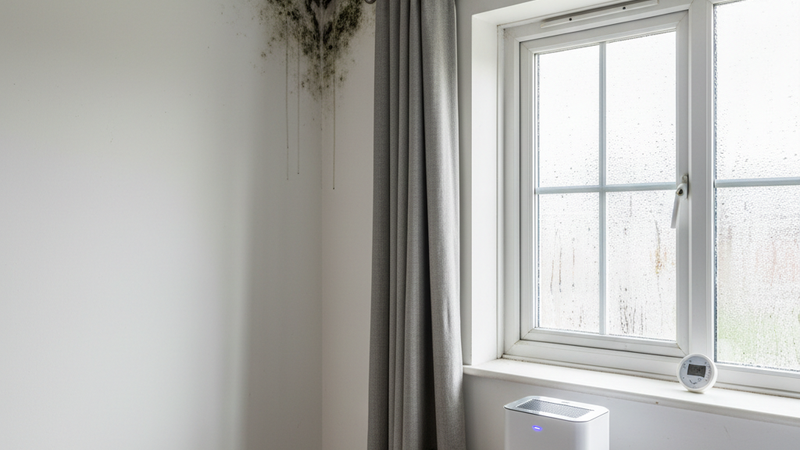
Condensation is a common issue in many UK homes, often leading to the growth of unsightly and unhealthy mould. Understanding the causes and implementing effective prevention strategies is crucial for maintaining a healthy indoor environment and protecting your property. This article will provide a comprehensive guide to preventing condensation and mould, adhering to professional standards and offering practical advice for homeowners and tenants across the UK.
Understanding Condensation and Mould Growth
Condensation occurs when warm, moist air comes into contact with colder surfaces, causing the water vapour in the air to turn into liquid water. This excess moisture creates ideal conditions for mould spores, which are naturally present in the air, to settle and proliferate on surfaces.
The Science Behind Condensation
Air always contains some level of water vapour. The amount of water vapour air can hold is directly related to its temperature – warmer air can hold more moisture than colder air. When this warm, moisture-laden air cools rapidly, usually by touching a cold window or wall, it reaches its dew point. At this point, the air can no longer hold all its moisture, and the excess condenses into liquid water droplets. Common sources of indoor moisture include cooking, showering, drying clothes indoors, and even breathing.
How Mould Thrives on Moisture
Mould spores are ubiquitous, meaning they are found almost everywhere, both indoors and outdoors. They require three primary elements to grow: a food source (which can be almost any organic material like plasterboard, wood, fabric, or dust), suitable temperatures (typically room temperature), and, most importantly, moisture. Without moisture, mould cannot germinate and spread. Condensation provides this critical moisture, allowing mould to rapidly colonise surfaces, often appearing as black, green, or white fuzzy patches.
Important point
Addressing condensation is paramount because it removes the essential moisture mould needs to survive. Without tackling the root cause, mould will almost certainly return.
Health and Safety Concerns of Mould
Beyond its unsightly appearance, mould growth poses significant health risks, particularly for vulnerable individuals. The spores, fragments, and volatile organic compounds (VOCs) released by mould can be inhaled, leading to various respiratory and allergic reactions.
Common Health Impacts
Exposure to mould can cause a range of health problems. The UKHSA guidance on damp and mould highlights symptoms such as:
- Respiratory problems, including coughing, wheezing, and shortness of breath
- Allergic reactions like sneezing, runny nose, red eyes, and skin rash
- Asthma attacks in individuals with asthma
- Headaches and fatigue
- Irritation to eyes, skin, nose, throat, and lungs
Children, the elderly, and individuals with pre-existing respiratory conditions or weakened immune systems are particularly susceptible to these health issues.
Toxic Mould and Mycotoxins
While often sensationalised, certain types of mould, such as Stachybotrys chartarum (often referred to as 'black mould'), can produce mycotoxins. These are toxic compounds that, under certain circumstances and at high concentrations, can pose more severe health threats. The Health and Safety Executive (HSE) provides guidance on managing mould in workplaces, which also applies to residential settings, emphasising the importance of prompt and safe removal.
UK Regulations and Industry Standards for Mould
In the UK, a framework of regulations and guidelines exists to ensure that properties are safe and habitable, free from excessive dampness and mould. These standards are crucial for both landlords and tenants.
Housing Health and Safety Rating System (HHSRS)
The Housing Health and Safety Rating System (HHSRS) is a risk-assessment tool used by local authorities to assess potential hazards in residential properties. Damp and mould growth is categorised as a serious hazard under HHSRS. If a property is found to have significant damp and mould, local authorities can compel landlords to carry out remedial works. This is particularly relevant given recent legislative changes, such as Awaab's Law, which aims to strengthen tenants' rights and landlords' responsibilities concerning hazardous conditions like mould.
IICRC S520 and Professional Remediation
While HHSRS provides the legal framework, the Institute of Inspection, Cleaning and Restoration Certification (IICRC) S520 Standard for Professional Mould Remediation provides the technical guidelines for safe and effective mould removal. This globally recognised standard dictates:
- The importance of containment to prevent cross-contamination.
- Proper use of Personal Protective Equipment (PPE).
- Thorough removal of contaminated materials.
- Drying and dehumidification protocols.
- Post-remediation verification.
Adhering to IICRC S520 ensures that mould is not just treated superficially but properly remediated, minimising health risks and preventing recurrence. As UK mould remediation specialists, we strictly follow these guidelines in all our projects.
Effective Prevention and Maintenance Strategies
Preventing condensation and mould is primarily about managing moisture levels and ensuring adequate ventilation within your home. These proactive steps are often simple but highly effective.
Ventilation and Airflow
Good ventilation is key to dispersing moisture-laden air. Here's how to improve it:
- Open windows: Even for a short period daily, especially after showering, cooking, or drying clothes. Cross-ventilation (opening windows on opposite sides of the house) is particularly effective.
- Use extractor fans: Always use extractor fans in bathrooms and kitchens when generating steam, and leave them running for at least 15-20 minutes afterwards. Ensure they are clean and in good working order.
- Don't block air bricks/vents: Ensure any existing air bricks or trickle vents are clear and unobstructed to allow continuous background ventilation.
- Consider PIV systems: Positive Input Ventilation (PIV) systems introduce fresh, filtered air into a property, gently pressurising it and displacing stale, moist air, making them highly effective for whole-house condensation control.
Managing Indoor Moisture Sources
Reducing the amount of moisture produced indoors is a fundamental prevention step:
- Drying clothes: Avoid drying clothes on radiators indoors. If unavoidable, ensure the room is well-ventilated, and ideally, use a dehumidifier. Vented tumble dryers should always be ducted to the outside; condenser and heat pump dryers do not need venting but their water tanks should be emptied regularly.
- Cooking: Use lids on pans to reduce steam, and always use an extractor fan or open a window.
- Showering/Bathing: Keep bathroom doors closed while showering and use the extractor fan. Wipe down wet surfaces afterwards.
- Houseplants: While beneficial, a large number of houseplants can contribute to indoor humidity. Ensure they are not overwatered and adequate ventilation is present.
Heating and Insulation
Maintaining a consistent and adequate internal temperature helps prevent cold spots where condensation can form:
- Consistent heating: Aim for a background temperature of at least 18-21°C. Avoid turning heating off completely for extended periods, as this allows surfaces to cool excessively.
- Insulation: Proper insulation (walls, loft, floors) and double glazing reduce cold spots, keeping internal surfaces warmer and less prone to condensation. This is a long-term investment that significantly improves thermal comfort and energy efficiency. Government guidance on energy efficiency provides further details.
- Minimise furniture against external walls: Leave a small gap between large furniture items and external walls to allow air to circulate and prevent cold, stagnant air pockets.
When to Call Professional Mould Remediation Specialists
While small patches of surface mould can often be managed by homeowners, there are clear indicators that professional intervention is necessary to ensure effective and safe remediation.
Indicators for Professional Help
You should consider calling a professional mould remediation specialist if:
- Large area of mould: If the mould covers an area larger than 1 square metre (approximately 10 square feet) or if it's spread across multiple rooms.
- Persistent mould: If mould repeatedly returns despite your best efforts to clean and manage it, indicating a deeper underlying issue or hidden mould growth.
- Hidden mould: If you suspect mould is growing behind walls, under flooring, or in other concealed areas due to a persistent musty odour or unexplained health symptoms.
- Health concerns: If anyone in the household is experiencing significant health issues potentially linked to mould exposure.
- Water damage event: Following a flood, burst pipe, or significant leak where water penetration has been extensive and prolonged.
- Structural damage: If mould appears to be impacting the structural integrity of materials, such as crumbling plaster or rotting wood.
The Professional Remediation Process
Professional mould remediation follows a structured process to ensure thorough and safe removal, in line with IICRC S520 standards:
- Assessment and Inspection: Identification of the mould type, extent of contamination, and the underlying moisture source. This may involve moisture mapping and air sampling.
- Containment: Setting up physical barriers (e.g., plastic sheeting, negative air pressure) to prevent mould spores from spreading to uncontaminated areas during remediation.
- Air Filtration: Using HEPA (High-Efficiency Particulate Air) filtration units to scrub airborne mould spores from the environment.
- Mould Removal: Safe removal of contaminated porous materials (e.g., plasterboard, insulation) and thorough cleaning and disinfection of non-porous surfaces.
- Drying and Dehumidification: Ensuring all affected areas are completely dry using professional drying equipment to prevent recurrence.
- Prevention of Recurrence: Addressing the underlying moisture issue that caused the mould, whether it's fixing a leak, improving ventilation, or enhancing insulation.
- Post-Remediation Verification: Often involves post-remediation testing to confirm that mould levels have returned to normal baseline conditions.
Attempting to remove extensive mould without proper equipment and training can spread spores and expose individuals to greater health risks. Our detailed mould removal cost calculator can provide an estimate for professional services.
Further Reading
For academic insights into indoor air quality and mould, explore research from institutions like UCL's Bartlett School of Architecture or University of York's environmental research.
Preventing condensation and mould is an ongoing process that requires vigilance and consistent effort. By understanding the science, implementing effective ventilation and moisture control, and knowing when to seek professional help, you can maintain a healthy, mould-free home. For more insights and advice, explore our blog.