How to Get Rid of Mould for Good in Your UK Home
Discover effective strategies for permanent mould removal in UK homes, understanding causes, health risks, and professional remediation.
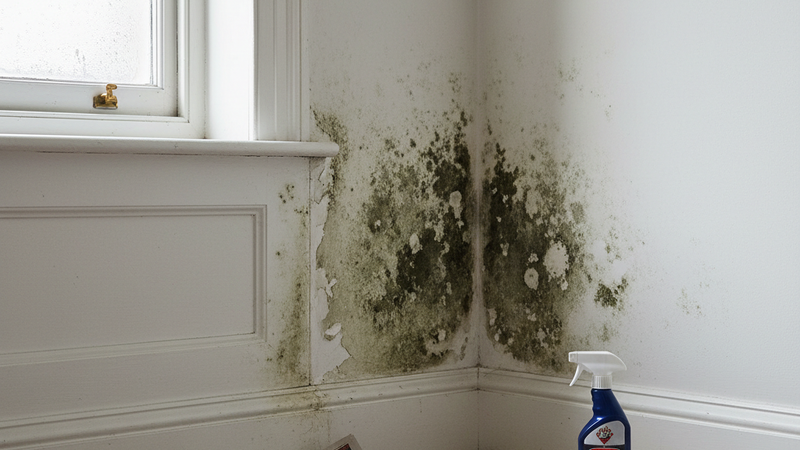
Mould is a common problem in many UK homes, often appearing as unsightly black, green, or white patches on walls, ceilings, and other damp surfaces. Beyond its unpleasant appearance, mould poses significant risks to both your property's integrity and the health of its occupants. This comprehensive guide, based on IICRC S520 guidelines, will explain how to effectively identify, remove, and prevent mould from returning for good.
Understanding Mould and Its Causes
Before tackling mould, it's crucial to understand what it is and why it appears in your home. Moulds are types of fungi that grow in multicellular filaments called hyphae. They reproduce via spores, which are microscopic and airborne, making them easily spread throughout a property.
What is Mould and Where Does It Grow?
Mould thrives in damp, humid conditions and feeds on organic materials found in household dust, fabrics, wood, and even plasterboard. Common areas for mould growth include bathrooms, kitchens, basements, poorly ventilated rooms, and areas with water leaks. They often appear as spots or patches and can range in colour from black and green to white or orange.
Common Causes of Mould in UK Homes
The primary factor contributing to mould growth is excessive moisture. In the UK, this is often due to:
- Condensation: Poor ventilation combined with warm, moist air (from cooking, showering, drying clothes indoors) leads to condensation on cold surfaces.
- Water Leaks: Leaking roofs, pipes, or foundations provide a constant moisture source.
- Rising Damp: Moisture from the ground travels up through porous walls.
- Penetrating Damp: Water seeping through exterior walls due to faulty guttering, cracks, or defective brickwork.
- Flood Damage: Inadequate drying after a flood event.
Health and Safety Concerns Related to Mould
Exposure to mould can have various adverse health effects, particularly for vulnerable individuals. Recognising these risks is essential for understanding the urgency of effective mould remediation.
Potential Health Effects of Mould Exposure
The NHS highlights that mould produces allergens, irritants, and sometimes toxic substances (mycotoxins). Breathing in or touching mould spores may cause:
- Respiratory problems, such as wheezing and shortness of breath.
- Allergic reactions, including sneezing, runny nose, red eyes, and skin rashes.
- Asthma attacks in people with asthma.
- Irritation to the eyes, skin, nose, throat, and lungs.
For more detailed information on health implications, consult the UKHSA guidance on damp and mould.
Safety Precautions During DIY Mould Removal
While small patches of surface mould can sometimes be tackled by homeowners, it's vital to take precautions. The Health and Safety Executive (HSE) advises minimising exposure. Always wear appropriate Personal Protective Equipment (PPE):
- Gloves: Rubber gloves to protect your hands.
- Eye Protection: Goggles to prevent spores from entering your eyes.
- Respiratory Mask: An FFP3 respirator mask to avoid inhaling spores.
- Protective Clothing: Old clothes that can be washed at high temperatures or disposed of.
Important point
Never attempt to dry brush mould as this releases vast amounts of spores into the air, exacerbating the problem and health risks. Avoid mixing different cleaning products, especially bleach with ammonia, as this can create toxic fumes.
UK Regulations and Industry Standards for Mould
In the UK, specific regulations and industry standards govern how mould is addressed, especially in rental properties and by professional remediation specialists.
IICRC S520 Standard for Mould Remediation
The Institute of Inspection, Cleaning and Restoration Certification (IICRC) S520 standard is the definitive guide for professional mould remediation. It outlines best practices for identifying, containing, removing, and preventing mould growth. Adherence to S520 ensures that remediation is carried out safely and effectively, minimising mould re-growth and protecting occupants and workers. This includes:
- Assessment: Identifying the extent and type of mould.
- Containment: Preventing the spread of mould spores during remediation.
- Air Filtration: Using HEPA filters to scrub the air.
- Removal: Safely removing mould-contaminated materials.
- Drying: Addressing the moisture source and drying affected areas.
- Post-Remediation Verification: Ensuring removal is complete and effective.
Housing Health and Safety Rating System (HHSRS) & Awaab's Law
In the UK, the Housing Health and Safety Rating System (HHSRS) assesses potential risks to health and safety in residential properties, with damp and mould considered a significant hazard. Landlords have a legal responsibility to provide safe housing, free from Category 1 hazards like severe damp and mould.
The tragic death of Awaab Ishak brought the severity of this issue into sharp focus, leading to the introduction of Awaab's Law. This legislation, in force in England since 27 October 2025, sets strict deadlines for social landlords to investigate and fix hazards like damp and mould. While primarily for social housing, it sets a precedent for all landlords and highlights the increasing scrutiny on mould in homes. Further guidance is available via GOV.UK.
Professional Mould Remediation Process
For significant mould problems, professional intervention is vital. A qualified mould remediation specialist follows a structured approach to ensure complete and safe removal.
Initial Assessment and Moisture Source Identification
The process begins with a thorough inspection to identify the type and extent of mould growth and, most importantly, pinpoint the moisture source. Using specialist equipment like thermal imaging cameras and moisture meters, technicians can detect hidden dampness within walls, floors, and ceilings. Addressing the moisture source is the absolute first step; without it, mould will inevitably return.
Containment, Removal, and Air Purification
Once the source is managed, the remediation team will:
- Containment: Isolate the contaminated area using barriers (e.g., polythene sheeting, negative air pressure machines) to prevent spores from spreading to unaffected parts of the property.
- Mould Removal: Depending on the severity and material, this may involve HEPA vacuuming, cleaning with antimicrobial solutions, or carefully removing and discarding heavily contaminated porous materials like plasterboard, insulation, or carpets.
- Air Filtration: Continuously run HEPA air scrubbers within the contained area to capture airborne mould spores, dust, and other particulates.
Structural Drying and Post-Remediation Verification
After physical removal, thorough drying of affected structures to appropriate moisture levels is critical. Dehumidifiers and air movers are used to achieve this. Once dry, a post-remediation verification (PRV) is conducted, which may include visual inspection, moisture readings, and air sampling, to confirm that mould has been successfully removed and the environment is safe. This ensures the job is done right, the first time.
Considering Professional Help?
For serious mould issues, seeking professional help is safer and more effective. You can explore our mould removal cost calculator to get an estimate or visit our blog for more insights.
Prevention and Long-Term Maintenance
The key to getting rid of mould for good lies in preventing its recurrence. This involves ongoing vigilance and simple lifestyle adjustments.
Controlling Humidity and Improving Ventilation
- Ventilate Regularly: Open windows for 10-15 minutes daily, especially after showering or cooking. Use extractor fans in bathrooms and kitchens.
- Manage Moisture Sources: Fix leaks immediately. Don't dry clothes indoors directly on radiators without ventilation; consider a dehumidifier or tumble dryer if possible.
- Dehumidifiers: Use electric dehumidifiers in areas prone to dampness (e.g., basements, utility rooms) to maintain indoor humidity levels between 30% and 50%.
Insulation and Property Maintenance
Good insulation helps keep surfaces warmer, reducing condensation:
- Insulate Walls and Lofts: Proper insulation can prevent cold spots where condensation forms.
- Maintain Gutters and Pipes: Regularly check and clear gutters, downpipes, and drainage to prevent water ingress.
- Heating: Keep your home consistently warm, especially in colder months. Avoid drastic temperature fluctuations.
- Furniture Placement: Don't push furniture directly against external walls, as this restricts airflow and creates cold spots.
When to Call Professional Mould Remediation Specialists
While small mould patches can be removed by homeowners, there are clear indicators that professional help is required to ensure long-term eradication and safety.
Indicators for Professional Intervention
You should contact a specialist if:
- Large Area of Growth: Mould covers an area larger than one square metre (approximately 10 square feet) or if it's widespread across multiple rooms.
- Hidden Mould: You smell a musty odour but cannot see visible mould, indicating hidden growth behind walls, under flooring, or in ceiling cavities.
- Health Concerns: Occupants are experiencing persistent or severe health issues attributable to mould exposure.
- Recurrent Mould: Despite your best efforts, mould keeps returning. This often signals an unresolved moisture source or improper initial remediation.
Benefits of Professional Mould Remediation
Engaging professionals ensures:
- Expert Identification: Specialists can correctly identify the mould type and source, even in challenging situations.
- Safe & Thorough Removal: Adherence to IICRC S520 standards ensures mould is removed safely and completely, preventing cross-contamination.
- Moisture Source Resolution: Professionals have the tools and expertise to find and fix underlying moisture problems, providing a lasting solution.
- Reduced Health Risk: Minimises exposure for occupants during the remediation process.
- Guaranteed Results: Reputable firms often offer guarantees on their work, providing peace of mind.
Getting rid of mould for good requires a combination of effective removal and diligent prevention. By addressing the root cause – moisture – and following established remediation and maintenance protocols, you can ensure a healthy, mould-free home environment for years to come. Remember, for significant mould issues, the safest and most effective approach is always to consult a trained and certified mould remediation specialist.