How to Get Rid of Mould Spores: A UK Guide
Comprehensive guide for UK homeowners and businesses on effectively eradicating mould spores, understanding health risks, and preventing recurrence.
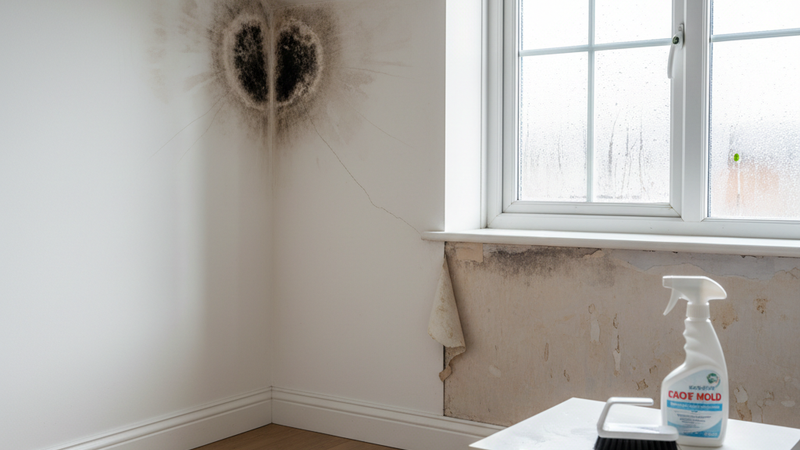
Mould spores are ubiquitous, microscopic organisms that can silently infiltrate our living and working environments. While often unseen, their presence and proliferation can lead to significant health issues and structural damage. This comprehensive guide, tailored for a UK audience, will delve into understanding, identifying, and most importantly, effectively eliminating mould spores from your property, adhering to industry best practices and UK regulations.
Understanding Mould Spores and Their Impact
Before tackling mould, it's crucial to understand what it is and why it poses a problem. Mould is a type of fungus that grows in damp environments, reproducing by releasing tiny spores into the air. These spores are everywhere, but they only become an issue when they find conditions suitable for germination and growth inside a property.
What Are Mould Spores?
Mould spores are the reproductive cells of mould fungi. They are incredibly small, typically ranging from 2 to 100 micrometres, and can be easily inhaled. They act like seeds, floating through the air until they land on a surface where moisture, a food source (like wood, plasterboard, or fabric) and an appropriate temperature allow them to grow into new mould colonies. They are a common component of household dust.
Common Causes of Mould Growth in UK Homes
Mould thrives in damp conditions. In the UK, common causes include:
- Condensation: Poor ventilation combined with high humidity, especially in kitchens and bathrooms.
- Leaking pipes or roofs: Water ingress from damaged plumbing or roofing.
- Rising damp: Moisture ascending from the ground through walls, often due to faulty damp-proof courses.
- Penetrating damp: Water entering through external walls from issues like cracked render or damaged gutters.
- Flooding: Residual moisture after a flood event.
- Poor insulation: Cold surfaces can lead to condensation.
Identifying Mould: Beyond Visible Growth
While visible mould growth is an obvious sign, mould spores can also be present without a clear colony. Indicators include:
- A persistent musty or earthy smell, even if no mould is visible.
- Peeling paint or wallpaper.
- Discoloured walls or ceilings.
- Rotten or warped wood.
- Unexplained respiratory issues in occupants.
Health and Safety Concerns Related to Mould Spores
Exposure to mould spores can trigger a range of health problems, particularly for vulnerable individuals. Understanding these risks is vital for promoting a safe living and working environment, a key concern highlighted by organisations like the NHS and HSE.
Potential Health Risks
The NHS provides guidance on the health impacts of damp and mould. Exposure to mould spores can lead to a variety of symptoms, ranging from mild to severe:
- Allergic reactions: Sneezing, runny nose, red eyes, skin rash.
- Asthma attacks: Mould is a common trigger for asthma sufferers.
- Respiratory issues: Wheezing, shortness of breath, coughing.
- Throat irritation: Sore throat, hoarseness.
- Headaches and fatigue: Non-specific symptoms that can be exacerbated by poor indoor air quality.
- More severe conditions: In rare cases, chronic exposure can lead to serious lung infections or other systemic health problems, especially in immunocompromised individuals.
You can find more detailed information on the NHS website regarding damp and mould implications for health.
Protecting Vulnerable Individuals
Certain groups are more susceptible to the adverse effects of mould exposure:
- Babies and young children
- Elderly people
- Individuals with existing respiratory conditions (e.g., asthma, COPD)
- People with weakened immune systems
- Individuals with allergies
For these individuals, even minor mould growth can pose significant health risks, making prompt and professional remediation paramount.
Important point
Always wear appropriate Personal Protective Equipment (PPE) when dealing with mould, even small patches. This includes an FFP2 or FFP3 respirator mask, gloves, and eye protection to minimise spore inhalation and skin contact.
UK Regulations and Industry Standards for Mould Remediation
Adhering to recognised standards and regulations is critical for effective and safe mould remediation in the UK. This ensures that remediation is carried out safely, thoroughly, and to a high professional standard.
IICRC S520: The Gold Standard
The IICRC S520 Standard for Professional Mould Remediation is the international gold standard for mould removal practices. While not a UK law, it is widely adopted by reputable remediation specialists across the UK. This standard outlines comprehensive procedures for:
- Assessment and containment of affected areas.
- Removal of contaminated materials.
- Cleaning and decontamination techniques.
- Prevention of cross-contamination.
- Post-remediation verification.
Professionals trained in IICRC S520 principles ensure that mould is not just removed, but the underlying moisture issues are addressed, and spores are controlled to prevent recurrence. More information can be found on the IICRC website.
Housing Health and Safety Rating System (HHSRS)
For landlords and housing providers in England and Wales, the Housing Health and Safety Rating System (HHSRS) is a statutory instrument. It assesses 29 potential hazards in homes, with damp and mould growth being a significant one. Local authorities use HHSRS to identify hazards and require landlords to take action to make properties safe and healthy. Poor housing conditions, including severe mould, can lead to enforcement action against landlords, particularly under legislation such as Awaab's Law.
Health and Safety Executive (HSE) Guidance
The Health and Safety Executive (HSE) provides guidance for employers and duty-holders on managing risks from biological agents, including mould. While primarily for occupational settings, their principles of risk assessment and control are valuable for any mould remediation project. They emphasise the importance of identifying the source of moisture and preventing recurrence. Learn more from the HSE website.
The Professional Mould Remediation Process
For significant mould infestations, professional remediation is not just recommended, it's often essential. A structured approach ensures thorough removal and effective containment of mould spores.
Assessment and Containment
The first step is a thorough assessment to identify the extent of the mould growth, the moisture source, and the specific type of mould if necessary. This often involves moisture metres, thermal imaging, and air sampling. Once assessed, the affected area is contained using physical barriers and negative air pressure to prevent further spread of spores to unaffected parts of the property.
Removal and Cleaning
Contaminated porous materials, such as plasterboard, insulation, and carpets, are carefully removed and disposed of following strict waste management protocols. Non-porous surfaces are cleaned using specialised antimicrobial solutions and HEPA vacuuming to capture microscopic spores. Air scrubbers with activated carbon filters are used to purify the air, removing airborne spores and mycotoxins.
Drying and Post-Remediation Verification
Once mould is removed, the area must be thoroughly dried using dehumidifiers and air movers to prevent immediate recurrence. This is a critical step in addressing the root cause. Finally, a post-remediation verification process is conducted. This may involve visual inspection, moisture readings, and air quality sampling to ensure that spore levels have returned to normal baseline levels and the property is safe for re-occupancy. This step ensures adherence to the IICRC S520 guidelines.
Prevention and Maintenance to Control Spores
Preventing mould growth is significantly more cost-effective and less disruptive than remediation. Implementing proactive measures is key to keeping mould spores at bay.
Controlling Moisture and Humidity
The most effective way to prevent mould is to control moisture. This involves:
- Fixing leaks promptly: Repair drips from pipes, roofs, or windows immediately.
- Improving ventilation: Use extractor fans in bathrooms and kitchens, open windows regularly, especially after showering or cooking.
- Managing condensation: Ensure adequate heating and insulation. Avoid drying clothes indoors without proper ventilation or dehumidification.
- Using dehumidifiers: In particularly damp areas or during humid months, a dehumidifier can effectively control indoor humidity levels.
Regular Cleaning and Monitoring
Daily habits can make a big difference:
- Clean regularly: Dust and vacuum frequently using a HEPA-filtered vacuum cleaner to capture dormant spores.
- Inspect damp-prone areas: Regularly check bathrooms, kitchens, basements, and window frames for early signs of mould or dampness.
- Ensure good drainage: Keep gutters and downpipes clear and ensure exterior ground slopes away from the property foundation.
Choosing Mould-Resistant Materials
When renovating or building, consider using mould-resistant materials, especially in areas prone to damp. This includes mould-resistant plasterboard, paints with anti-mould additives, and moisture-resistant insulation. Research by institutions like University of Southampton often explores new materials and methods for mould prevention in buildings.
When to Call Professional Mould Remediation Specialists
While small patches of mould might be manageable with DIY methods, knowing when to call in the experts is crucial for effective and safe remediation.
Indicators for Professional Intervention
You should always contact professional mould remediation specialists if:
- The mould covers an area larger than one square metre (roughly a metre by a metre, or about eight A3 sheets of paper). Large areas indicate a significant moisture problem and widespread spore contamination.
- You, or anyone in the property, experiences health issues related to mould exposure.
- The mould is caused by sewerage or contaminated water. This poses severe health risks and requires specialist hazardous material handling.
- You suspect hidden mould. If you smell mould but cannot see it, it might be behind walls, under flooring, or in ceiling voids, requiring professional investigation.
- You have experienced recent water damage or flooding. Even if seemingly dry, residual moisture can lead to hidden mould growth.
- You are unsure of the mould type or the underlying cause. Proper identification and source resolution are critical for prevention.
Expert Insight
Attempting to remove large mould infestations yourself without proper training or equipment can worsen the problem by releasing millions of spores into the air, spreading contamination and increasing health risks. Professional remediation adheres to IICRC S520, guaranteeing thorough and safe removal.
Benefits of Professional Mould Remediation
Hiring certified professionals ensures:
- Thorough diagnosis: Identification of the root cause of moisture.
- Safe removal: Use of appropriate PPE, containment, and negative air machines to prevent cross-contamination.
- Effective decontamination: Specialised cleaning agents and techniques for various surfaces.
- Structural drying: Ensuring all affected materials are completely dry to prevent recurrence.
- Post-remediation clearance: Verification that the property is safe and mould-free.
- Peace of mind: Knowing the problem has been dealt with comprehensively.
Thinking about the potential financial implications? Use our cost calculator for an estimate.
Choosing a Reputable Specialist
When selecting a mould remediation specialist in the UK, look for companies that:
- Are IICRC certified in mould remediation (e.g., Applied Microbial Remediation Technician - AMRT).
- Have positive reviews and transparent pricing.
- Provide a detailed scope of work and clear communication.
- Are fully insured.
Feel free to explore our blog for more insights into choosing the right mould remediation partner.