Fungal Spore Allergy UK: Guide to Mould & Health
Discover the impact of fungal spore allergy in the UK. Learn about symptoms, health risks, and effective mould remediation strategies for a healthier home.
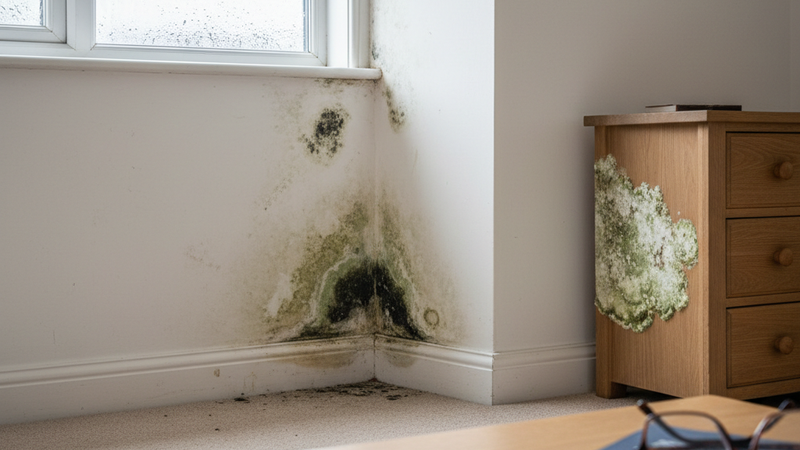
Fungal spores are a pervasive and often unseen threat in many UK homes and workplaces, acting as a common trigger for allergies and respiratory issues. Understanding the nature of fungal spore allergies, their prevalence in the British climate, and how to effectively manage mould growth is crucial for maintaining a healthy indoor environment and protecting your well-being.
Understanding Fungal Spore Allergy in the UK
What are Fungal Spores and Why are They a Problem?
Fungi reproduce by releasing microscopic spores into the air. These spores are ubiquitous in both outdoor and indoor environments. While many are harmless, certain types, particularly those associated with damp and mould growth, can act as allergens. In the UK, changing weather patterns, with increased rainfall and humidity, contribute to ideal conditions for mould proliferation, especially indoors where ventilation may be poor.
When inhaled, these spores can trigger an allergic reaction in sensitive individuals. The body's immune system mistakenly identifies the spores as a threat, releasing histamines and other chemicals that cause common allergy symptoms. This reaction is similar to pollen allergies but can occur year-round if indoor mould is present.
Common Symptoms of Fungal Spore Allergy
Symptoms of a fungal spore allergy can range from mild to severe and often mimic those of other respiratory allergies or colds. Recognising these signs is the first step towards seeking appropriate advice and remediation.
- Respiratory Symptoms: Sneezing, runny or stuffy nose, itchy nose, coughing, wheezing, shortness of breath, chest tightness – particularly for those with asthma.
- Ocular Symptoms: Itchy, watery, or red eyes.
- Dermal Symptoms: Skin rashes, hives, or eczema, especially after direct contact with mould.
- General Malaise: Fatigue, headache, and difficulty concentrating can also be reported by some individuals.
For individuals with pre-existing conditions like asthma or other respiratory sensitivities, exposure to mould spores can exacerbate their symptoms significantly, potentially leading to asthma attacks.
Key Mould Types Causing Allergies in the UK
While thousands of mould species exist, some are more commonly associated with allergic reactions in the UK:
- Cladosporium: Very common, often found on dead plants, soil, and textiles.
- Alternaria: Frequently found outdoors on plants and indoors in damp areas; a significant allergen for asthmatics.
- Aspergillus: Common in dust, food, and building materials; can also cause aspergillosis in immunocompromised individuals.
- Penicillium: Often found on food, wallpaper, and insulation; known for its distinct earthy or musty odour.
Important point
If you suspect you have a fungal spore allergy, consult your GP. They can provide diagnosis and discuss management strategies, including antihistamines or other medications. Identifying and addressing the source of mould in your home is also paramount.
Health & Safety Concerns from Mould Exposure
Beyond Allergies: Other Health Impacts
While allergies are a primary concern, mould exposure can lead to a spectrum of health problems, even in individuals without an allergic predisposition. The NHS provides general guidance on allergies, but specifically regarding mould, other issues include:
- Irritant Effects: Mould can produce volatile organic compounds (MVOCs) that cause irritation to eyes, skin, and the respiratory tract, leading to symptoms like headaches and nausea.
- Infections: In rare cases, primarily in individuals with compromised immune systems (e.g., organ transplant recipients, chemotherapy patients), certain moulds can cause serious infections like aspergillosis.
- Non-allergic Asthma: Mould spores can directly irritate airways, worsening asthma symptoms in non-allergic individuals.
Vulnerable Populations and Increased Risk
Certain groups are more susceptible to the adverse health effects of mould exposure:
- Infants and Young Children: Their developing respiratory systems are more vulnerable.
- Elderly Individuals: Often have weaker immune systems and pre-existing respiratory conditions.
- Individuals with Asthma, Eczema, or other Allergies: At higher risk of exacerbated symptoms.
- Immunocompromised Individuals: As mentioned, highly susceptible to mould infections.
- Those with Chronic Respiratory Illnesses: Such as Chronic Obstructive Pulmonary Disease (COPD).
Workplace Health & Safety Executive (HSE) Guidelines
The Health and Safety Executive (HSE) in the UK provides guidance for employers and building managers regarding mould in the workplace. While primarily focused on occupational settings, the principles apply universally:
- Employers have a duty to assess and control risks from mould.
- They should ensure adequate ventilation and promptly address dampness.
- Workers involved in mould remediation should be adequately trained and use appropriate Personal Protective Equipment (PPE).
UK Regulations and Industry Standards for Mould Remediation
IICRC S520: The Gold Standard for Mould Remediation
While there isn't a single UK statutory instrument solely dedicated to mould remediation, the industry widely adopts the IICRC S520 Standard and Reference Guide for Professional Mould Remediation. This document is global, but its principles are paramount in the UK for professional services.
- It outlines best practices for identifying, containing, removing, and preventing mould growth.
- Emphasises worker safety, proper containment, air filtration, and thorough drying.
- Stresses the importance of addressing the moisture source, not just the visible mould.
Housing Health and Safety Rating System (HHSRS)
Local authorities in the UK use the Housing Health and Safety Rating System (HHSRS) to assess hazardous conditions in residential properties. Damp and mould growth are classified as a Category 1 hazard if severe enough, obliging landlords to take action.
The HHSRS is a crucial legal framework that can compel property owners to address significant mould problems, ensuring safer living conditions for tenants.
Awaab's Law
The tragic death of Awaab Ishak due to prolonged exposure to mould has spurred the development of Awaab's Law. In force since 27 October 2025, it sets strict timelines for social landlords in England to investigate and fix hazards like damp and mould, and the Renters' Rights Act 2025 provides for extending it to private renting. While primarily for social housing, its principles are expected to raise standards across all housing sectors and highlight the importance of prompt mould remediation.
Professional Mould Remediation Process
Assessment and Containment
The first step for professional mould remediation is a thorough assessment to identify the extent of mould growth and, critically, the source of moisture. This may involve moisture meters, thermal imaging, and air sampling. Once assessed, containment measures are put in place to prevent the spread of spores during remediation.
- Isolation: Sealing off affected areas with plastic sheeting.
- Negative Air Pressure: Using specialised equipment to create negative pressure, ensuring airflow is into the contained area, not out.
- Air Filtration: Employing High Efficiency Particulate Air (HEPA) filters to capture airborne mould spores.
Mould Removal and Drying
Physical mould removal is the next critical phase, always performed under controlled conditions. This is not just 'cleaning' but a systematic process to eliminate mould and mould-contaminated materials.
- Source Elimination: Repairing leaks, improving ventilation, or implementing other measures to stop the moisture source.
- Material Removal: Non-porous materials can often be cleaned, but porous materials (e.g., drywall, insulation, carpets) that are heavily contaminated are typically removed and safely disposed of.
- Cleaning & Disinfection: Affected surfaces are thoroughly cleaned and disinfected using industry-approved biocides, followed by a post-remediation cleaning.
- Drying: Professional-grade dehumidifiers and air movers are used to thoroughly dry the affected areas to prevent recurrence.
Post-Remediation Verification and Prevention
After physical removal and drying, a final inspection and verification are crucial. This may involve further air sampling or surface testing to ensure mould levels have returned to normal, acceptable levels.
Preventative measures are then advised to the client to avoid future mould growth, ensuring a long-term solution. A professional can also advise on ongoing monitoring and maintenance strategies.
Prevention and Maintenance for a Mould-Free Home
Controlling Humidity and Ventilation
The single most effective way to prevent mould is to control moisture and humidity. Mould cannot grow without water.
- Ventilation: Ensure proper ventilation in kitchens and bathrooms by using extractor fans and opening windows during and after showering/cooking.
- Dehumidifiers: Use dehumidifiers in damp areas like basements or poorly ventilated rooms, especially during colder months.
- Heating: Maintain a consistent, moderate indoor temperature to prevent condensation. Avoid drying clothes indoors on radiators without adequate ventilation.
Promptly Addressing Leaks and Dampness
Any water intrusion, no matter how small, must be addressed immediately.
- Fix Leaks: Repair leaking pipes, roofs, or windows as soon as they are discovered.
- Dry Thoroughly: After any water damage (e.g., spills, leaks), dry the affected areas completely within 24-48 hours to prevent mould growth.
- Inspect Regularly: Routinely check prone areas like under sinks, around showers, and in basements for signs of dampness or mould.
Cleaning and Maintenance Tips
Regular cleaning can help prevent minor mould issues from escalating.
- Clean Surfaces: Regularly clean and dry bathrooms, kitchens, and other damp surfaces.
- Remove Visible Mould: For small areas of surface mould (less than 1 square meter) on non-porous surfaces, you can usually clean it yourself using appropriate PPE and a mild detergent solution.
- Avoid Carpet in Damp Areas: Carpets in bathrooms, basements, or areas prone to dampness can be breeding grounds for mould.
When to Call Professional Mould Remediation Specialists
Recognising When a Problem is Beyond DIY
While small patches of mould might be manageable with DIY cleaning, several indicators suggest it's time to call in the experts. Ignoring these signs can lead to worsening health issues and structural damage.
- Large Areas of Mould: If mould covers more than a square meter (roughly 10 square feet).
- Persistent Mould: If mould keeps returning after cleaning.
- Hidden Mould: If you smell a strong musty odour but cannot see the mould, it's likely hidden behind walls, under flooring, or in ceiling cavities.
- Health Concerns: If occupants are experiencing persistent allergy symptoms, respiratory issues, or other health problems linked to the indoor environment.
- Water Damage: Following significant water damage (e.g., burst pipes, flooding), professional remediation ensures thorough drying and mould prevention.
Benefits of Professional Mould Remediation
Engaging professional remediation specialists offers significant advantages over attempting to tackle severe mould yourself.
- Expertise: Professionals follow IICRC S520 guidelines, ensuring safe and effective mould removal.
- Specialised Equipment: Access to industrial-grade dehumidifiers, HEPA air scrubbers, moisture meters, and specialised cleaning agents.
- Containment: Proper containment prevents cross-contamination and further spread of spores throughout your property.
- Source Identification: Professionals are adept at finding and addressing the root cause of moisture, preventing recurrence.
- Safety: They use appropriate PPE and methods to protect occupants and workers from hazardous mould exposure.
- Guaranteed Results: Reputable firms often provide warranties or guarantees for their work, offering peace of mind.
Understanding fungal spore allergy and acting promptly on signs of mould growth is essential for a healthy home and well-being in the UK. For more insights, explore our blog or use our mould removal cost calculator to estimate potential expenses for professional services.