Prevent Mould Regrowth: Your UK Guide to Lasting Removal
Discover how to stop mould returning in your UK home. This guide covers prevention, professional remediation, and critical health considerations for a mould-free environment.
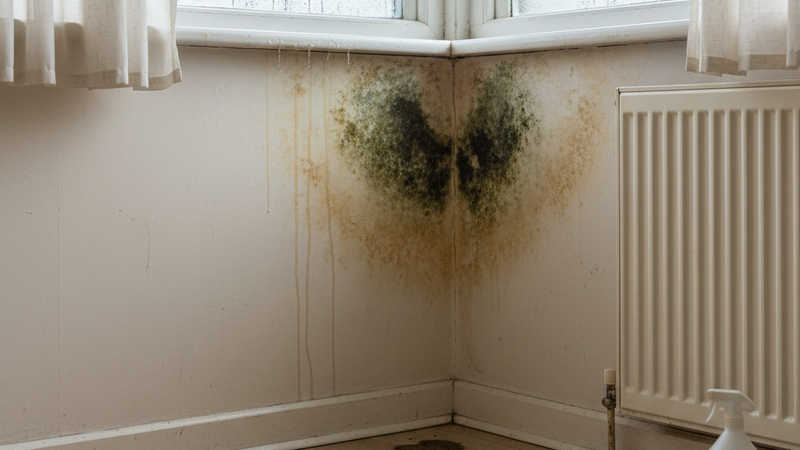
Mould in your home is not just an unsightly problem; it's a persistent issue that can impact your property's integrity and your health. Simply cleaning visible mould often isn't enough, as its root cause must be addressed to prevent its swift reappearance. This comprehensive guide provides UK homeowners and tenants with actionable strategies to effectively stop mould from returning, ensuring a healthier and safer living environment.
Understanding Mould Regrowth and Its Persistence
Mould thrives in damp, humid conditions, and its spores are microscopic, present almost everywhere. When these spores land on a damp surface, they can germinate and grow, forming colonies that spread if left unchecked. Understanding why mould returns is the first step in preventing it.
Why Does Mould Keep Coming Back?
Mould frequently returns because the underlying moisture source has not been adequately identified and rectified. It's not enough to just wipe away the visible growth; the conditions that allowed it to flourish must be eliminated. Common culprits include persistent leaks, condensation, poor ventilation, and inadequate insulation.
Important point
Surface cleaning only removes visible mould. Spores and hyphae embedded in construction materials or hidden behind surfaces will quickly recolonise if moisture remains.
The Critical Role of Moisture in Mould Growth
Mould requires moisture, oxygen, a food source (like organic materials found in homes), and a suitable temperature to grow. Of these, moisture is the easiest to control. Identifying and eliminating moisture sources is paramount to preventing mould regrowth. This could range from fixing a leaky pipe to improving airflow to reduce condensation.
Health and Safety Concerns Related to Mould
Beyond aesthetic issues, mould can pose significant health risks, especially for vulnerable populations. The UK's National Health Service (NHS) and the Health and Safety Executive (HSE) provide clear guidance on the dangers associated with mould exposure.
Potential Health Impacts of Mould Exposure
Exposure to mould spores can trigger various health problems. These include:
- Respiratory issues: Wheezing, coughing, shortness of breath, asthma exacerbation.
- Allergic reactions: Sneezing, runny nose, red eyes, skin rash.
- Irritation: Eye, skin, throat irritation.
- Infections: For individuals with compromised immune systems, mould can lead to more serious infections.
The NHS advises seeking medical advice if you experience health problems you believe are related to mould. You can read more about the health effects of damp and mould on the UKHSA guidance on damp and mould.
Workplace and Tenant Safety Guidelines
In workplaces and rented accommodations, employers and landlords have a legal duty to ensure premises are safe and without risks to health. The HSE offers guidance on managing mould in the workplace, which outlines responsibilities for assessment and control measures. Similarly, landlords must comply with the Housing Health and Safety Rating System (HHSRS) to address mould as a category 1 or 2 hazard.
UK Regulations and Industry Standards for Mould Remediation
Professional mould remediation in the UK adheres to strict guidelines to ensure effectiveness and safety. These standards are crucial for preventing recurrence and protecting occupants.
IICRC S520 and UK Best Practices
The Institute of Inspection, Cleaning and Restoration Certification (IICRC) S520 standard is the globally recognised procedural standard for professional mould remediation. While not a legally binding regulation in the UK, it represents industry best practice that professional remediation specialists follow. This includes detailed steps for containment, removal, cleaning, and verification. Adhering to these standards ensures comprehensive and lasting mould eradication. Learn more about the IICRC guidelines.
Key Principle
The IICRC S520 emphasises that successful mould remediation is about controlling moisture, safely removing contaminated materials, and preventing re-growth, not just killing mould.
Housing Health and Safety Rating System (HHSRS)
For rented properties, the Housing Health and Safety Rating System (HHSRS) is a risk assessment tool used by local councils to identify and address hazards, including damp and mould. Under Awaab's Law, in force for social landlords in England since 27 October 2025, social landlords have legally enforced timeframes to address serious issues like damp and mould, making responsible remediation even more crucial.
Professional Mould Remediation: The Process to Prevent Return
When faced with significant mould growth, professional remediation is often the most effective way to ensure it doesn't return. A professional remediation process is thorough and designed to address the root cause.
Step-by-Step Remediation for UK Properties
- Assessment & Identification: Professionals identify the mould species, the extent of contamination, and crucially, the underlying moisture source using advanced tools like thermal imaging and moisture meters.
- Moisture Source Correction: This is the most critical step. We advise on or undertake repairs to fix leaks, improve ventilation, or upgrade insulation to eliminate the conditions for mould growth.
- Containment: To prevent cross-contamination, affected areas are sealed off using barriers and negative air pressure.
- Air Filtration: High-Efficiency Particulate Air (HEPA) filters are used to capture airborne mould spores.
- Removal of Mould-Contaminated Materials: Non-salvageable porous materials (e.g., plasterboard, insulation, carpets) are safely removed and disposed of.
- Cleaning & Disinfection: Surfaces are thoroughly cleaned with antimicrobial agents and HEPA vacuumed.
- Drying: Professional drying equipment ensures all materials are brought to optimal moisture levels.
- Post-Remediation Verification: We conduct detailed inspections, and if necessary, air testing, to confirm that mould has been successfully removed and the environment is safe.
- Preventative Treatments: Application of anti-mould coatings or fungicidal sprays where appropriate to inhibit future growth.
Why Professional Intervention is Essential for Lasting Results
Attempting extensive mould removal yourself can be hazardous and ineffective. Professionals have the training, equipment, and expertise to:
- Safely identify and contain mould.
- Correctly identify and eliminate hidden moisture sources.
- Remove mould without spreading spores.
- Ensure effective cleaning and disinfection.
- Verify the success of the remediation.
Long-Term Prevention and Maintenance Strategies
Even after professional remediation, ongoing vigilance and proactive measures are vital to stop mould returning to your UK home.
Effective Ventilation and Moisture Control
Controlling moisture is the cornerstone of mould prevention. Implement these strategies:
- Ventilate Regularly: Open windows for 10-15 minutes daily, especially after showering, cooking, or drying laundry indoors.
- Use Extractor Fans: Ensure bathroom and kitchen extractor fans are used during and after activities that generate moisture, and ensure they are vented externally.
- Check for Leaks: Regularly inspect plumbing, roofs, and windows for any signs of leaks or water ingress.
- Maintain Heating: Keep your home at a consistent, moderate temperature to prevent cold spots where condensation can form. Avoid drying clothes directly on radiators.
- Dehumidifiers: Consider using a dehumidifier in particularly humid areas, especially during colder months.
Routine Checks and Early Detection
Be proactive in spotting potential mould growth:
- Inspect Common Areas: Regularly check bathrooms, kitchens, utility rooms, and behind furniture for discolouration or a musty smell.
- Address Condensation Immediately: Wipe down condensed surfaces as soon as they appear.
- Maintain Gutters and Drains: Ensure exterior drainage systems are clear and functioning to direct water away from your property.
- Insulation: Consider improving wall and loft insulation to reduce cold surfaces and prevent condensation. You can find independent advice on home insulation from organisations linked to gov.uk energy advice.
When to Call in the UK Mould Remediation Experts
While small, superficial mould spots can often be managed by homeowners, there are clear indicators when professional intervention is required to ensure complete and lasting removal.
Indicators for Professional Intervention
You should contact a professional mould remediation specialist if:
- The mould covers an area larger than one square metre (roughly a metre by a metre, or about eight A3 sheets of paper).
- You suspect hidden mould growth behind walls, under flooring, or in ceiling voids.
- There's a persistent musty smell but no visible mould.
- The mould reappears quickly after cleaning.
- You or someone in your household experiences mould-related health issues.
- The mould growth is due to sewage or other contaminated water.
- You are a tenant and your landlord has not adequately addressed mould concerns.
Benefits of Choosing a Certified Specialist
Choosing a certified mould remediation specialist ensures that the problem is addressed comprehensively and safely. They will use appropriate personal protective equipment (PPE), follow IICRC S520 guidelines, and have the tools to identify hidden moisture and mould. This offers peace of mind that the issue is resolved correctly, minimising health risks and preventing costly future repairs. You can explore our mould remediation cost calculator for an estimate or visit our blog for more insights.