Causes of Green Mould & UK Remediation Guide
Discover what causes green mould in UK homes and businesses, its health risks, and how professional remediation services can eliminate it safely and effectively.
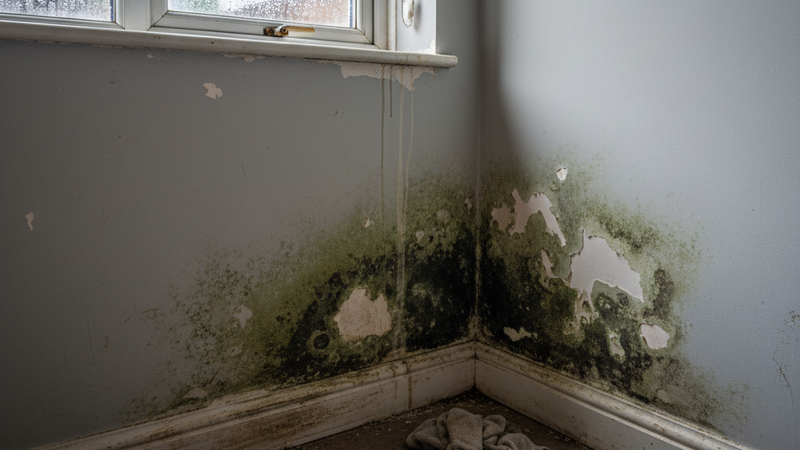
Green mould is a common but unwelcome sight in many UK properties, often indicating underlying moisture problems. While various species can appear green, they all share a preference for damp environments and organic materials to thrive. Understanding the specific conditions that lead to its growth is crucial for effective prevention and remediation, ensuring a healthy indoor environment for occupants.
Understanding Green Mould Growth
Green mould isn't a single type of fungus; rather, it refers to a broad category of mould species that exhibit a greenish hue. Common culprits include species from the Cladosporium, Aspergillus, and Penicillium genera. These moulds are ubiquitous in our environment, with their spores constantly present in the air, both indoors and outdoors. It's only when these spores encounter the right conditions that they germinate and form visible colonies.
The Essential Ingredients for Mould
For green mould to grow, three primary conditions must be met:
- Moisture: This is arguably the most critical factor. Mould needs water to live. Sources can range from obvious leaks to high humidity and condensation.
- Food Source: Mould feeds on organic materials. Common household surfaces like plasterboard, wood, wallpaper, fabric, dust, and even paint provide ample sustenance.
- Favourable Temperature: While mould can grow in a range of temperatures, most species prefer moderate conditions, typically between 20°C and 30°C, which are common indoor temperatures.
Common UK Moisture Sources
Identifying the source of moisture is paramount for lasting mould remediation. In the UK, common culprits include:
- Condensation: Often due to poor ventilation, especially in bathrooms, kitchens, and bedrooms, where warm, moist air meets cold surfaces.
- Leaking Pipes or Roofs: Persistent leaks, even small ones, can saturate building materials over time, creating ideal breeding grounds.
- Rising Damp: Moisture drawn up from the ground into walls, often due to a faulty or absent damp-proof course.
- Penetrating Damp: Water ingress through walls or roofs, often due to cracked rendering, faulty guttering, or damaged roof tiles.
- Flooding: Past or present flood events can leave significant moisture within a property if not dried thoroughly and professionally.
Important point
Even if a water leak has been repaired, the residual moisture in building materials can sustain mould growth for extended periods. Proper drying and verification are essential.
Health and Safety Concerns of Green Mould
Beyond the unsightly appearance, green mould poses significant health risks, particularly for vulnerable groups. Understanding these risks is crucial for prompt action.
Potential Health Impacts
Exposure to mould spores can trigger a range of symptoms, which vary depending on individual sensitivity and the species of mould. The NHS provides guidance on damp and mould, highlighting potential health issues:
- Respiratory Problems: Including asthma attacks, wheezing, coughing, and shortness of breath. People with pre-existing respiratory conditions are particularly susceptible.
- Allergic Reactions: Sneezing, runny nose, red eyes, and skin rashes.
- Mycotoxins: Some moulds can produce mycotoxins, which can have broader systemic effects, though direct evidence of severe mycotoxin-related illness from indoor mould exposure is still being researched.
- Headaches and Fatigue: General malaise often reported by individuals living in mould-affected properties.
Vulnerable Groups and HSE Guidance
Certain individuals are at higher risk from mould exposure. These include:
- Infants and young children
- Elderly individuals
- People with respiratory conditions (e.g., asthma, COPD)
- Those with weakened immune systems
- Individuals with severe allergies
The Health and Safety Executive (HSE) provides guidance for managing risks associated with mould in workplaces and highlights the importance of protecting workers and occupants from mould-related hazards.
UK Regulations and Standards for Mould
In the UK, addressing mould goes beyond just physical removal; it involves adherence to specific standards and regulations designed to protect occupants and ensure properties are safe and healthy.
IICRC S520 and Industry Best Practices
As an expert mould remediation specialist, our practices are firmly rooted in the IICRC S520 Standard for Professional Mould Remediation. This globally recognized standard dictates:
- Comprehensive Assessment: Identifying the source, extent, and type of mould.
- Containment: Preventing the spread of spores during remediation.
- Source Elimination: Addressing the moisture problem that caused the mould.
- Contaminated Material Removal: Safe and thorough removal of mould-affected porous materials.
- Cleaning and Disinfection: Cleaning non-porous surfaces with appropriate biocide.
- Post-Remediation Verification: Ensuring the property is returned to a pre-mould condition.
Housing Health and Safety Rating System (HHSRS)
For rental properties, the Housing Health and Safety Rating System (HHSRS), enforced by local authorities, considers damp and mould growth as a Category 1 hazard if severe enough. This means landlords have a legal obligation to address these issues to ensure the safety and welfare of their tenants. Awaab's Law, in force for social landlords in England since 27 October 2025, further strengthens tenants' rights by requiring action on damp and mould within fixed timescales.
The Professional Mould Remediation Process
Attempting to clean extensive mould yourself without proper knowledge or equipment can often worsen the problem by dispersing spores. Professional remediation follows a structured, scientific approach to ensure complete eradication and prevention of recurrence.
Key Stages of Remediation
- Inspection and Assessment: Our certified technicians conduct a thorough inspection to identify the mould species, the extent of contamination, and crucially, the moisture source. This may involve moisture meters, thermal imaging, and air quality testing.
- Containment: To prevent cross-contamination, affected areas are sealed off using plastic sheeting and negative air pressure, often with HEPA-filtered air scrubbers.
- Moisture Source Repair: The underlying moisture issue (e.g., leak, condensation problem) must be fixed before any remediation begins.
- Removal of Damaged Materials: Porous materials (e.g., plasterboard, insulation, carpet) heavily contaminated with mould are carefully removed and safely disposed of according to regulations.
- Cleaning and Disinfection: Non-porous surfaces are meticulously cleaned using specialized biocides and techniques to eliminate mould roots and spores. HEPA vacuuming is used to remove airborne spores.
- Drying and Dehumidification: Air movers and dehumidifiers are deployed to thoroughly dry all affected areas and bring humidity levels back to normal.
- Post-Remediation Verification: We conduct a final inspection, which may include air quality testing (if initially performed), to ensure mould levels have returned to normal, healthy parameters.
Restoration and Prevention Advice
After remediation, any removed building materials are replaced. We also provide comprehensive advice on preventing future mould growth, tailored to your property's specific conditions.
Prevention and Maintenance Strategies
Proactive measures are always more effective and less costly than reactive remediation. Implementing good habits and maintaining your property can significantly reduce the risk of green mould.
Controlling Moisture and Humidity
- Ventilation: Ensure adequate ventilation, especially in moisture-prone areas like kitchens and bathrooms. Use extractor fans, open windows, and avoid drying clothes indoors without proper ventilation.
- Heating: Maintain a consistent, moderate indoor temperature to prevent cold spots where condensation can form. Ensure adequate insulation.
- Fix Leaks Promptly: Regularly inspect for leaks from pipes, roofs, or windows and repair them immediately.
- Manage Condensation: Wipe down condensed water from windows and cold surfaces. Consider installing trickle vents or dehumidifiers in problem areas.
Good Housekeeping Practices
- Regular Cleaning: Clean and dry bathrooms and kitchens regularly.
- Reduce Indoor Humidity: Use lids on pans when cooking, open windows after showering, and ensure tumble dryers are vented correctly.
- Clear Gutters and Drains: Ensure gutters are clear of debris to prevent water overflow and penetrating damp.
- Check for Damp: Periodically inspect walls, ceilings, and under sinks for signs of dampness or water staining.
Top Tip
Consider investing in a hygrometer to monitor indoor humidity levels. Aim for a relative humidity between 40-60% to deter mould growth.
When to Call Professional Mould Remediation Specialists
While small patches of mould (less than 1 square metre) on non-porous surfaces might be tackled by a homeowner, there are clear instances where professional intervention is not just recommended, but essential.
Indicators for Professional Help
- Extensive Growth: If the mould covers a significant area (more than 1 square metre), or affects multiple areas.
- Hidden Mould: If you suspect mould behind walls, under floorboards, or in HVAC systems due to a persistent musty smell, even if you can't see it.
- Recurrent Mould: If mould keeps returning even after cleaning, indicating an unaddressed moisture source.
- Health Concerns: If occupants are experiencing mould-related health symptoms.
- Complex Moisture Source: If the source of dampness is unclear or involves structural issues like rising damp or severe leaks.
- High-Risk Materials: If mould is on porous materials like plasterboard, insulation, or carpets, which often require removal.
For guidance on potential costs, consider using our mould removal cost calculator as a starting point. Remember, investing in professional remediation protects both your property and your health.
The Value of Certified Expertise
Professional mould remediation specialists, like those certified to IICRC S520 standards, possess the training, equipment, and expertise to:
- Accurately identify mould and its underlying cause.
- Safely contain and remove existing mould without spreading spores.
- Thoroughly dry and dehumidify the affected environment.
- Advise on long-term prevention strategies.
- Provide documentation suitable for insurance claims or property sales.
Don't compromise on your health or the structural integrity of your property. If you're concerned about green mould, seeking expert advice is the safest and most effective course of action. Feel free to explore our blog for more insights into mould prevention and removal.