Preventing mould
Cleaning mould off only lasts if the moisture behind it is dealt with. These guides cover ventilation, heating, drying washing and the products that claim to stop mould coming back.
Start with these

Condensation is the most common form of damp in UK homes. This guide explains why it forms, where mould tends to follow, and the practical steps that reduce it, drawn from government, NHS and Shelter advice.
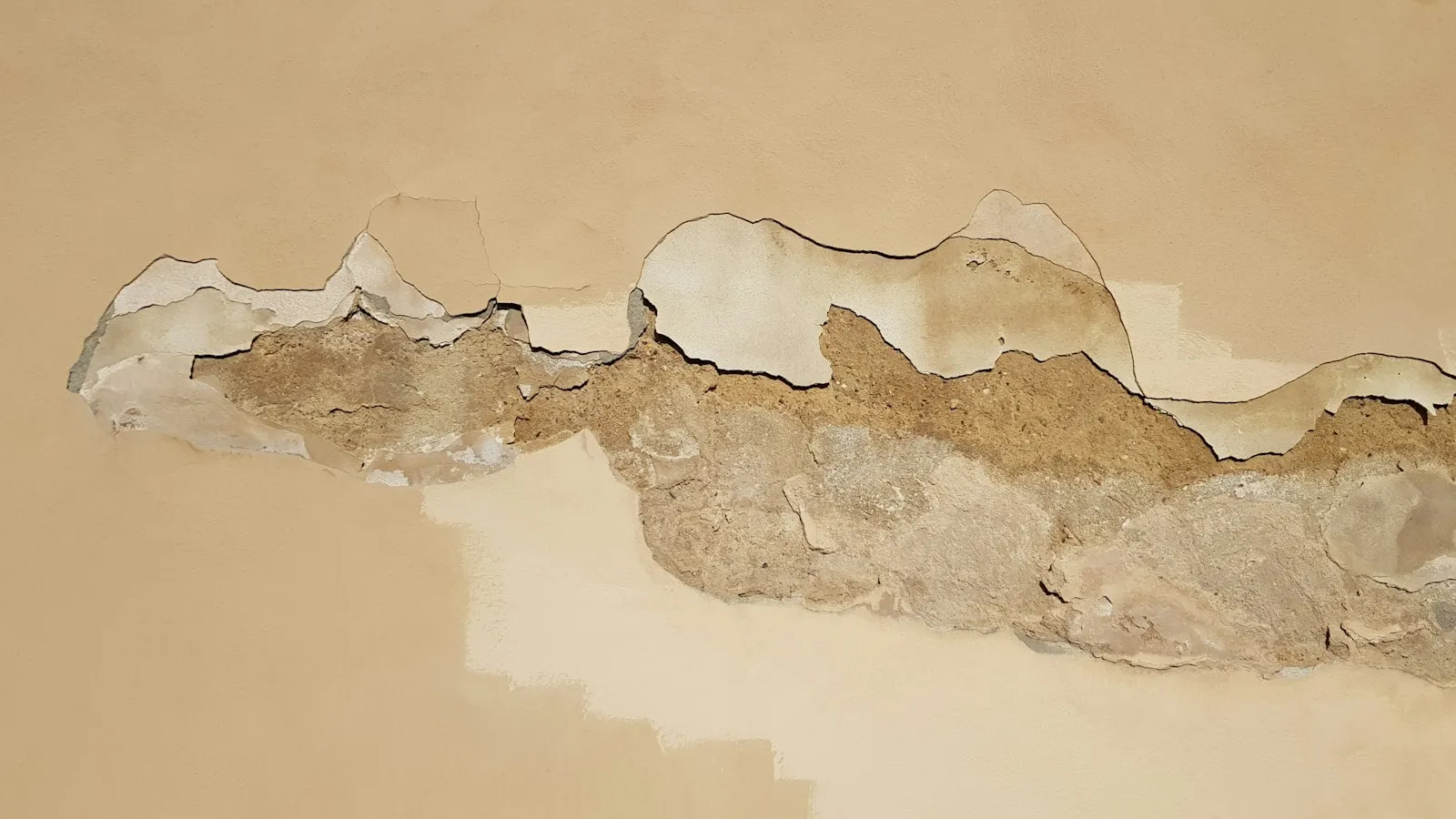
Damp has different causes, and each needs a different fix. This guide explains how to tell condensation, penetrating damp, rising damp and leaks apart, and what reduces each one, based on UK government, Shelter and Citizens Advice guidance.
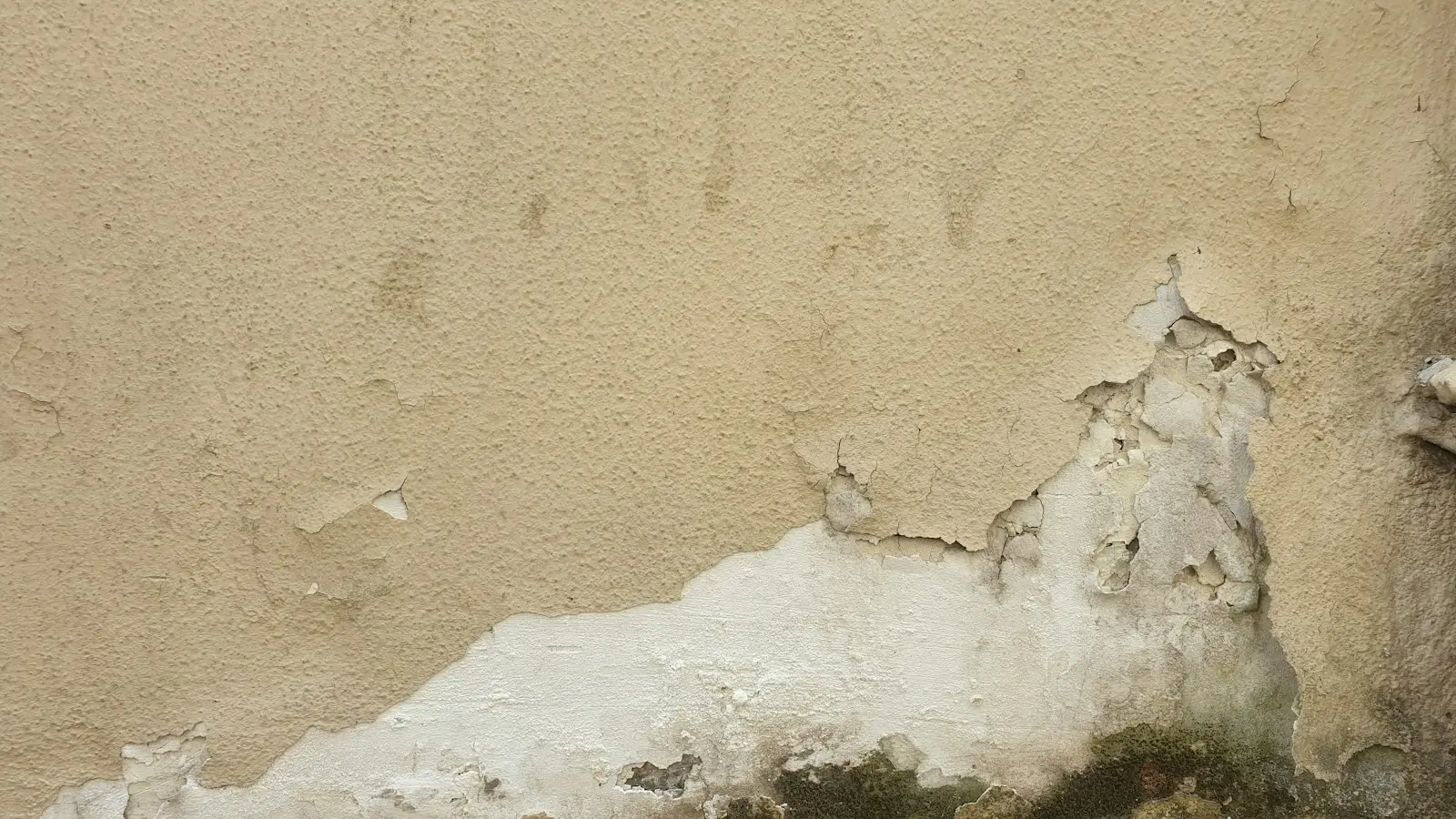
Mould on walls grows where the surface stays damp. This guide explains the usual causes, from condensation and cold spots to leaks and penetrating damp, and the steps that keep walls dry, based on UK government, NHS, Shelter and Citizens Advice guidance.
The products that prevent mould are the ones that control moisture: extractor fans, dehumidifiers, ventilation units and humidity monitors. Anti-mould paints, sprays and mould-resistant materials have a smaller supporting role. This guide explains what each does and what to check before buying.
How to prevent and stop mould in a bedroom
Bedrooms grow mould because people breathe out moisture for hours in a closed room. This guide covers where bedroom mould appears, the habits and fixes that prevent it, and how to clean off small patches safely, based on UK government, NHS and Shelter guidance.
Can you mould-proof a home?
No home or material is truly mould-proof, because mould spores are always in the air. What you can do is make a home very hard for mould to grow in by keeping surfaces dry and warm. This guide explains how, and where mould-resistant materials fit in.
Every guide on this topic
Condensation and damp
- How to prevent and reduce damp in a room or house
Damp has different causes, and each needs a different fix. This guide explains how to tell condensation, penetrating damp, rising damp and leaks apart, and what reduces each one, based on UK government, Shelter and Citizens Advice guidance.
- How to prevent condensation and condensation mould
Condensation is the most common form of damp in UK homes. This guide explains why it forms, where mould tends to follow, and the practical steps that reduce it, drawn from government, NHS and Shelter advice.
Rooms and surfaces
- How to prevent and stop mould in a bedroom
Bedrooms grow mould because people breathe out moisture for hours in a closed room. This guide covers where bedroom mould appears, the habits and fixes that prevent it, and how to clean off small patches safely, based on UK government, NHS and Shelter guidance.
- How to stop mildew on walls
Mildew on a wall is thin surface mould, and it comes back for the same reasons mould does. This guide covers how to clean it off safely and how to stop it returning, based on UK government, NHS and Shelter advice.
- How to stop mould growing on walls
Mould on walls grows where the surface stays damp. This guide explains the usual causes, from condensation and cold spots to leaks and penetrating damp, and the steps that keep walls dry, based on UK government, NHS, Shelter and Citizens Advice guidance.
- How to stop mould on ceilings
How to clean mould off a ceiling safely and stop it coming back, whether the cause is condensation, missing loft insulation or a leak, based on UK government, NHS and Citizens Advice guidance.
- Mould on wood: how to remove it and stop it coming back
Mould grows on wood that stays damp, from window frames and skirting boards to furniture and loft timbers. This guide explains how to tell mould from staining or rot, how to clean it safely, and how to keep wood dry, based on UK government guidance.
Clothes and furniture
- What causes mould on clothes?
Mould on clothes comes from damp: clothes put away before they are fully dry, wardrobes on cold external walls, laundry dried indoors without ventilation, and leaks. This guide explains the causes, what to do with mouldy clothes, and how to stop it happening again.
- What causes mould on furniture?
Mould on furniture grows where it stays damp, most often on the backs of pieces pushed against cold external walls, in damp storage, or after a leak. This guide explains the causes, how to clean hard and upholstered furniture, and how to prevent it.
Products and sprays
- Can you mould-proof a home?
No home or material is truly mould-proof, because mould spores are always in the air. What you can do is make a home very hard for mould to grow in by keeping surfaces dry and warm. This guide explains how, and where mould-resistant materials fit in.
- Mould removal products: what to use and what to avoid
Which products to use to remove mould at home, why government guidance prefers mould and mildew cleaners to bleach, how to use them safely, and when no product will be enough.
- What is an anti-mould system? Ventilation and humidity control explained
There is no single product called an anti-mould system. In practice the term covers ventilation and humidity control: humidity-controlled extract fans, continuous mechanical extract, heat recovery ventilation, positive input ventilation and dehumidifiers. This guide explains what each does.
- Which products help prevent mould?
The products that prevent mould are the ones that control moisture: extractor fans, dehumidifiers, ventilation units and humidity monitors. Anti-mould paints, sprays and mould-resistant materials have a smaller supporting role. This guide explains what each does and what to check before buying.
Other topics
- Tenants, landlords and the lawWhat Awaab's Law means for renters, landlords and housing staff, and who is trained to deal with damp and mould.
- Mould and your healthWhat mould exposure can do to your body, who is most at risk, and when to worry.
- Causes, damp and condensationWhy mould and damp appear in a home, and how fast they take hold.
- Removing mouldHow to clean and treat mould, grouped by room, surface and material.
- Costs, tests and professionalsWhat mould removal costs, how mould is tested and inspected, and when to call a specialist.
- Types of mould and how to spot themMould types, colours and pictures, plus plain answers on mould and mold spelling and meaning.