Breathing in Mould Spray: Risks, Regulations & Remediation
Discover the health risks of breathing in mould spray, UK regulations, and professional remediation advice. Protect your health and home.
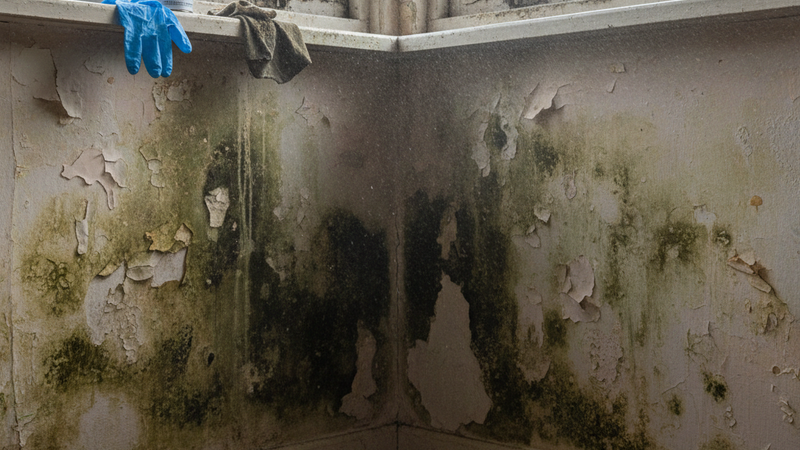
Mould is a pervasive problem in many UK homes and businesses, often prompting individuals to reach for readily available mould sprays to tackle visible growth. While these products may offer a temporary aesthetic fix, the act of breathing in mould spray can pose significant health risks, often exacerbating existing issues rather than solving them. This article delves into the dangers of inhaling chemical mould treatments, outlines UK regulations, and provides expert advice on safe and effective mould remediation.
Understanding the Issue: Mould & Chemical Sprays
The Nature of Mould and Mould Sprays
Mould is a type of fungus that thrives in damp, humid environments. It reproduces by releasing microscopic spores into the air, which can then be inhaled. Many off-the-shelf mould sprays contain harsh chemicals such as bleach (sodium hypochlorite), biocides, or fungicides. These chemicals are designed to kill mould, but they often do so by surface-level bleaching or by releasing volatile organic compounds (VOCs) and other irritants into the air.
While these sprays might make mould disappear from sight, they don't always address the underlying moisture problem, meaning mould is likely to return. Furthermore, dead mould spores can still trigger allergic reactions and respiratory issues, making thorough removal, not just killing, essential.
Why DIY Solutions Fall Short
Many homeowners attempt to tackle mould themselves, often due to a lack of awareness regarding the potential health implications or the complexity of effective remediation. Relying solely on chemical sprays often leads to:
- Incomplete Removal: Sprays rarely penetrate porous materials deeply enough to kill all hyphae (mould roots), leading to regrowth.
- Masking the Problem: By bleaching the mould, the visible signs are gone, but the source of moisture remains unaddressed.
- Chemical Exposure: Inhaling the vapours from these sprays can be more harmful than the mould itself, especially in poorly ventilated areas.
- Increased Spore Release: Scrubbing or spraying mould vigorously can disperse spores further into the air, contaminating other areas of the property.
Important point
Always ventilate the area thoroughly when attempting any DIY mould cleaning, and wear appropriate personal protective equipment (PPE), even for mild cases. However, for significant mould growth, professional intervention is recommended.
Health & Safety Concerns of Inhaling Mould Spray
Immediate & Short-Term Health Impacts
Inhaling the fumes from mould sprays can lead to immediate and short-term health effects. The chemicals, particularly bleach, are strong irritants. Symptoms can include:
- Respiratory Irritation: Coughing, wheezing, shortness of breath, and irritation of the throat and nasal passages. This is particularly concerning for individuals with pre-existing conditions like asthma or COPD.
- Eye and Skin Irritation: Redness, burning, and itching if chemicals come into contact with eyes or skin.
- Headaches and Dizziness: Caused by the inhalation of VOCs and other chemical vapours.
- Nausea: In severe cases, particularly with prolonged exposure in confined spaces.
Long-Term & Chronic Health Risks
Repeated or prolonged exposure to mould spray chemicals can contribute to more serious, chronic health problems. The NHS provides guidance on the general health impacts of mould, and these risks are compounded by chemical exposure. Potential long-term effects may include:
- Exacerbation of Asthma and Allergies: Chronic irritation can worsen respiratory conditions.
- Chemical Sensitivity: Developing increased sensitivity to various chemicals.
- Organ Damage: Though rare with typical household exposure, extreme or industrial-level exposure to certain biocides can potentially affect organs like the liver or kidneys.
- Increased Cancer Risk: Some chemicals, like formaldehyde (a byproduct of certain biocides), are classified as known human carcinogens, though typical household mould spray use is generally not considered a high-risk exposure for this.
Vulnerable Populations
Certain groups are more susceptible to the adverse effects of both mould and chemical sprays. These include:
- Babies and young children
- Elderly individuals
- People with respiratory conditions (asthma, bronchitis)
- Individuals with weakened immune systems
- Those with existing allergies or chemical sensitivities
UK Regulations and Industry Standards for Mould Remediation
Health and Safety Executive (HSE) Guidelines
In the UK, the Health and Safety Executive (HSE) provides guidance on controlling health risks from fungi, including mould, particularly in workplace settings but with implications for domestic environments. While HSE doesn't specifically regulate household mould spray use, it emphasises risk assessment, adequate ventilation, and appropriate PPE when dealing with mould. They recommend professional assessment for larger mould issues or those causing health concerns.
IICRC S520 Standards
For professional mould remediation, the industry standard is the IICRC S520: Standard for Professional Mould Remediation. This comprehensive document outlines best practices for assessing, containing, removing, and preventing mould growth. It stresses a holistic approach, focusing on:
- Source Identification: Finding and fixing the moisture source is paramount.
- Containment: Preventing the spread of spores during remediation.
- Physical Removal: Safely removing mould-affected materials.
- Cleaning & Drying: Thoroughly cleaning and drying affected areas and contents.
- Post-Remediation Verification: Ensuring the problem is fully resolved.
IICRC S520 explicitly discourages the sole use of biocides or fungicidal coatings as a primary remediation strategy, advocating for physical removal as the most effective method.
Housing Health and Safety Rating System (HHSRS)
For landlords and housing providers, the Housing Health and Safety Rating System (HHSRS), enforced by local authorities, identifies damp and mould growth as a Category 1 hazard if it poses a serious threat to health. This places a legal duty on landlords to address and mitigate mould issues promptly and effectively, often requiring professional intervention rather than just superficial cleaning with sprays.
Awaab's Law
Awaab's Law, in force in England since 27 October 2025, strengthens tenants' rights by requiring social housing landlords to address serious hazards like damp and mould within strict timescales, making professional, compliant remediation even more critical.
Professional Mould Remediation Process
Assessment and Moisture Source Identification
A professional remediation begins with a thorough assessment. Our certified mould specialists will:
- Identify the type and extent of mould growth.
- Locate and diagnose the underlying moisture source (e.g., leaks, condensation, rising damp, penetrating damp).
- Evaluate potential health risks and determine the scope of work required.
- Conduct air quality testing if necessary to quantify spore levels.
Understanding the moisture source is crucial; without addressing it, mould will inevitably return.
Containment and Safe Removal
To prevent cross-contamination, particularly for larger mould issues, containment measures are put in place. This includes:
- Sealing off the affected area with plastic sheeting.
- Using negative air pressure machines with HEPA filters to capture airborne spores.
- Wearing full PPE, including respirators, gloves, and protective suits.
Mould-affected materials that cannot be salvaged (e.g., heavily contaminated drywall, insulation) are carefully removed, double-bagged, and disposed of according to local regulations. Surfaces that can be cleaned are meticulously scrubbed with appropriate, non-toxic, and anti-microbial solutions, followed by HEPA vacuuming.
Drying, Cleaning, and Prevention
Once mould is removed, the area is thoroughly dried using industrial-grade dehumidifiers and air movers. This prevents residual moisture from allowing mould to regrow. Professionals then apply protective measures to inhibit future growth, which may include:
- Applying mould-resistant coatings.
- Improving ventilation systems.
- Providing recommendations for ongoing moisture control.
Post-remediation verification, which can include air sampling, ensures the environment is safe and free from elevated mould spore counts, giving you peace of mind.
Prevention and Maintenance Strategies
Controlling Humidity and Ventilation
The most effective way to prevent mould is to control moisture and humidity. Aim for indoor humidity levels between 30-50%. Practical steps include:
- Ventilate: Open windows daily, especially after showering, cooking, or drying laundry indoors. Use extractor fans in bathrooms and kitchens.
- Dehumidifiers: Use in damp areas like basements or during humid weather.
- Heating: Maintain a consistent, moderate indoor temperature to prevent condensation. Avoid drying clothes directly on radiators.
For more comprehensive advice, consult resources from organisations like universities studying indoor air quality.
Prompt Leak Repair and Property Maintenance
Water leaks are a primary cause of mould. Be vigilant and address any leaks immediately:
- Regularly check pipes, roofs, and gutters for leaks.
- Ensure proper drainage around your property's foundation.
- Clean and maintain your heating, ventilation, and air conditioning (HVAC) systems.
Cleaning Practices and Product Choices
For very small, superficial mould spots (less than a postcard size) on non-porous surfaces:
- Use Non-Toxic Cleaners: White vinegar or a mild detergent solution are safer alternatives to harsh chemical sprays.
- Wear PPE: Always wear gloves, eye protection, and an FFP2 or FFP3 respirator mask (the UK equivalent of a US N95).
- Ventilate: Ensure the area is well-ventilated during and after cleaning.
- Dry Thoroughly: Ensure the area is completely dry after cleaning to prevent regrowth.
Remember, this DIY approach is only for minor surface mould and is not a substitute for professional remediation of larger or persistent issues.
When to Call Professional Mould Remediation Experts
Signs Indicating Professional Help is Needed
While tackling small mould spots might seem manageable, certain situations warrant immediate professional attention to protect your health and property. You should contact a specialist if you observe any of the following:
- Large Areas of Mould: If mould covers an area greater than one square metre (approximately 10 sq ft), or extends across multiple rooms.
- Recurrent Mould: If mould consistently returns despite your cleaning efforts, indicating an unresolved moisture issue.
- Hidden Mould: Suspicion of mould behind walls, under flooring, or in HVAC systems, often indicated by a persistent musty odour.
- Health Symptoms: If occupants are experiencing unexplained respiratory issues, allergies, or other health problems that could be linked to mould exposure.
- After Water Damage: Following floods, burst pipes, or significant water leaks, as mould can develop rapidly within 24-48 hours.
- Toxic Mould Species: If black mould (Stachybotrys chartarum) is suspected – though only lab testing can confirm its presence.
Benefits of Professional Remediation
Engaging certified mould remediation specialists offers numerous advantages:
- Expertise: Trained professionals understand mould biology, moisture dynamics, and safe remediation practices compliant with IICRC S520.
- Safety: They use specialised equipment and techniques to contain mould, prevent spore spread, and protect occupants' health.
- Thoroughness: Professionals identify and fix the root cause of mould, not just the visible signs, ensuring long-term prevention.
- Effective Removal: They carry out complete physical removal of mould and contaminated materials, including invisible spores.
- Peace of Mind: With post-remediation verification and guarantees, you can be confident your property is healthy and mould-free.
Our Commitment to Your Safety
As UK mould remediation specialists, we prioritise your health and safety. Professionals adhere strictly to IICRC S520 guidelines, employing advanced techniques and non-toxic solutions to deliver effective and lasting mould removal. Don't risk your health by breathing in mould spray or attempting complex remediation yourself. For a sense of what the work should cost, use our mould removal cost calculator to understand potential expenses.
Explore more helpful articles on our blog for insights into mould prevention, health impacts, and industry best practices.