Mould and your health
Living with damp and mould can affect your airways and lungs, and some people are at greater risk than others, including children, older people and anyone with asthma or a weakened immune system. These guides cover what the risks are, who should take extra care, and when to speak to a GP.
Start with these
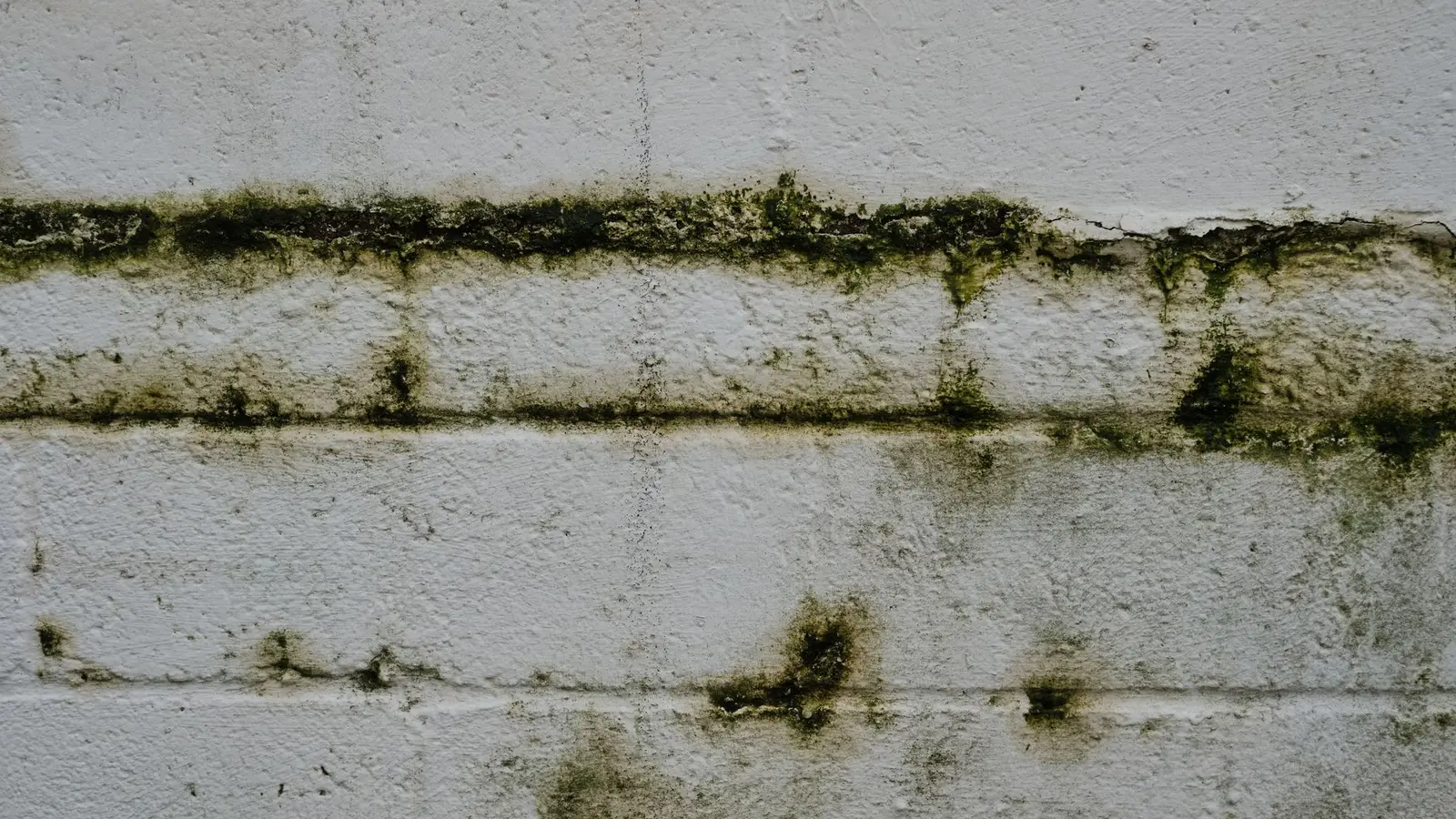
Whether green mould in the home is dangerous, what UK health guidance says about mould of any colour, how to clean it safely and how to stop it returning.
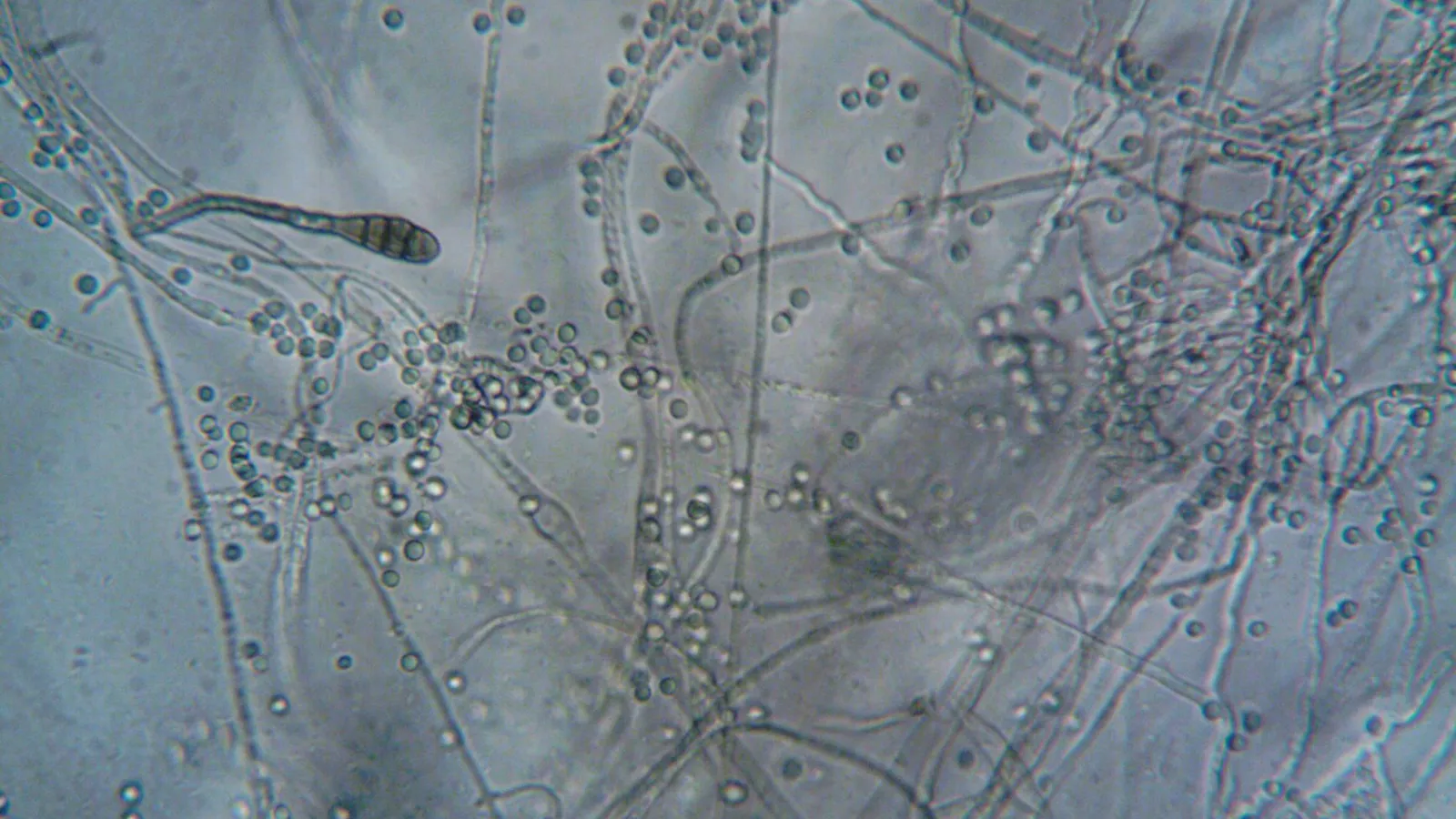
What the NHS and government health guidance say about mould allergy: the symptoms, how it is treated, when to see a GP, and how to reduce mould at home.
How does mould affect a person's health and home?
The health effects of mould described in UK government and NHS guidance, who is most at risk, what damp does to a home, and what the law in England requires.
Is black mould on a bathroom ceiling dangerous?
What UK health guidance says about black mould on bathroom ceilings, how to clean a small patch safely, and how to stop it returning through better ventilation.
Black mould and pregnancy: what UK health guidance says
What the government and NHS say about damp, mould and pregnancy, how to deal with mould safely while pregnant, and when to speak to your midwife or GP.
Mould exposure during pregnancy: symptoms and when to get help
The symptoms UK health guidance links to damp and mould, why they can be hard to tell apart from pregnancy changes, and when to contact your midwife, GP or NHS 111.
Every guide on this topic
Is it dangerous?
- 'Killer mould': what UK health guidance actually says about the risk
What lies behind the phrase 'killer mould', what UK health guidance says about serious illness from damp and mould, who is most at risk and what to do.
- How does mould affect a person's health and home?
The health effects of mould described in UK government and NHS guidance, who is most at risk, what damp does to a home, and what the law in England requires.
- Is black mould on a bathroom ceiling dangerous?
What UK health guidance says about black mould on bathroom ceilings, how to clean a small patch safely, and how to stop it returning through better ventilation.
- Is green mould dangerous? What UK health guidance says
Whether green mould in the home is dangerous, what UK health guidance says about mould of any colour, how to clean it safely and how to stop it returning.
Breathing it in and allergies
- Breathing in mould spray: what to do and how to use sprays safely
What UKHSA and the NHS say about breathing in bleach and mould cleaning sprays, what to do if it happens, and how to use mould sprays more safely.
- Fungal spores in the air at home: when they matter and what helps
What official UK health sources say about mould spores in the air, when they become a problem, who is most at risk, and how to reduce them at home.
- Mould spore allergy in the UK: symptoms, treatment and help at home
What the NHS and government health guidance say about mould allergy: the symptoms, how it is treated, when to see a GP, and how to reduce mould at home.
Pregnancy
- Black mould and pregnancy: what UK health guidance says
What the government and NHS say about damp, mould and pregnancy, how to deal with mould safely while pregnant, and when to speak to your midwife or GP.
- Mould exposure during pregnancy: symptoms and when to get help
The symptoms UK health guidance links to damp and mould, why they can be hard to tell apart from pregnancy changes, and when to contact your midwife, GP or NHS 111.
Other topics
- Tenants, landlords and the lawWhat Awaab's Law means for renters, landlords and housing staff, and who is trained to deal with damp and mould.
- Causes, damp and condensationWhy mould and damp appear in a home, and how fast they take hold.
- Removing mouldHow to clean and treat mould, grouped by room, surface and material.
- Preventing mouldHow to stop mould forming or coming back, from ventilation to sprays and proofing.
- Costs, tests and professionalsWhat mould removal costs, how mould is tested and inspected, and when to call a specialist.
- Types of mould and how to spot themMould types, colours and pictures, plus plain answers on mould and mold spelling and meaning.