Understanding Fungal Spores in the Air: UK Guide
Learn about fungal spores in the air, their health impacts, UK regulations, and professional remediation. Protect your home and health from airborne mould.
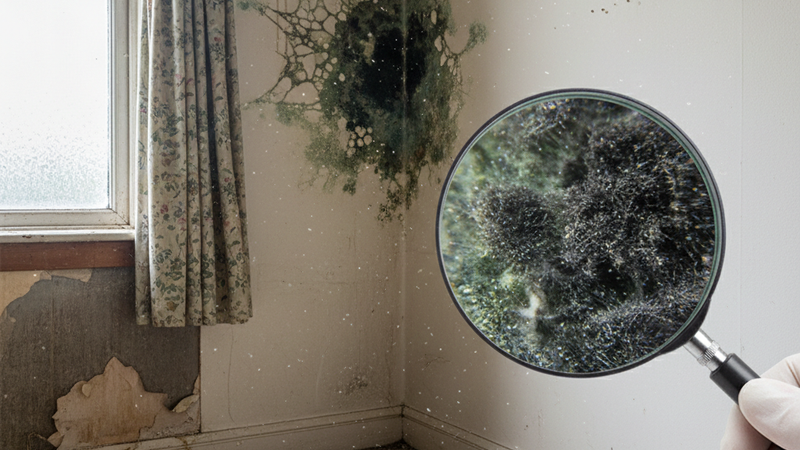
Fungal spores are microscopic reproductive units released by fungi, including moulds, and are ubiquitous in both indoor and outdoor environments. While a certain level of these spores is natural, elevated concentrations indoors, particularly in UK homes and workplaces, can signify a hidden mould problem and pose significant health risks to occupants.
Understanding Fungal Spores and Their Presence
Fungal spores are the primary means by which fungi reproduce and spread. They are incredibly resilient, capable of remaining dormant for extended periods and travelling vast distances through air currents. Their presence indoors is often a direct indicator of moisture issues and active mould growth within the property.
What Are Fungal Spores?
Fungal spores are tiny, lightweight particles released by mould, yeast, and other fungi. They act much like plant seeds, germinating and growing into new fungal colonies when they land on a suitable surface with sufficient moisture and an organic food source. Common types found indoors in the UK include species from genera like Cladosporium, Aspergillus, Penicillium and Alternaria, with Stachybotrys appearing far less often and mainly on persistently soaked materials.
Sources and Dispersion Indoors
Indoors, fungal spores primarily originate from active mould growth on damp surfaces such as walls, ceilings, carpets, insulation, or within HVAC systems. Once growth occurs, these colonies release millions of spores into the air, which are then distributed throughout the property by natural air currents, human activity, and mechanical ventilation systems. High humidity and poor ventilation are significant contributors to their proliferation.
Identifying High Fungal Spore Levels
While invisible to the naked eye, consistently high levels of fungal spores indoors can often be indicated by a persistent musty smell, visible mould growth in certain areas, or unexplainable health symptoms. Professional air quality testing is the most reliable method to quantify spore concentrations and identify specific mould types present. Understanding these levels is crucial for effective remediation.
Health and Safety Concerns Related to Airborne Spores
Inhaling fungal spores can lead to a range of health issues, varying from mild allergic reactions to severe respiratory problems, particularly for vulnerable individuals. The UK's National Health Service (NHS) provides valuable information on the health impacts of damp and mould.
Common Health Impacts
Exposure to airborne fungal spores can trigger several health problems. The most common include:
- Allergic Reactions: Symptoms such as sneezing, runny nose, red eyes, skin rash, and asthma attacks.
- Respiratory Issues: Wheezing, coughing, shortness of breath, and exacerbation of conditions like asthma and chronic obstructive pulmonary disease (COPD).
- Irritation: Eye, nose, and throat irritation.
- Headaches and Fatigue: General malaise often reported by occupants in mould-affected properties.
Vulnerable Populations
Certain groups are more susceptible to the adverse effects of fungal spores:
- Infants and Young Children: Their developing respiratory systems are more sensitive.
- Elderly Individuals: Often have weaker immune systems or pre-existing respiratory conditions.
- Asthma Sufferers: Mould can trigger severe asthma attacks.
- Individuals with Compromised Immune Systems: Such as those undergoing chemotherapy, HIV/AIDS patients, or organ transplant recipients, who are at higher risk of fungal infections.
- Individuals with Respiratory Conditions: Including allergies, bronchitis, and sinusitis.
Important point
The NHS advises that damp and mould can make people unwell. For more information, visit the UKHSA guidance on damp and mould.
Long-term Exposure Risks
Chronic exposure to high levels of fungal spores can lead to more serious and long-lasting health problems, including sensitisation to mould allergens, chronic sinusitis, and fungal infections such as aspergillosis in people with weakened immune systems. It is crucial to address mould issues promptly to mitigate these risks.
UK Regulations and Standards for Mould Remediation
In the UK, a framework of regulations and guidelines exists to ensure that properties are safe and healthy, particularly concerning hazards like damp and mould. Compliance with these standards is critical for landlords, property owners, and remediation specialists.
IICRC S520 Guidelines
The Institute of Inspection, Cleaning and Restoration Certification (IICRC) S520 Standard and Reference Guide for Professional Mould Remediation is the globally recognised consensus standard for mould remediation. While primarily an industry standard rather than a legal requirement, it represents best practice and is widely adopted by reputable UK remediation companies. It outlines procedures for containment, remediation, post-remediation verification, and worker protection to ensure mould is safely and effectively removed.
Important point
Adhering to IICRC S520 ensures that remediation is carried out safely and effectively, minimising secondary contamination and protecting occupants. You can learn more about IICRC Standards.
Housing Health and Safety Rating System (HHSRS)
The HHSRS is a risk assessment tool used by local authorities in England and Wales to identify and assess potential hazards in residential properties, including damp and mould. Under HHSRS, severe damp and mould can be categorised as a Category 1 hazard, requiring landlords to take action to rectify the problem. This system enforces a duty of care on landlords to provide safe living conditions.
Worker Safety and HSE Guidelines
The Health and Safety Executive (HSE) provides guidance for employers and workers on managing risks associated with mould. This includes recommendations for personal protective equipment (PPE), safe work practices, and waste disposal to protect those involved in remediation. The HSE emphasizes the importance of risk assessment and using suitable controls to prevent exposure to harmful mould spores. Further information is available on the HSE website.
Professional Mould Remediation Process
Addressing elevated fungal spore levels and active mould growth requires a systematic and professional approach beyond simple cleaning. A professional remediation process is designed to return your property to a healthy state, following industry best practices.
Assessment and Testing
The first step involves a thorough inspection to identify the source of moisture, the extent of mould growth, and areas affected by airborne spores. This typically includes:
- Visual Inspection: Locating visible mould and signs of water damage.
- Moisture Meter Readings: Identifying hidden moisture sources within building materials.
- Air Sampling: Collecting air samples to quantify airborne fungal spores and identify specific mould types, comparing them to outdoor baseline levels.
- Surface Swabs/Tape Lifts: Direct sampling of visible mould for laboratory analysis.
Containment and Source Removal
Once assessed, the affected area is contained using physical barriers and negative air pressure to prevent the spread of spores to unaffected areas of the property. The source of moisture is then addressed (e.g., repairing leaks). Visible mould is carefully removed using appropriate biocides and cleaning agents, and contaminated materials are safely disposed of according to regulations.
Air Filtration and Post-Remediation Verification
High-Efficiency Particulate Air (HEPA) air scrubbers and vacuums are used throughout the process to capture airborne spores and other microscopic particles. After remediation, the area is thoroughly cleaned and dried. Post-remediation verification testing, often involving air sampling, is crucial to confirm that spore levels have returned to normal baseline levels and that the mould issue has been effectively resolved. This step ensures the space is safe for re-occupancy.
Prevention and Maintenance for a Healthy Indoor Environment
Proactive measures are key to preventing fungal spores from reaching problematic levels in your home or workplace. Effective moisture control and good indoor air quality practices are paramount.
Moisture Control is Key
Mould cannot grow without moisture. Therefore, controlling dampness is the most effective way to prevent fungal spore proliferation:
- Fix Leaks Promptly: Repair leaky roofs, pipes, and windows immediately.
- Manage Condensation: Ensure good ventilation in bathrooms and kitchens. Use extractor fans, open windows, and wipe down surfaces after showering or cooking.
- Maintain Proper Drainage: Ensure gutters and downspouts direct water away from the foundation.
- Control Humidity: Maintain indoor humidity levels below 60% (ideally 30-50%) using dehumidifiers in damp areas like basements.
Improving Ventilation and Air Quality
Good ventilation helps to reduce humidity and remove airborne spores:
- Ventilate Regularly: Open windows for at least 15 minutes daily, even in winter, to allow fresh air circulation.
- Use Extractor Fans: Ensure all bathrooms and kitchens have properly functioning extractor fans ducted to the outside.
- Avoid Drying Laundry Indoors: If unavoidable, ensure the room is well-ventilated or use a condenser tumble dryer.
- Clean HVAC Systems: Regularly inspect and clean air conditioning and heating system filters.
Regular Cleaning and Inspection
Simple habits can significantly reduce the risk of mould growth:
- Clean Regularly: Dust and vacuum frequently using a HEPA-filtered vacuum cleaner to remove spores from surfaces and carpets.
- Inspect for Mould: Periodically check common problem areas like bathrooms, kitchens, basements, and behind furniture for signs of mould growth. Remember, if you spot mould, it's essential to understand mould removal cost factors.
- Maintain Property: Ensure your home is well-maintained to prevent structural issues that can lead to damp.
When to Call Professional Mould Remediation Specialists
While minor surface mould can sometimes be tackled by homeowners, certain situations absolutely warrant the intervention of qualified professionals to ensure a safe and effective resolution.
Signs of a Significant Mould Problem
You should consider calling professionals if you notice:
- Large Areas of Mould: If mould covers an area larger than 1 square metre (approximately 10 square feet).
- Persistent Musty Odour: A strong, ongoing musty smell even after cleaning, indicating hidden mould growth.
- Recurrent Mould Growth: Mould keeps returning despite your best cleaning efforts.
- Widespread Health Symptoms: Occupants experiencing unexplained or worsening respiratory issues, allergies, or other health problems potentially linked to mould.
Risks of DIY Remediation for Extensive Mould
Attempting to remediate extensive mould yourself can often do more harm than good:
- Spore Dispersion: Improper cleaning techniques can release millions of spores into the air, spreading the contamination to other areas.
- Incomplete Removal: Without proper equipment and expertise, it's easy to miss hidden mould or to fail to address the underlying moisture source, leading to recurrence.
- Exposure Risks: Direct contact with mould and inhalation of high spore concentrations during remediation can pose significant health risks.
- Property Damage: Using incorrect cleaning agents or methods can damage building materials.
The Benefits of Professional Intervention
Professional mould remediation specialists offer:
- Expertise: Trained in IICRC S520 standards, ensuring thorough and safe removal.
- Specialised Equipment: Including HEPA air scrubbers, professional-grade biocides, and PPE.
- Source Identification: Ability to accurately locate and address the root cause of moisture.
- Containment: Preventing cross-contamination to unaffected areas.
- Post-Remediation Verification: Ensuring the problem is fully resolved and the environment is healthy.
Keeping up-to-date with landlord and tenant responsibilities, particularly with Awaab's Law, in force for social landlords since 27 October 2025, is also crucial. For more insights and articles, please visit our blog.
For more academic insights into fungal spores and respiratory health, you can refer to research from reputable institutions like the University of Cambridge.
Understanding and managing fungal spores in the air is essential for maintaining a healthy indoor environment in the UK. By following preventative measures and knowing when to call on expert assistance, you can protect your property and the well-being of its occupants.