Mold Exposure During Pregnancy: Symptoms & UK Guidance
Understand the symptoms of mold exposure during pregnancy, potential health risks, and essential UK guidance for a safe home environment.
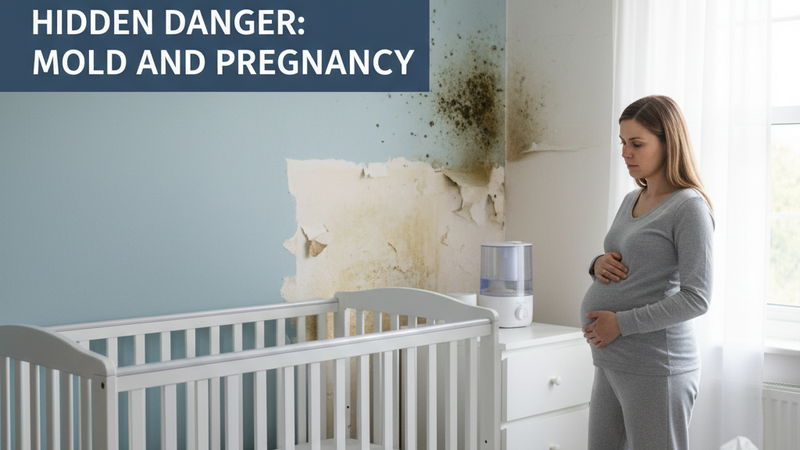
Pregnancy is a critical period for both mother and developing baby, making a healthy living environment paramount. Exposure to mould, a common indoor contaminant, can raise significant concerns, especially for expectant mothers. This comprehensive guide explores the symptoms associated with mould exposure during pregnancy, the potential health implications, and vital UK-specific advice on remediation and prevention, ensuring a safer home for you and your child.
Understanding Mould and Pregnancy Risks
Mould is a type of fungus that grows in damp, humid conditions, commonly found in many UK homes. While low levels of mould spores are always present in the air, excessive growth can produce allergens, irritants, and sometimes toxic substances known as mycotoxins. During pregnancy, a woman's immune system undergoes natural changes, potentially making her more susceptible to environmental triggers.
What is Mould and How Does it Affect Health?
Mould reproduces by releasing tiny spores into the air. When these spores are inhaled, they can trigger allergic reactions in sensitive individuals. Mould exposure doesn't just affect respiratory health; it can also irritate the skin and eyes. During pregnancy, these effects can be particularly concerning due to the potential for adverse outcomes for both mother and foetus.
- Allergic Reactions: Common symptoms include sneezing, runny nose, red eyes, skin rash, and asthma attacks.
- Irritation: Mould can irritate the eyes, nose, throat, and lungs, leading to coughing and wheezing.
- Mycotoxins: Certain moulds produce mycotoxins, which can be toxic and lead to more severe health issues, though significant exposure is usually required for such effects.
Specific Concerns for Expectant Mothers
Pregnant women may experience heightened sensitivity to mould due to hormonal changes and a temporarily altered immune system. This means that symptoms might be more pronounced or develop more quickly than in non-pregnant individuals. The stress of dealing with chronic mould-related illness can also impact maternal well-being, which in turn can affect pregnancy outcomes.
Important point
While direct evidence linking mould exposure to specific birth defects is limited and complex, it's crucial to minimise all potential environmental stressors during pregnancy. Protecting the mother's health is paramount for a healthy pregnancy.
Symptoms of Mould Exposure During Pregnancy
Recognising the signs of mould exposure is the first step towards addressing the problem. Symptoms can often mimic those of a common cold, allergies, or other pregnancy-related discomforts, making diagnosis challenging. Pay close attention to symptoms that persist or worsen when you are in a particular indoor environment and improve when you leave.
Common Respiratory Symptoms
Respiratory issues are among the most frequently reported symptoms of mould exposure. For pregnant women, managing these symptoms can be particularly taxing.
- Persistent Cough and Sore Throat: A cough that doesn't go away, often accompanied by throat irritation.
- Wheezing and Shortness of Breath: Especially for those with pre-existing conditions like asthma, mould can exacerbate these symptoms.
- Nasal Congestion and Sinus Issues: Chronic stuffy nose, sneezing, and sinus headaches are common.
- Fatigue: Persistent respiratory issues can lead to poor sleep quality and overall fatigue, which can be amplified during pregnancy.
Other Potential Health Manifestations
Beyond respiratory problems, mould exposure can manifest in various other ways, affecting multiple body systems.
- Skin Rashes and Irritation: Itchy skin, dermatitis, or unexplained rashes.
- Eye Irritation: Red, watery, or itchy eyes.
- Headaches and Dizziness: Some individuals report headaches, dizziness, or even brain fog.
- Digestive Issues: Though less common, some reports link mould exposure to digestive disturbances.
- Exacerbation of Existing Conditions: Mould can worsen symptoms for those with autoimmune disorders or compromised immune systems, including pregnant women.
When to Seek Medical Advice
If you are pregnant and suspect mould exposure, or if you experience any of the symptoms listed, it's crucial to consult your GP or midwife. They can assess your symptoms, rule out other causes, and provide guidance on managing your health during pregnancy. Always mention any concerns about your home environment.
UK Health & Safety Guidelines for Mould
The UK has established guidelines and recommendations to protect residents from the health impacts of indoor mould. Adhering to these standards is essential for maintaining a safe living environment, particularly for vulnerable populations like pregnant women.
NHS and HSE Recommendations
The NHS provides advice on how to deal with damp and mould in your home, highlighting the health risks. The Health and Safety Executive (HSE) also offers guidance for workplaces, which can be adapted for domestic settings regarding risk assessment and control measures. Both emphasise the importance of addressing the root cause of dampness and removing mould safely.
Housing Health and Safety Rating System (HHSRS)
In the UK, the Housing Health and Safety Rating System (HHSRS) is used by local authorities to assess housing conditions. Damp and mould growth are classified as a Category 1 hazard if severe enough to pose a significant risk to health. Landlords have a legal responsibility to ensure their properties are free from such hazards. Recent legislation like Awaab's Law further strengthens tenants' rights regarding unsafe housing conditions, including mould.
Professional Mould Remediation Process
When mould growth is extensive, professional remediation is necessary to ensure its safe and complete removal, especially in homes with pregnant occupants. Following industry best practices, such as those outlined by the IICRC, is crucial.
IICRC S520 Standard for Mould Remediation
As expert UK mould remediation specialists, we strictly adhere to the IICRC S520 Standard for Professional Mould Remediation. This standard provides a comprehensive set of principles and procedures for identifying, evaluating, and remediating mould contamination in buildings. Key steps include:
- Assessment and Documentation: Thorough inspection to determine the extent and type of mould.
- Containment: Isolating the affected area to prevent cross-contamination to other parts of the property.
- Air Filtration: Using HEPA filters to clean the air and remove airborne mould spores.
- Source Removal: Physically removing mould-contaminated materials.
- Structural Drying: Ensuring all affected materials are thoroughly dried to prevent re-growth.
- Cleaning and Disinfection: Cleaning all surfaces and applying appropriate anti-microbial treatments.
- Clearance Testing: Post-remediation verification to confirm mould levels are safe.
Ensuring Safety for Pregnant Occupants
During remediation, pregnant individuals and young children should ideally vacate the property until clearance testing confirms it is safe to return. Professionals use specialised Personal Protective Equipment (PPE) and containment protocols to protect themselves and prevent mould spread. This meticulous approach minimises exposure risks for sensitive individuals.
Prevention and Maintenance Strategies
Preventing mould growth is always better than treating it. Simple, consistent actions can significantly reduce the risk of damp and mould in your home, creating a healthier environment for your pregnancy.
Controlling Humidity and Ventilation
Mould thrives in high humidity. Maintaining indoor humidity levels below 60% is crucial. This can be achieved through:
- Ventilation: Open windows regularly, especially after showering, cooking, or drying clothes indoors. Use extractor fans in kitchens and bathrooms.
- Dehumidifiers: Consider using a dehumidifier in damp areas, particularly during colder months.
- Heating: Keep your home adequately heated, as cold surfaces can lead to condensation. Avoid turning off heating completely for extended periods.
Addressing Dampness and Leaks Promptly
Water intrusion is the primary cause of mould. Act quickly to repair any leaks or water damage:
- Fix Leaks: Promptly repair leaky pipes, roofs, or windows.
- Clean Up Spills: Dry any water spills or floods within 24-48 hours.
- Maintain Gutters: Ensure gutters are clear and direct water away from the property foundation.
Regular Cleaning and Inspection
Routine cleaning can help identify and address small mould patches before they become major problems. Inspect areas prone to dampness regularly.
- Wipe Down Condensation: Regularly wipe down windows, sills, and cold walls where condensation forms.
- Clean Shower Curtains/Tiles: Use mould-killing cleaning products on non-porous surfaces.
- Inspect Hidden Areas: Check behind furniture, under sinks, and in cupboards for early signs of mould.
When to Call Professional Mould Specialists
While small patches of surface mould can often be handled with household cleaners, certain situations warrant professional intervention, especially during pregnancy.
Indicators for Professional Intervention
If you observe any of the following, it's time to contact a professional mould remediation service:
- Extensive Growth: If mould covers an area larger than one square metre.
- Hidden Mould: If you suspect mould behind walls, under flooring, or in HVAC systems due to persistent odours or symptoms.
- Health Concerns: If any occupant, particularly a pregnant woman or child, is experiencing persistent health issues attributed to mould.
- Recurrent Mould: If mould keeps returning despite your best efforts to clean it.
- Mycotoxin-Producing Mould: Certain types of mould (e.g., Stachybotrys chartarum, or 'black mould') may pose higher risks and require specialist handling.
The Benefits of Professional Remediation
Engaging certified professionals ensures not only the effective removal of mould but also the identification and rectification of the underlying dampness issue. They possess the equipment, expertise, and training to safely and thoroughly remediate mould, preventing its return and protecting the health of your family. You can learn more about the cost of mould removal on our site.
Finding a Qualified UK Specialist
When selecting a mould remediation specialist, ensure they are certified by organisations like the IICRC and have experience working in residential settings. Ask for references and proof of insurance. Reputable companies will provide a detailed assessment and a clear plan of action.
Further Reading & Resources
For more in-depth information on indoor air quality and its impact on health, resources from institutions like the Imperial College London's research on indoor air quality can be very insightful. Our blog also contains numerous articles on mould prevention and health.