Understanding Mould Form: Identification & Remediation UK
Discover the various forms of mould, their health risks, and effective remediation strategies in the UK, adhering to IICRC S520 and UK regulations.
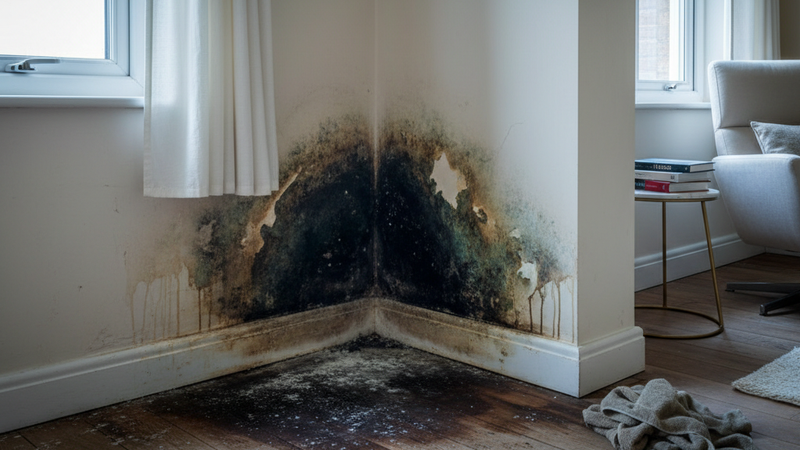
Mould, a pervasive issue in many UK properties, manifests in countless forms, each with unique characteristics and potential implications. Understanding the different appearances, growth patterns, and underlying causes of mould is crucial for effective identification, remediation, and prevention, safeguarding both property integrity and occupant health. This guide delves into the specifics of mould forms within a UK context, emphasizing best practices and regulatory compliance.
Understanding Mould Forms: Identification & Types
What is Mould? The Basics
Mould is a type of fungus that grows in multicellular filaments called hyphae. These hyphae release microscopic spores into the air, which, upon landing on a damp surface with an organic food source, can germinate and form new mould colonies. It's a natural and essential part of the environment, playing a vital role in decomposition, but indoors, it poses significant problems. Given the UK's often damp climate, properties are particularly susceptible to mould growth.
Common UK Mould Appearances and Colours
Mould does not always look the same; its appearance can vary significantly depending on the type of mould, the surface it's growing on, and the moisture level. Common appearances include:
- Black Mould: Often appears as fuzzy or slimy black spots. Stachybotrys chartarum is a notorious 'black mould', often found in areas with prolonged water damage.
- Green Mould: Frequently found on food or damp surfaces, appearing fuzzy or powdery. Penicillium and Aspergillus species are common green moulds.
- White Mould: Can be mistaken for efflorescence (salt deposits) on masonry. It often has a powdery, flaky, or filamentous texture and can be found on ceilings, walls, and even fabrics.
- Brown Mould: Often appears as irregularly shaped brown or yellowish patches, typically found on wood or other cellulosic materials with water damage.
- Pink Mould: While often appearing 'pink', this is typically a bacterium (Serratia marcescens) rather than a true fungus, commonly found in bathrooms and on shower curtains.
Where Mould Commonly Forms in UK Homes
Mould thrives in damp, humid conditions. In UK properties, common areas for mould formation include:
- Bathrooms and Kitchens: Due to high humidity from bathing, cooking, and poor ventilation.
- Window Sills and Frames: Condensation build-up is a frequent cause.
- Walls and Ceilings: Especially in corners or behind furniture where air circulation is limited, or where there are leaks.
- Basements and Cellars: Prone to dampness and standing water.
- Loft Spaces: Poor ventilation and roof leaks can lead to significant mould growth.
Health & Safety Concerns Posed by Mould
Recognised Health Impacts from Mould Exposure
Exposure to mould, regardless of its 'form', can lead to various adverse health effects. The NHS provides comprehensive information on the health risks. These can range from mild irritations to more severe respiratory conditions:
- Allergic Reactions: Sneezing, runny nose, red eyes, skin rash, and asthma attacks. Individuals with existing allergies or asthma are particularly vulnerable.
- Respiratory Problems: Wheezing, coughing, shortness of breath, and exacerbation of conditions like chronic obstructive pulmonary disease (COPD).
- Infections: People with weakened immune systems are at greater risk of fungal infections from mould exposure.
- Other Symptoms: Headaches, fatigue, and general malaise have been reported by individuals living in mould-affected environments.
Vulnerable Populations
Certain groups are more susceptible to mould's detrimental effects. These include:
- Babies and Young Children: Developing respiratory systems are more sensitive.
- Elderly Individuals: Often have weaker immune systems and pre-existing health conditions.
- Individuals with Respiratory Conditions: Asthma, allergies, COPD, etc.
- People with Compromised Immune Systems: Due to illness, medication, or medical treatments.
Important point
Always consider mould a health risk. Visible mould growth indicates a moisture problem that needs immediate attention, even if it appears to be a 'minor' form. Ignoring it jeopardises health and prolongs property damage.
UK Regulations and Industry Standards for Mould Remediation
IICRC S520: The Recognised Professional Standard
The global gold standard for professional mould remediation, including in the UK, is the IICRC S520 Standard for Professional Mould Remediation. This document outlines the principles and procedures for safe and effective mould removal, irrespective of the mould's form or species. Key aspects include:
- Containment: Preventing the spread of mould spores to unaffected areas.
- Source Identification and Correction: Crucially, addressing the moisture source that caused the mould.
- Removal vs. Treatment: Emphasising physical removal of contaminated materials rather than merely cleaning or painting over mould.
- Personal Protective Equipment (PPE): Mandating appropriate gear for technicians.
- Verification: Ensuring the remediation is complete and the indoor environment is returned to normal fungal ecology.
Housing Health and Safety Rating System (HHSRS)
In the UK, the Housing Health and Safety Rating System (HHSRS), enforced by local authorities, considers damp and mould growth a serious hazard. Landlords have a legal responsibility to provide safe housing, and significant mould growth can lead to enforcement action. This system categorises hazards based on their potential harm, with severe cases falling into the higher risk category. Landlords' repair duties have been tightened further by Awaab's Law.
Health and Safety Executive (HSE) Guidance
The Health and Safety Executive (HSE) provides guidance on managing mould in workplaces, which also offers valuable insights for residential properties. Their advice focuses on risk assessment, prevention, and safe methods for removal, particularly concerning exposure levels for workers and occupants.
Professional Mould Remediation Process
Initial Assessment and Moisture Mapping
A professional remediation begins with a thorough assessment to identify the mould form, extent of contamination, and crucially, the moisture source. This includes:
- Visual inspection.
- Moisture meter readings to pinpoint hidden moisture.
- Thermal imaging to detect temperature differentials indicating dampness.
- Air and surface sampling (if needed) to identify mould species and spore count.
Containment and Source Correction
Before any physical removal, containment measures (e.g., plastic sheeting, negative air pressure) are established to prevent cross-contamination. Simultaneously, the underlying moisture issue – whether it's a leaky pipe, condensation, or rising damp – must be permanently rectified. Without addressing the source, mould will inevitably return.
Removal and Drying Protocol
Contaminated porous materials (e.g., plasterboard, insulation, carpets) are carefully removed and disposed of following strict protocols. Non-porous surfaces are cleaned using specialised biocides and HEPA-filtered vacuums. The area is then thoroughly dried using professional dehumidifiers and air movers to achieve optimal indoor relative humidity levels, impeding future growth.
Prevention and Long-Term Maintenance
Controlling Moisture and Humidity
The most effective way to prevent all forms of mould is to control moisture. This involves:
- Ventilation: Ensure adequate ventilation in bathrooms, kitchens, and throughout the property. Use extractor fans, open windows, and consider trickle vents.
- Heating: Maintain consistent, moderate heating to prevent cold spots where condensation can form.
- Addressing Leaks: Promptly repair any plumbing issues, roof leaks, or structural damp.
- Dehumidification: Use dehumidifiers in particularly damp areas like basements or utility rooms.
Good Housekeeping Practices
Simple habits can significantly reduce mould risk:
- Wipe down condensation from windows and walls.
- Dry clothes outdoors or in a well-ventilated space, not on radiators inside.
- Keep bathrooms and kitchens clean and dry, especially grout and silicone seals.
- Ensure furniture is not pushed directly against external walls, allowing for air circulation.
When to Call Professional Mould Remediation Specialists
Signs Indicating Professional Intervention
While small patches of surface mould can sometimes be tackled by homeowners (with caution), certain situations demand professional expertise, regardless of the 'form' of mould:
- Large Areas of Mould: If the mould covers an area larger than one square metre (approximately 10 sq ft).
- Persistent Odour: A strong, musty smell, even without visible mould, often indicates hidden growth.
- Recurrent Mould: If mould keeps returning after cleaning, the underlying moisture issue hasn't been resolved.
- Health Concerns: If occupants are experiencing new or worsening health symptoms.
- Post-Water Damage: After severe leaks, floods, or burst pipes, even if mould isn't immediately visible.
DIY vs. Professional Removal Risks
Attempting to remove extensive mould without proper training, equipment, or understanding can:
- Spread Spores: Disturbing mould without containment can release millions of spores into the air, contaminating other areas of the property and increasing health risks.
- Incomplete Remediation: Without identifying and fixing the moisture source, the mould will inevitably return.
- Health Hazards: Exposure to mould spores and chemicals during cleanup can be dangerous without proper PPE.
- Property Damage: Incorrect cleaning methods can damage surfaces or conceal the problem rather than solve it.
Expert Insight
For a detailed estimate of professional mould remediation, use our mould removal cost calculator. It provides invaluable budgeting insights based on your specific situation.
Understanding the various forms of mould and their implications is paramount for homeowners and property managers in the UK. By adhering to professional standards like IICRC S520 and implementing robust prevention strategies, you can effectively combat mould and ensure a healthy living environment. For more expert advice and articles, explore our blog.