New Mould Growth: UK Guide to Identification & Remediation
Discover what new mould growth means for your UK home or business, its health risks, and how professional remediation can keep your property safe and healthy.
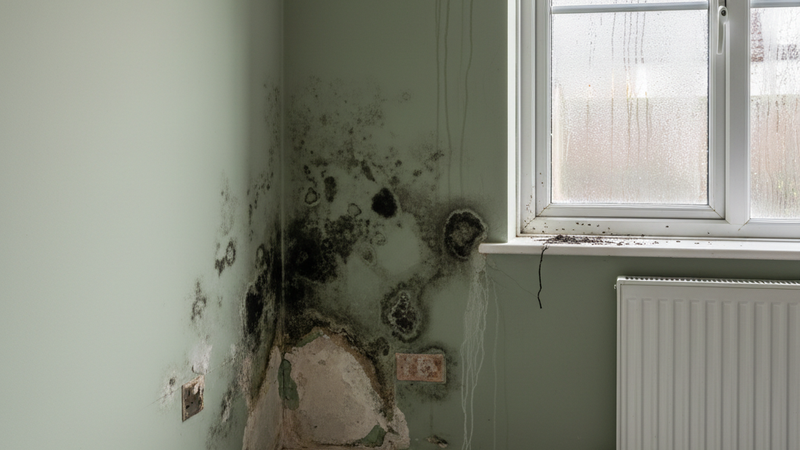
The appearance of 'new mould' in a property can be a distressing and often alarming discovery for homeowners and businesses across the UK. This unwelcome growth typically signals an underlying moisture issue, demanding prompt and effective attention to protect both the building's integrity and the health of its occupants. Understanding the implications of fresh mould outbreaks is crucial for timely intervention and successful remediation.
Understanding 'New Mould' and Its Significance
When we refer to 'new mould', we typically mean mould growth that has recently appeared or expanded in an area where it wasn't previously visible, or where it has recurred after a previous cleaning attempt. Its presence is a clear indicator that conditions are ripe for fungal proliferation.
What Constitutes 'New Mould' Growth?
New mould growth can manifest in various ways, from small, isolated spots to larger, rapidly expanding patches. It often appears as fuzzy, slimy, or powdery textures in shades of black, green, white, or orange. Its distinctive musty odour is often the first sign, even before visible growth. The term 'new' implies recent onset, distinguishing it from long-standing, chronic mould issues that might have been ignored or hidden.
Common Causes of Recent Mould Outbreaks
Mould thrives in damp, humid environments. New outbreaks are almost always linked to a fresh or worsening source of moisture. Common culprits include:
- Water leaks: Burst pipes, leaky roofs, overflowing sinks, or faulty appliances can introduce significant moisture.
- Condensation: Poor ventilation combined with warm, moist air (e.g., from cooking, showering, drying clothes indoors) leads to condensation on cold surfaces.
- Flooding: Even minor flooding can leave residual moisture in porous materials.
- Penetrating damp: Water seeping through walls due to structural defects or damaged brickwork.
- Rising damp: Moisture rising from the ground through capillary action in walls.
- High indoor humidity: Sustained relative humidity above 60% creates an ideal breeding ground for mould spores.
Important point
New mould growth is never just a surface issue; it always points to an underlying moisture problem that must be identified and rectified to prevent recurrence.
Health and Safety Concerns of New Mould in UK Properties
Mould is not just an aesthetic problem; it poses significant health risks, particularly for vulnerable populations. The presence of mould, whether new or old, can lead to a range of respiratory and allergic reactions.
Potential Health Impacts
Exposure to mould spores can trigger various symptoms, from mild irritation to serious chronic conditions. The NHS provides information on the health effects of damp and mould, noting that it can:
- Worsen existing respiratory conditions like asthma and COPD.
- Cause allergic reactions, including sneezing, runny nose, red eyes, and skin rashes.
- Lead to respiratory infections, particularly in individuals with weakened immune systems.
- Induce symptoms like coughing, wheezing, throat irritation, and shortness of breath.
- Contribute to headaches and fatigue.
Children, the elderly, individuals with pre-existing respiratory issues, and those with compromised immune systems are particularly susceptible to these health impacts. The Health and Safety Executive (HSE) also highlights mould as a biological hazard in workplaces, emphasising the need for its control to protect employee health.
Risk Factors and Vulnerable Groups
Several factors can increase an individual's susceptibility to mould-related health issues:
- Age: Infants, young children, and the elderly often have more sensitive respiratory systems.
- Pre-existing conditions: Asthma, allergies, chronic obstructive pulmonary disease (COPD), and other respiratory illnesses.
- Immunocompromised individuals: Those undergoing chemotherapy, organ transplant recipients, or individuals with autoimmune diseases.
- Occupational exposure: Workers in damp buildings may have prolonged exposure.
Key takeaway
Never ignore new mould growth. Prompt action is vital to mitigate health risks and prevent further structural damage. Consult the UKHSA guidance on damp and mould for more health advice regarding damp and mould.
UK Regulations and Industry Standards for Mould Remediation
In the UK, a framework of regulations and industry guidelines governs how mould issues, especially in rented properties and workplaces, should be addressed. Adherence to these standards ensures effective remediation and legal compliance.
IICRC S520: The Gold Standard for Mould Remediation
The Institute of Inspection, Cleaning and Restoration Certification (IICRC) S520 standard, titled 'Standard for Professional Mould Remediation', is internationally recognised and serves as the authoritative guideline for professional mould removal. Although not legally binding in the UK, it represents best practice and is widely adopted by reputable remediation companies. Key principles include:
- Assessment: Thorough inspection to determine the extent of contamination and the source of moisture.
- Containment: Preventing the spread of mould spores to unaffected areas during remediation.
- Source elimination: Repairing the moisture problem that caused the mould.
- Removal: Physical removal of mould-contaminated materials.
- Drying: Ensuring all affected materials are thoroughly dried to prevent re-growth.
- Cleaning and sanitisation: Cleaning remaining surfaces and materials.
- Verification: Post-remediation inspection and testing to confirm the success of the project.
Following IICRC S520 ensures a comprehensive and effective approach, safeguarding both the property and its occupants. You can learn more about their standards on the IICRC website.
UK Legislation: HHSRS and Awaab's Law
For landlords and housing providers, specific UK legislation mandates a duty of care regarding mould and damp:
- Housing Health and Safety Rating System (HHSRS): This framework assesses housing conditions and identifies potential hazards, including damp and mould, which are considered Category 1 hazards if severe enough. Landlords have a legal obligation to address these.
- Awaab's Law: Following the tragic death of Awaab Ishak, regulations made under the Social Housing (Regulation) Act 2023 have been in force in England since 27 October 2025. They set strict deadlines for social landlords: investigate damp and mould within 10 working days and begin making significant hazards safe within 5 working days. While primarily for social housing, it sets a precedent for improved standards across the rental sector. Learn more about its impact on our Awaab's Law article.
Private landlords also have responsibilities under the Homes (Fitness for Human Habitation) Act 2018 to ensure their properties are fit for habitation, which includes being free from damp and mould that could affect health.
Professional Mould Remediation Process for New Growth
Addressing new mould growth effectively requires a structured, professional approach that goes beyond mere surface cleaning. A professional remediation process adheres strictly to IICRC S520 guidelines to ensure thorough and lasting results.
Initial Assessment and Source Identification
The first critical step is a detailed inspection by certified mould remediation specialists. This involves:
- Visual Inspection: Identifying visible mould, extent of damage, and affected materials.
- Moisture Mapping: Using moisture meters, thermal imaging cameras, and hygrometers to precisely locate moisture sources and saturation levels.
- Air Quality Testing (if necessary): To determine airborne spore levels and types of mould present, especially if mould is suspected but not visible.
- Root Cause Analysis: Pinpointing the exact cause of the moisture intrusion (e.g., leaky pipe, condensation, rising damp) to ensure it can be permanently resolved.
Without identifying and fixing the moisture source, mould will inevitably return.
Containment, Removal, and Cleaning
Once the source is identified and repaired, the physical remediation begins:
- Containment: Setting up physical barriers (e.g., polyethylene sheeting) and negative air pressure to prevent spores from spreading to unaffected areas during removal.
- Air Filtration: Using High-Efficiency Particulate Air (HEPA) filters to clean the air within the contained area.
- Material Removal: Non-salvageable materials (e.g., porous drywall, insulation, carpets heavily contaminated with mould) are carefully removed, double-bagged, and disposed of according to regulations.
- Surface Cleaning: Non-porous surfaces are thoroughly cleaned with appropriate antimicrobial solutions and then HEPA vacuumed to remove residual spores.
- Drying: Industrial-grade dehumidifiers and air movers are used to thoroughly dry all remaining building materials to safe moisture levels, preventing future growth.
Post-Remediation Verification
The final stage ensures the remediation has been successful and the environment is safe:
- Visual Inspection: A thorough check to confirm all mould and mould-damaged materials have been removed and surfaces are clean.
- Moisture Reading: Re-testing moisture levels to confirm dryness.
- Post-Remediation Air Testing (optional but recommended): To verify that airborne spore counts have returned to normal, healthy levels.
- Clearance Report: Providing documentation that the remediation has been completed effectively and the area is safe for re-occupancy.
Prevention and Maintenance to Avoid New Mould Growth
Preventing new mould growth is always more cost-effective and healthier than dealing with an outbreak. Proactive measures are key to maintaining a mould-free environment.
Controlling Humidity and Ventilation
Moisture management is paramount:
- Ventilation: Ensure good airflow throughout your property. Open windows regularly, especially after showering or cooking. Use extractor fans in kitchens and bathrooms.
- Dehumidifiers: In areas prone to high humidity (e.g., basements, utility rooms), consider using a dehumidifier to keep relative humidity below 60%.
- Drying Laundry: If possible, dry clothes outdoors or in a well-ventilated room with a window open and/or a dehumidifier running.
- Heating: Maintain a consistent, moderate temperature throughout your home to prevent cold spots where condensation can form.
Regular Property Maintenance and Repairs
Addressing issues promptly can prevent small problems from becoming significant mould challenges:
- Fix Leaks Immediately: Repair leaky roofs, pipes, and plumbing fixtures without delay.
- Inspect Guttering: Ensure gutters and downpipes are clear and directing water away from the property foundations.
- Seal Cracks: Caulk and seal cracks around windows, doors, and foundations to prevent water intrusion.
- Check for Penetrating Damp: Regularly inspect external walls for signs of dampness or damage to render/brickwork.
- Clean Regularly: Wipe down surfaces in bathrooms and kitchens to remove moisture and prevent mildew build-up.
When to Call Professional Mould Remediation Specialists
While small patches of mould might be tackled by a competent DIY enthusiast, there are clear instances where professional intervention is not only advisable but essential for effective and safe mould removal.
Signs Indicating Professional Help is Needed
You should contact a professional mould remediation company if:
- Area Exceeds 1 Square Metre: General industry guidance recommends professional help for areas larger than 1 square metre (roughly a 3ft x 3ft patch).
- Strong, Persistent Musty Odour: This often indicates hidden mould growth within walls or under flooring.
- Recurrent Mould: If mould keeps coming back after your cleaning attempts, the underlying moisture issue hasn't been resolved.
- Health Concerns: If occupants are experiencing mould-related health symptoms.
- Post-Flood/Water Damage: After any significant water intrusion, mould can quickly become widespread and deep-seated.
- Mould in HVAC Systems: This requires specialised cleaning to prevent spores from circulating throughout the property.
- Vulnerable Occupants: If children, elderly, or immunocompromised individuals live or work in the property.
- Rented Property/Workplace: Landlords and employers have legal obligations to ensure properties are mould-free, often requiring certified remediation.
Attempting to remove extensive mould without proper equipment or training can worsen the problem by spreading spores and exposing individuals to higher health risks.
Benefits of Certified Professional Remediation
Engaging certified mould remediation specialists offers numerous advantages:
- Expertise: Trained professionals understand mould biology, moisture dynamics, and effective remediation techniques.
- Safety: They use appropriate Personal Protective Equipment (PPE) and containment protocols to protect occupants and workers.
- Equipment: Access to industrial-grade drying equipment, HEPA vacuums, and air scrubbers for thorough cleaning and drying.
- Root Cause Resolution: Professionals identify and address the source of moisture, preventing future recurrence.
- Verification: Post-remediation testing ensures the job is complete and the environment is safe.
- Peace of Mind: Knowing the problem has been dealt with comprehensively and safely.
- Compliance: Especially important for landlords and businesses to meet legal and health and safety requirements (see gov.uk guidance).
Considering the cost?
While it's difficult to give an exact figure without an assessment, you can get an estimate of potential costs using our mould removal cost calculator.
Dealing with 'new mould' growth requires immediate and informed action. By understanding its causes, health implications, and the importance of professional remediation following UK regulations and IICRC S520 standards, you can effectively protect your property and the health of its occupants. Don't hesitate to seek professional help for any significant mould issue; it’s an investment in your property's longevity and your well-being. For more information and expert advice, explore our comprehensive blog.