Green Dust Mold: Identification, Risks & UK Remediation
Discover what green dust mold is, its health risks, and effective remediation strategies in the UK. Learn how to prevent it and when to call professionals.
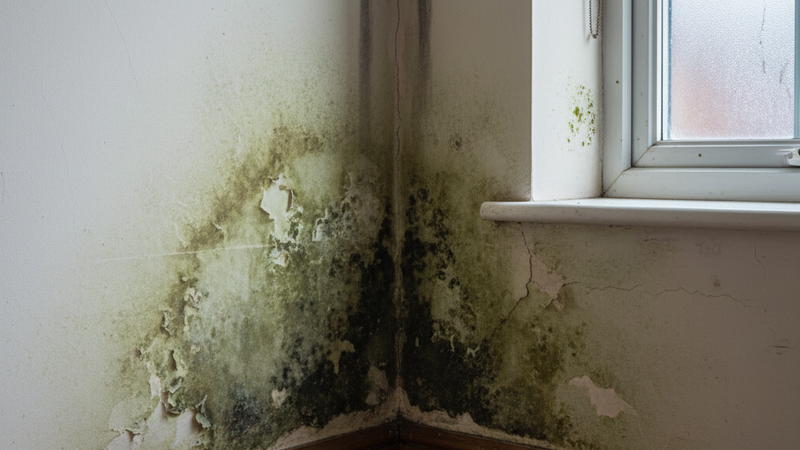
Green dust mold is a common and often concerning sight in many UK homes and businesses. While its appearance can range from powdery to fuzzy, and its colour might vary, understanding this type of mold is crucial for maintaining a healthy indoor environment. This comprehensive guide will explore what green dust mold is, its potential health impacts, UK regulations, and essential steps for both professional remediation and effective prevention.
Understanding Green Dust Mold: Identification and Causes
Many species of mold can appear green, often with a dusty or powdery texture. This visual characteristic is a general descriptor rather than a specific scientific classification, making accurate identification of the underlying issues vital for effective treatment. Understanding the conditions that foster its growth is the first step towards effective management.
Common Green Mold Species
Several mold types commonly found in UK properties can present as green, dusty formations. Two of the most prevalent genera are Penicillium and Aspergillus.
- Penicillium: Often found on water-damaged materials, food, and insulation. It can appear blue-green, grey-green, or even white with green spots. Its dusty appearance is due to the presence of spores.
- Aspergillus: A very common indoor mold that can be green, black, white, or yellow. It frequently grows on damp walls, carpets, and decaying organic matter. It often has a powdery or granular texture.
- Cladosporium: While often appearing olive-green or brown, some strains can present as a darker green, particularly on window sills, bathrooms, and textiles.
While visual identification can provide an initial indication, laboratory testing is often required for definitive species identification, especially in cases of extensive growth or health concerns.
Key Environmental Factors for Growth
All molds, including those appearing as green dust, require three fundamental elements to thrive: moisture, a food source, and suitable temperatures. In the UK, high humidity and condensation are particularly common culprits.
- Moisture: This is the most critical factor. Sources include plumbing leaks, roof leaks, rising damp, condensation (especially in bathrooms, kitchens, and poorly ventilated rooms), and high indoor humidity levels (above 60%).
- Food Source: Mold can digest almost any organic material found in homes, including plasterboard, wood, fabric, wallpaper, insulation, and dust.
- Temperature: While mold can grow in a wide range of temperatures, most species prefer moderate indoor temperatures, typically between 20-30°C.
Poor ventilation exacerbates moisture problems, trapping damp air and creating ideal breeding grounds for mold spores to settle and grow.
Important point
Never attempt to dry brush or vacuum mold without proper precautions. This can release millions of spores into the air, spreading contamination and increasing exposure risks.
Health and Safety Concerns Associated with Green Dust Mold
Exposure to mold, regardless of its colour, can pose significant health risks, particularly for vulnerable populations. The UK's National Health Service (NHS) and the Health and Safety Executive (HSE) both provide guidance on the dangers of mold in indoor environments, emphasising the importance of addressing it promptly.
Potential Health Effects of Mold Exposure
Mold produces allergens, irritants, and sometimes toxic substances (mycotoxins). Inhaling or touching mold spores can lead to a range of health issues, varying in severity depending on the individual's sensitivity, the type of mold, and the extent of exposure.
- Allergic Reactions: Common symptoms include sneezing, runny nose, red eyes, skin rash, and asthmatic reactions like wheezing or difficulty breathing. People with pre-existing allergies or asthma are particularly susceptible.
- Irritation: Mold can irritate the eyes, skin, nose, throat, and lungs, leading to symptoms like coughing and sore throat.
- Respiratory Issues: Prolonged exposure can worsen existing respiratory conditions and potentially contribute to the development of new ones, including 'mold-induced asthma'.
- More Severe Conditions: In rare cases, especially for individuals with severely compromised immune systems, mold can cause serious infections (e.g., aspergillosis), particularly in the lungs.
The UKHSA guidance on damp and mould provides further details on mold's impact on health.
Vulnerable Populations and Increased Risk
Certain groups are more vulnerable to the adverse health effects of mold exposure:
- Infants and Children: Their developing respiratory systems are more sensitive.
- Elderly Individuals: Often have weaker immune systems and pre-existing health conditions.
- Individuals with Respiratory Conditions: Asthma, COPD, and other lung diseases can be severely exacerbated.
- Immunocompromised Individuals: Those undergoing chemotherapy, organ transplant recipients, or people with HIV/AIDS are at higher risk of mold infections.
- People with Allergies or Chronic Sinusitis: More likely to experience severe allergic reactions.
The Health and Safety Executive (HSE) provides guidance for employers and landlords on managing mold risks in workplaces and residential properties, highlighting their duty of care.
UK Regulations and Industry Standards for Mold Remediation
In the UK, addressing mold goes beyond health concerns; it involves compliance with specific housing standards and industry best practices. Understanding these regulations is crucial for both landlords and homeowners.
Housing Health and Safety Rating System (HHSRS)
The HHSRS is a risk-assessment tool used by local authorities to assess potential hazards in residential properties in England and Wales. Damp and mould growth are explicitly listed as a Category 1 hazard if severe enough to pose a significant risk to health.
- Landlord Responsibilities: Under the Housing Act 2004, councils must take enforcement action where a Category 1 hazard is found, and landlords must keep their properties fit for habitation under the Homes (Fitness for Human Habitation) Act 2018. Failure to address significant mold issues can lead to enforcement action by local councils, including improvement notices and even prosecution.
- Tenant Rights: Tenants experiencing significant damp and mould should report it to their landlord. If no action is taken, they can contact their local council's environmental health department. Awaab's Law, in force for social landlords in England since 27 October 2025, further strengthens tenant protection by setting strict deadlines for those landlords to address hazards like mould.
More information on HHSRS can be found on the gov.uk website.
IICRC S520 and Industry Best Practices
While not a legally binding regulation in the UK, the Institute of Inspection, Cleaning and Restoration Certification (IICRC) S520 Standard for Professional Mold Remediation is the globally recognised benchmark for professional mold removal. It outlines comprehensive procedures for safe and effective remediation.
- Containment: Establishing physical barriers to prevent cross-contamination.
- PPE: Mandating appropriate Personal Protective Equipment for technicians.
- Source Identification and Rectification: Crucially, finding and fixing the moisture source that caused the mold.
- Removal of Contaminated Materials: Not just cleaning, but often safely removing and disposing of porous materials.
- Cleaning and Disinfection: Using appropriate methods for non-porous surfaces.
- Drying and Verification: Ensuring materials are thoroughly dried and conducting post-remediation verification (PRV) to confirm successful removal.
Professional remediators in the UK who adhere to IICRC S520 principles ensure that mold is not just superficially cleaned, but thoroughly and safely removed, preventing recurrence and protecting occupants. You can learn more about IICRC S520 directly from their website.
The Professional Mold Remediation Process
When facing significant green dust mold growth, particularly areas larger than 1 square meter, or if occupants are experiencing health symptoms, professional remediation is highly recommended. A professional remediation process follows the robust guidelines of the IICRC S520 to ensure thorough and safe removal.
Assessment and Containment
The remediation process begins with a detailed assessment to understand the extent of the mold contamination and, critically, to identify and address the underlying moisture source.
- Initial Assessment: Identifying the type and extent of mold, determining the moisture source (e.g., leaks, condensation, rising damp), and assessing affected materials. This often involves moisture metres, thermal imaging, and visual inspection.
- Moisture Source Rectification: The moisture problem MUST be fixed before remediation can effectively begin. This might involve plumbing repairs, improving ventilation, or addressing structural issues.
- Containment Setup: For significant mold growth, professional remediators establish containment zones using plastic sheeting, negative air pressure machines (air scrubbers with HEPA filters), and zippered entries. This prevents spores from spreading to unaffected areas during the removal process.
- Air Filtration: HEPA air scrubbers are run continuously within the containment to capture airborne mold spores, purifying the air.
Removal, Cleaning, and Verification
Once containment is secure and the moisture source is addressed, the physical removal of mold can commence, followed by thorough cleaning and a final verification step.
- Material Removal: Porous materials heavily contaminated with mold (e.g., plasterboard, insulation, carpets) are carefully removed, double-bagged in sealed containers, and disposed of according to local waste regulations.
- Surface Cleaning: Non-porous surfaces (e.g., metal, plastic, glass, sealed wood) are thoroughly cleaned using specialised mold-removal agents and techniques, followed by HEPA vacuuming to remove all residues and spores.
- Structural Drying: After cleaning, affected areas are dried using commercial dehumidifiers and air movers to bring moisture levels down to acceptable standards, preventing future growth.
- Post-Remediation Verification (PRV): A crucial final step. This involves a visual inspection, moisture readings, and potentially air or surface sampling (by an independent third party) to confirm that the mold has been successfully removed and the environment is safe.
Our professional teams are equipped with the necessary PPE, tools, and expertise to execute these steps safely and efficiently, minimising disruption and ensuring long-term results. For details on potential costs, check our cost calculator.
Prevention and Maintenance Strategies
Preventing green dust mold from taking hold is far more cost-effective and healthier than dealing with an infestation. Proactive measures focusing on moisture control are key.
Controlling Moisture and Humidity
Addressing the root cause – excess moisture – is the most effective way to prevent mold growth in your UK property.
- Ventilation: Ensure adequate ventilation, especially in moisture-prone areas like kitchens, bathrooms, and utility rooms. Use extractor fans during and after showering/cooking, and open windows regularly, even for short periods.
- Fix Leaks Promptly: Regularly inspect for and immediately repair any plumbing leaks, roof leaks, or rising damp issues. Don't let water damage linger.
- Manage Condensation: Reduce indoor humidity by using dehumidifiers in damp areas, drying clothes outdoors or in a well-ventilated space, and ensuring good insulation to keep surfaces warmer. Avoid drying clothes on radiators.
- Maintain Gutters and Drainage: Ensure external gutters are clear and downpipes direct water away from the property's foundation to prevent water ingress.
Consistent moisture control is the cornerstone of mold prevention.
Regular Cleaning and Monitoring
Beyond moisture control, routine cleaning and vigilance play an important role in catching and addressing potential mold issues early.
- Clean Regularly: Dust and clean surfaces regularly, especially in areas prone to dampness. Using a damp cloth with a mild detergent is generally sufficient for surface dirt that might harbour spores.
- Monitor High-Risk Areas: Pay particular attention to bathrooms, kitchens, basements, utility rooms, and areas around windows for any signs of dampness or small patches of mold.
- Check for Musty Odours: A persistent musty or earthy smell is often the first indicator of hidden mold growth, even before it becomes visible.
- Improve Air Circulation: Avoid overcrowding furniture against external walls, which can restrict airflow and create cold spots prone to condensation and mold.
When to Call Professional Mold Remediation Specialists
While small patches of surface mold can sometimes be managed by homeowners, there are specific scenarios where calling in experts like us is not just advisable, but essential for health and property integrity.
Indicators for Professional Intervention
Knowing when to escalate from DIY cleaning to professional help can save you time, money, and potential health risks.
- Large Areas of Growth: If mold covers an area larger than 1 square meter (roughly 10 square feet), or if it's spread across multiple rooms, professional containment and removal are necessary.
- Hidden Mold: If you detect a strong musty odour but cannot see visible mold, it likely indicates hidden growth behind walls, under flooring, or in ceiling cavities, requiring professional investigation.
- Health Concerns: If occupants are experiencing persistent mold-related health symptoms (respiratory issues, allergies) that improve when away from the property, professional assessment is crucial.
- Recurrent Mold: If mold keeps returning after DIY cleaning, it indicates that the underlying moisture source has not been adequately addressed, or the removal was not thorough enough.
- Contaminated HVAC Systems: Mold in air conditioning or heating ducts requires specialised cleaning to prevent widespread spore distribution.
- Post-Flood or Water Damage: Properties affected by significant water damage (e.g., burst pipes, flooding) are highly susceptible to extensive mold growth, often requiring expert intervention to dry and remediate thoroughly.
The Value of Certified Specialists
Engaging IICRC-certified mold remediation specialists ensures that the job is done safely, effectively, and in compliance with industry best practices.
- Expertise: Professionals have the knowledge to correctly identify mold types, locate hidden moisture sources, and assess the extent of contamination.
- Safety: They use appropriate Personal Protective Equipment (PPE) and containment procedures to protect occupants and prevent cross-contamination.
- Specialised Equipment: Access to industrial-grade dehumidifiers, air scrubbers, HEPA vacuums, and professional-grade biocides for thorough removal and drying.
- Long-Term Solutions: Professionals focus not just on removing visible mold but also on addressing the root cause to prevent future recurrence.
- Post-Remediation Verification: Ensuring the property is returned to a healthy state, often with independent testing.
For peace of mind and a truly healthy environment, professional mold remediation is an investment in your property and your well-being. Feel free to explore more of our blog for related topics.