Types of mould and how to spot them
What the different colours and types of mould look like, how to tell mould from mildew and other marks, and what the colour can and cannot tell you.
Start with these
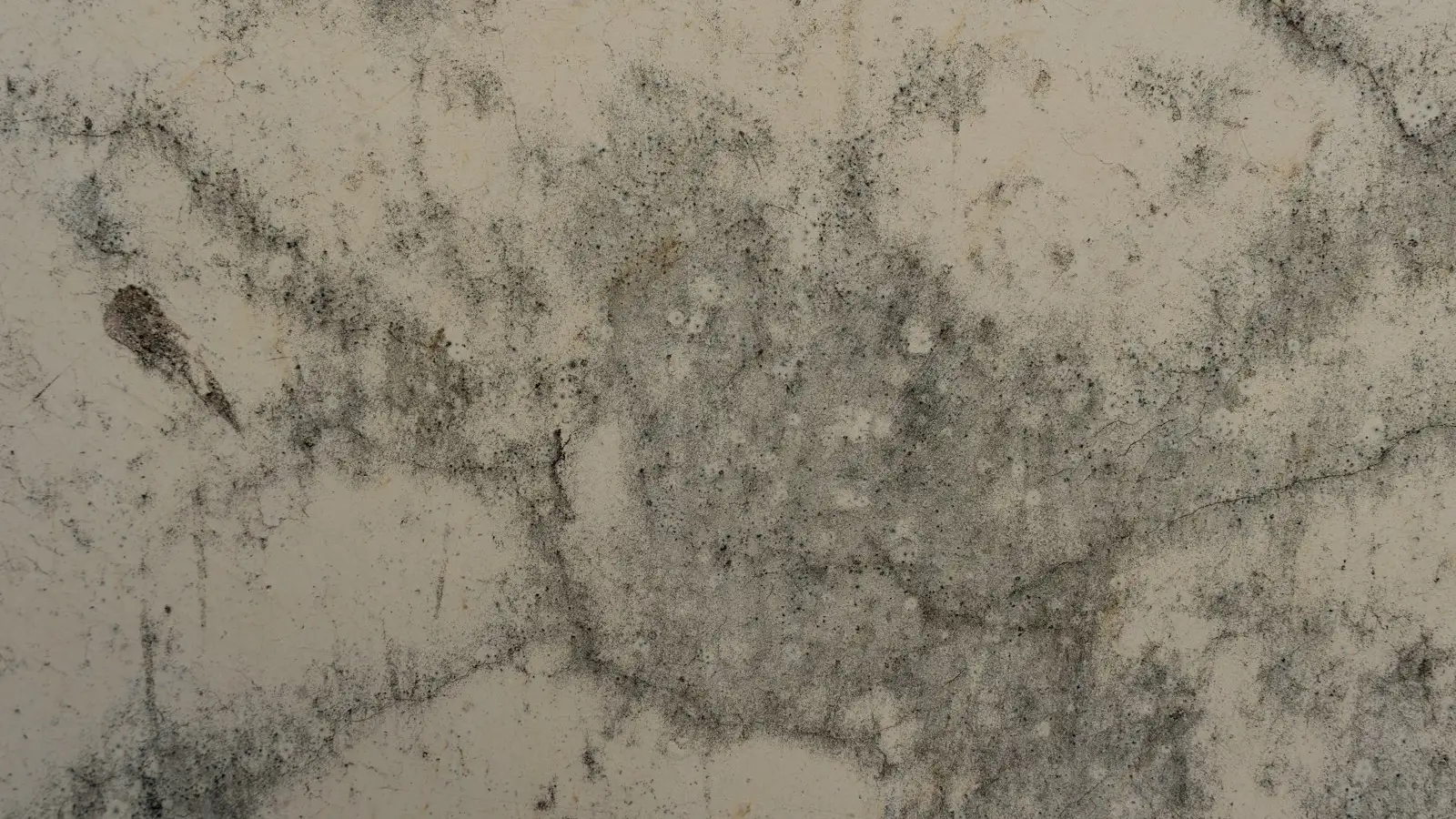
What does mould look like? Colours, textures and lookalikes
How mould usually looks in a UK home, from flat black spots to fuzzy white or green patches, where it tends to form, what can be mistaken for it, and what to do once you have found it.
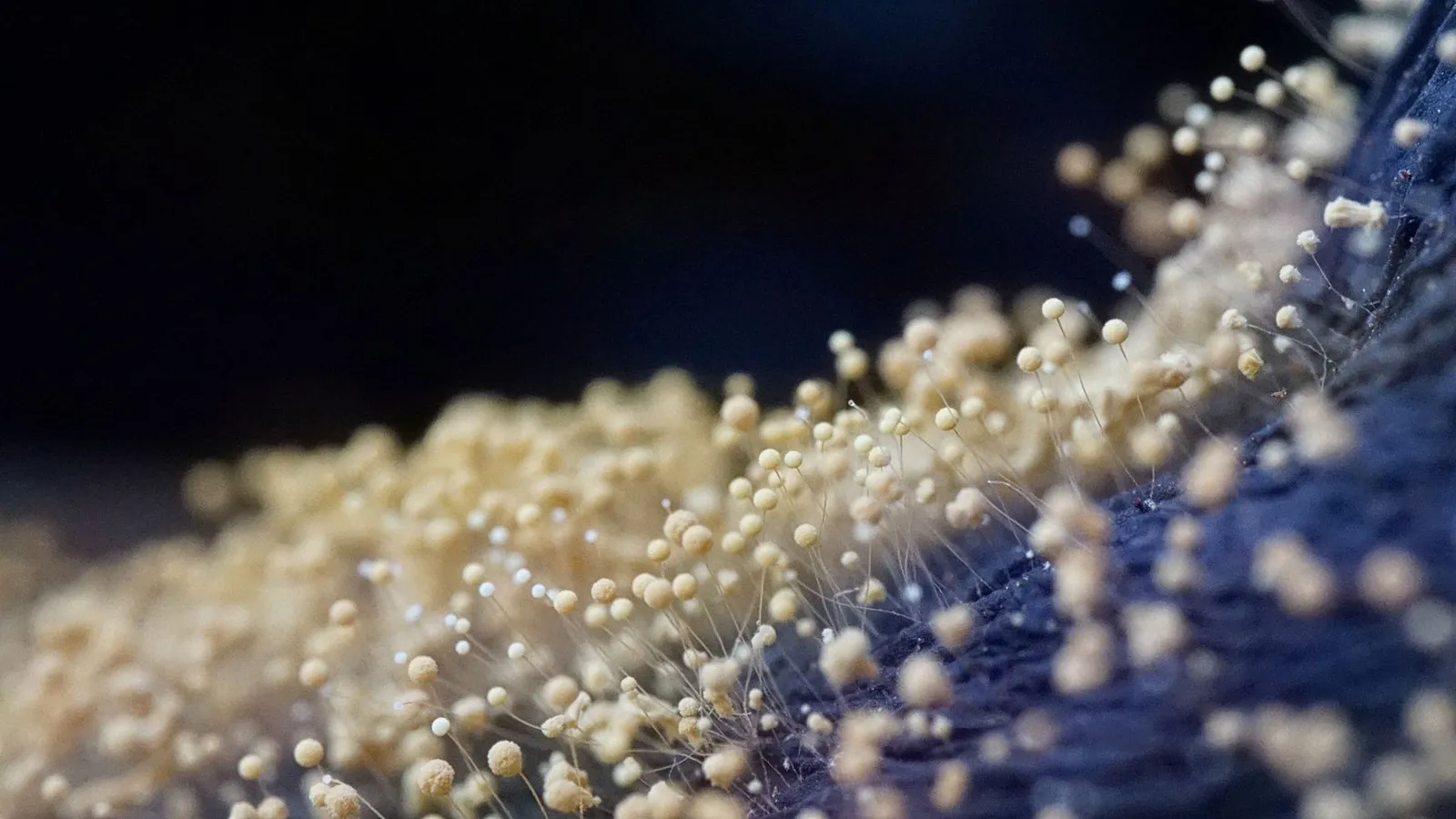
How to recognise white fluffy mould on walls, furniture, clothes and timber, how to tell it from salt deposits and rot, and how to remove it safely.
Types of mould on walls in UK homes, and what each tells you
The common types of mould found on walls in UK homes, what the World Health Organization says about the moisture each needs, which carry particular health risks, and how the pattern on the wall points to the cause.
Mould images: what mould looks like room by room
A room-by-room description of what mould typically looks like in UK homes, from bathroom sealant to wardrobes and lofts, plus how to photograph mould so the images are useful to a landlord or surveyor.
Green mould in the home: what it is, is it harmful, and how to remove it
What green mould is, why it grows in homes, what the official health guidance says about it, and how to remove small patches safely and stop them returning.
Red or pink mould on walls: what it is and what to do
What red, pink or orange growth on walls and in bathrooms usually is, including the common bathroom bacterium that is often mistaken for mould, and how to deal with each.
Every guide on this topic
Types and pictures
- Dry mould on walls: does it still need dealing with?
Why mould on a wall can look dry and powdery, whether it is still a problem once the wall has dried out, how it differs from dry rot, and how to clean it without spreading spores.
- Mould images: what mould looks like room by room
A room-by-room description of what mould typically looks like in UK homes, from bathroom sealant to wardrobes and lofts, plus how to photograph mould so the images are useful to a landlord or surveyor.
- New mould appearing: why it starts and what to do first
Why mould suddenly appears in a home, what has usually changed, and what to do first: record it, clean small patches safely, and find the source of moisture before it comes back.
- Types of bathroom mould: black spots, green fuzz and pink slime
The growths you are most likely to find in a UK bathroom, what each one is, and how to clean them and stop them returning, based on the government damp and mould guidance.
- Types of mould on walls in UK homes, and what each tells you
The common types of mould found on walls in UK homes, what the World Health Organization says about the moisture each needs, which carry particular health risks, and how the pattern on the wall points to the cause.
- What does mould look like? Colours, textures and lookalikes
How mould usually looks in a UK home, from flat black spots to fuzzy white or green patches, where it tends to form, what can be mistaken for it, and what to do once you have found it.
Colours
- Green dust on walls or belongings: is it mould, and what to do
How to tell whether a green powdery dust in your home is mould, why it appears on walls, shoes, leather and furniture, and how to clean it without spreading the spores.
- Green fluffy mould: what it means and how to deal with it
Why mould sometimes grows as a raised, fluffy green patch, where it appears in homes, what the health guidance says, and how to remove it safely and stop it returning.
- Green mould in the bathroom: why it grows and how to get rid of it
Why green mould grows in bathrooms, on grout, sealant, ceilings and walls, how to clean it safely, and the ventilation fixes the government guidance recommends.
- Green mould in the bedroom: causes, health and what to do
Why green mould grows in bedrooms, behind beds and wardrobes and around windows, what the health guidance says about sleeping in a mouldy room, and how to remove it and stop it returning.
- Green mould in the home: what it is, is it harmful, and how to remove it
What green mould is, why it grows in homes, what the official health guidance says about it, and how to remove small patches safely and stop them returning.
- Grey mould on walls: what it is and how to deal with it
What grey mould on a wall usually is, how it differs from the garden disease of the same name, why it grows, and how to remove it safely and stop it coming back.
- Light mould on walls: when you can clean it yourself
What counts as light mould on a wall, how to clean a small amount safely using the method in the government guidance, and the signs that it is a bigger problem than it looks.
- Red or pink mould on walls: what it is and what to do
What red, pink or orange growth on walls and in bathrooms usually is, including the common bathroom bacterium that is often mistaken for mould, and how to deal with each.
- White fluffy mould: what it is and what to do about it
How to recognise white fluffy mould on walls, furniture, clothes and timber, how to tell it from salt deposits and rot, and how to remove it safely.
- White mould in the house: how to identify it and get rid of it
What white mould in a house is, how to tell it apart from efflorescence (salt deposits), what the health guidance says, and how to remove it safely and stop it coming back.
Spelling and meaning
- Mould or mold: which spelling is right in the UK?
Mould is the British spelling and mold the American one. This guide explains both meanings of the word, the related words mouldy, moulding and moulded, and where to find UK advice on mould in the home.
Other topics
- Tenants, landlords and the lawWhat Awaab's Law means for renters, landlords and housing staff, and who is trained to deal with damp and mould.
- Mould and your healthWhat mould exposure can do to your body, who is most at risk, and when to worry.
- Causes, damp and condensationWhy mould and damp appear in a home, and how fast they take hold.
- Removing mouldHow to clean and treat mould, grouped by room, surface and material.
- Preventing mouldHow to stop mould forming or coming back, from ventilation to sprays and proofing.
- Costs, tests and professionalsWhat mould removal costs, how mould is tested and inspected, and when to call a specialist.