Mould in Kitchen: UK Guide to Remediation & Prevention
Discover effective UK strategies for identifying, removing, and preventing kitchen mould, safeguarding your home and health with expert advice.
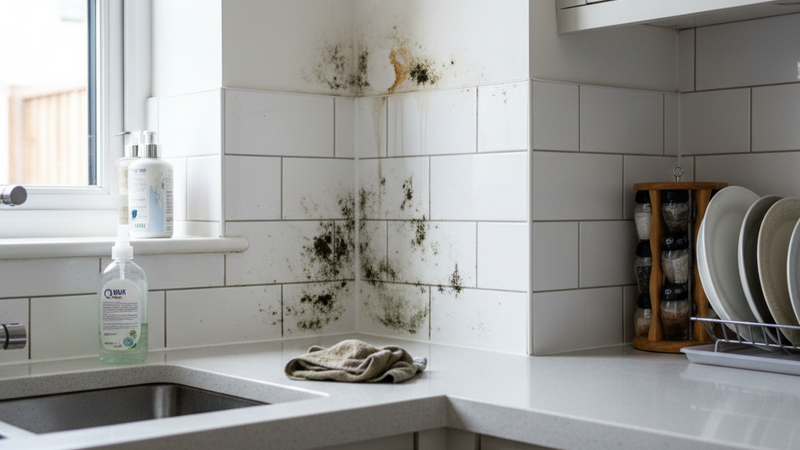
Mould in the kitchen is a common yet concerning issue for many UK homeowners and tenants. This damp, often hidden adversary not only looks unsightly and produces a musty odour but can also pose significant health risks and compromise the structural integrity of your property.
Understanding its causes, identifying its presence, and knowing the correct remediation steps are crucial for maintaining a healthy and safe living environment.
Understanding Kitchen Mould Growth
Mould thrives in environments with excess moisture, a food source, and suitable temperatures. Kitchens, with their inherent humidity from cooking, dishwashing, and often poor ventilation, coupled with organic materials like food spills and grease, provide an ideal breeding ground for various mould species.
Common Causes of Kitchen Mould
Several factors contribute to mould growth in kitchens. Identifying these underlying issues is the first step towards effective prevention and long-term remediation.
- High Humidity: Cooking, boiling kettles, and dishwashers release significant amounts of moisture into the air. Without adequate extraction, this moisture condenses on cooler surfaces, leading to perfect conditions for mould.
- Leaks and Water Damage: Hidden leaks from plumbing under sinks, behind dishwashers, or from refrigerators can saturate building materials, creating persistent dampness that fuels mould growth. Even small, undetected leaks can lead to extensive mould colonies over time.
- Poor Ventilation: Many kitchens in older UK properties lack sufficient mechanical ventilation (extractor fans). Natural ventilation through windows is often insufficient, especially in colder months when they are kept closed.
- Condensation: Cold surfaces, especially those near windows, external walls, or on tiled surfaces, are prone to condensation when warm, moist air cools rapidly upon contact.
- Food & Organic Matter: Spills, crumbs, and even lingering food vapours provide a nutrient source for mould spores to establish and grow.
Where Mould Hides in Kitchens
Mould isn't always obvious. It can often be found in discreet or hard-to-reach areas of your kitchen.
- Behind and under sinks, especially around pipework
- Grout lines and silicone seals in tiled areas
- Inside and around window frames
- Behind appliances like refrigerators and dishwashers
- Inside cupboards, particularly those housing plumbing or along external walls
- On ceilings and high walls, especially in corners
Health & Safety Concerns with Kitchen Mould
Beyond the aesthetic issues, mould can significantly impact health, especially in an area where food is prepared and consumed. The NHS provides guidance on the health effects of damp and mould.
Potential Health Ramifications
Exposure to mould spores can trigger a range of health problems, varying in severity depending on the individual's sensitivity and the type of mould present.
- Respiratory Issues: Common symptoms include sneezing, coughing, runny nose, congestion, and irritation of the eyes, nose, and throat.
- Exacerbation of Asthma & Allergies: Individuals with existing respiratory conditions are particularly vulnerable, experiencing worsened symptoms or even asthma attacks.
- Skin Irritation: Rashes or dermatitis can occur from direct contact with mould.
- Weakened Immune Systems: Those with compromised immune systems, the very young, and the elderly are at higher risk of more severe reactions and infections.
- Fatigue and Headaches: Some individuals report general malaise, fatigue, and headaches in mould-affected environments.
Important point
UK public health guidance is that mould should always be treated as a potential health hazard. Never ignore signs of mould, especially black mould, which can produce mycotoxins that are particularly harmful.
Food Contamination Risk
Mould in the kitchen poses a direct risk to food safety. Spores can easily settle on exposed food items, cutting boards, or utensils. While some food moulds are harmless, many produce toxins or can cause spoilage, making food unsafe to eat. Maintaining a clean, mould-free kitchen reduces this exposure risk significantly.
UK Regulations and Standards for Mould Remediation
In the UK, both landlords and homeowners have responsibilities regarding damp and mould. Understanding these regulations ensures proper action is taken.
Landlord Responsibilities and Awaab's Law
Landlords have a legal obligation to ensure their properties are fit for human habitation under the Homes (Fitness for Human Habitation) Act 2018. This includes addressing issues of damp and mould. The tragic case of Awaab Ishak highlighted the severe consequences of neglected mould. This led to Awaab's Law, in force in England since 27 October 2025, which places stricter duties on social landlords to investigate and fix hazards like mould within specified timeframes. While primarily targeting social housing, its principles underscore the broader responsibility for all landlords.
Housing Health and Safety Rating System (HHSRS)
The HHSRS is a risk assessment tool used by local authorities to identify hazards in residential properties, including damp and mould. Severe damp and mould can be categorised as a Category 1 hazard, requiring immediate action from the landlord. This system ensures properties meet a safe living standard.
IICRC S520 Guidelines
While not a UK legal standard, the IICRC S520 Standard for Professional Mould Remediation is the internationally recognised benchmark for effective and safe mould removal. Professional UK mould remediators adhere to these guidelines, which ensure a comprehensive approach involving containment, air filtration, moisture source elimination, and thorough removal of contaminated materials to prevent recurrence and protect occupants during the process. This standard is crucial for ensuring that remediation is not just surface-level cleaning but a deep, restorative process.
Professional Mould Remediation Process
When kitchen mould is extensive or deep-seated, professional intervention is necessary. A professional approach follows IICRC S520 guidelines to ensure a lasting solution.
Assessment and Containment
The process begins with a thorough inspection to determine the extent of mould growth and identify the moisture source. Once assessed, containment barriers (e.g., plastic sheeting) are set up to prevent spores from spreading to other areas of the property during remediation. Negative air pressure is often employed within the containment zone to further control airborne spores.
Moisture Source Elimination and Remediation
The most crucial step is addressing the underlying moisture problem. This could involve repairing leaks, improving ventilation, or managing condensation. Once the moisture source is controlled, mould-affected materials are carefully removed and disposed of according to strict protocols. Non-porous surfaces are professionally cleaned and treated with appropriate antimicrobial solutions.
Cleaning, Drying, and Post-Remediation Verification
After physical removal, the area is thoroughly cleaned, and air scrubbers with HEPA filters are used to remove airborne mould spores. The area is then dried using industrial dehumidifiers and air movers to revert to normal humidity levels. Finally, post-remediation verification, which can include visual inspection and air quality testing, is conducted to confirm the successful removal of mould and mould spores, ensuring the kitchen is safe and healthy.
Prevention and Maintenance Strategies
Proactive measures are key to keeping your kitchen free from mould. Simple habits and strategic improvements can make a significant difference.
Controlling Moisture and Humidity
Managing moisture is paramount in mould prevention. This involves a multi-faceted approach.
- Ventilation: Always use extractor fans when cooking, showering, or drying clothes indoors. Ensure cooker hoods are ducted externally, not just recirculating air. Open windows regularly, even for short periods, to allow fresh air circulation.
- Fix Leaks Promptly: Regularly inspect under sinks, around appliances, and plumbing for any signs of leaks or drips. Address them immediately.
- Dehumidifiers: In particularly damp kitchens or during high humidity periods, a dehumidifier can effectively reduce airborne moisture.
- Wiping Surfaces: After cooking or washing dishes, wipe down wet surfaces, especially tiled walls, windowsills, and countertops, to prevent condensation build-up.
Good Housekeeping and Material Choices
Maintaining a clean kitchen reduces available food sources for mould, while material choices can inhibit its growth.
- Regular Cleaning: Clean spills immediately. Regularly wipe down kitchen surfaces, grout, and seals with appropriate cleaning products.
- Declutter: Avoid clutter, especially in cupboards and on worktops, which can trap moisture and impede air circulation.
- Mould-Resistant Products: When renovating, consider using mould-resistant paints, grouts, and sealants, particularly in high-moisture areas.
When to Call Professional Mould Remediation Specialists
While small patches of surface mould might be manageable with DIY solutions, certain situations unequivocally call for expert assistance.
Signs You Need Professional Help
Attempting to tackle extensive mould yourself can be hazardous and often ineffective, potentially spreading spores and worsening the problem. You should consider professional remediation if:
- Mould covers an area larger than 1 square metre (roughly the size of a bath towel).
- You suspect hidden mould behind walls, under flooring, or in inaccessible areas. This often manifests as a persistent musty odour without visible mould.
- Anyone in the household experiences persistent health issues that could be linked to mould exposure, particularly respiratory problems or allergic reactions. See NHS advice on allergies for more information.
- The mould has returned repeatedly after your attempts to clean it.
- You have experienced significant water damage from a burst pipe, flood, or long-term leak.
- Black mould is suspected. While all mould should be treated with caution, some species of black mould can produce mycotoxins and require careful handling.
Benefits of Professional Mould Remediation
Engaging certified professionals ensures the problem is addressed safely and effectively according to industry best practices, such as those outlined by the IICRC. They possess the necessary equipment (PPE, containment barriers, HEPA vacuums, air scrubbers, moisture meters), expertise, and training to:
- Identify the source of moisture and prevent recurrence.
- Safely contain and remove mould without contaminating other areas.
- Properly dispose of contaminated materials.
- Thoroughly dry and treat affected areas.
- Conduct post-remediation verification to ensure the problem is resolved.
Not sure whether you need a professional?
Unsure whether your kitchen mould problem requires professional intervention? Contact a professional today for a consultation or check our mould removal cost guide. A professional can assess the situation and provide tailored advice to ensure your home is safe and mould-free. Explore our comprehensive resources on our blog.