Light Mould on Walls: UK Guide to Identification & Removal
Discover what light mould on walls means for your UK home, its health risks, and how to safely address it, adhering to IICRC S520 and UK housing standards.
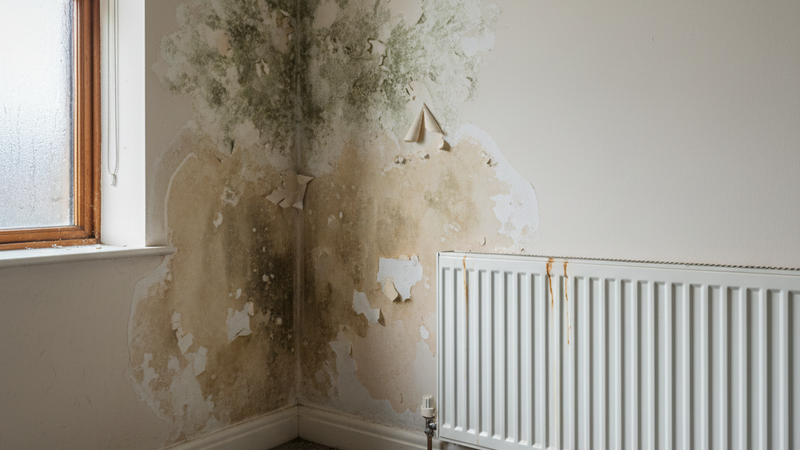
Light mould on walls is a common sight in many UK homes, often appearing as small, fuzzy, or speckled patches of black, green, or white discoloration. While it might seem minor, even light mould indicates an underlying moisture problem and can pose significant risks to both your property and the health of its occupants. Addressing it promptly and correctly is crucial to prevent its spread and mitigate potential issues.
Understanding Light Mould on Walls
Mould, a type of fungus, thrives in damp, humid environments, reproducing by releasing microscopic spores into the air. When these spores land on a suitable surface with moisture and organic matter (like wallpaper, paint, or plasterboard), they begin to grow, forming visible colonies. Even 'light' mould signifies that these conditions are present and active.
Common Causes of Mould Growth
The presence of mould, regardless of its severity, is a direct indicator of excessive moisture. Understanding the source is paramount for effective remediation and prevention.
- Condensation: This is arguably the most common cause in UK homes. Warm, moist air (from cooking, showering, drying clothes indoors) comes into contact with cold surfaces like external walls or windows, causing water vapour to turn into liquid.
- Leaking Pipes or Roofs: Hidden leaks can saturate building materials over time, creating ideal conditions for mould growth behind walls or ceilings.
- Rising Damp: Moisture from the ground travels up through porous walls, typically affecting lower sections of walls.
- Penetrating Damp: Water ingress through cracks in rendering, faulty guttering, or damaged brickwork.
- Poor Ventilation: Inadequate airflow prevents moist air from escaping, trapping humidity within a property.
Identifying Different Types of Mould
While visual identification alone isn't sufficient for precise classification, understanding common appearances can help. Light mould often starts as:
- Black Mould: Often appears as small, dark spots, frequently found in bathrooms or kitchens. Not all black mould is Stachybotrys chartarum (toxic black mould), but its presence always warrants caution.
- White Mould: Can look fuzzy or powdery, sometimes mistaken for efflorescence (salt deposits). It often grows on drywall or in cool, damp areas like basements.
- Green/Brown Mould: Commonly found on food, but can also appear on walls, often associated with water-damaged organic materials.
Important point
Never attempt to identify mould types by smell or touch. If you suspect mould, especially if it's widespread or you experience health symptoms, consult a professional.
Health & Safety Concerns Posed by Mould
Mould is not just an aesthetic issue; it can significantly impact human health, particularly for vulnerable groups. The NHS provides comprehensive guidance on the health risks associated with damp and mould exposure.
Potential Health Impacts
Exposure to mould spores can trigger a range of health problems. The severity depends on the type of mould, the level of exposure, and individual sensitivity.
- Respiratory Issues: Coughing, wheezing, shortness of breath, and nasal stuffiness are common.
- Allergic Reactions: Rashes, itchy eyes, skin irritation, and asthma attacks can be exacerbated or triggered.
- Infections in vulnerable people: People who already have a weakened immune system are at higher risk of infections from mould exposure.
- Specific Vulnerabilities: Infants, children, the elderly, individuals with pre-existing respiratory conditions (like asthma), and those with compromised immune systems are at higher risk. The tragic case of Awaab Ishak highlighted the severe health consequences mould can have on young children, leading to Awaab's Law.
Safety Precautions During DIY Cleaning
While small, light mould patches *might* be tackleable by a homeowner, safety must be paramount. The Health and Safety Executive (HSE) advises caution when dealing with mould.
- Ventilation: Open windows and doors to ensure good airflow.
- Personal Protective Equipment (PPE): Wear gloves, eye protection, and a FFP2 or FFP3 respirator mask to avoid inhaling spores.
- Containment: If the area is larger than a small patch, consider using plastic sheeting to prevent spores from spreading to other rooms.
- Avoid Dry Brushing: This disperses spores into the air. Always damp-wipe mould.
- Test Products: Always test any cleaning solution on an inconspicuous area first to avoid damage to surfaces.
UK Regulations and Standards for Mould Remediation
In the UK, housing and health authorities take mould seriously. Landlords have legal obligations, and professional remediation follows established international guidelines.
Housing Health and Safety Rating System (HHSRS)
The HHSRS, used by local authorities, assesses 29 housing hazards, including damp and mould growth. It classifies hazards into Category 1 (serious and immediate risk) and Category 2 (less serious but still a risk). Mould and damp often fall under Category 1, particularly if extensive or impacting vulnerable occupants. Landlords are legally obliged to address these hazards. More information can be found on gov.uk.
IICRC S520 Standard for Mould Remediation
While not a UK legal standard, the Institute of Inspection, Cleaning and Restoration Certification (IICRC) S520 is the internationally recognised best practice guideline for professional mould remediation. Professional services strictly adhere to this standard, ensuring comprehensive and safe removal.
- Assessment: Identifying the source and extent of moisture and mould.
- Containment: Preventing the spread of mould spores during remediation.
- Air Filtration: Using HEPA filters to clean airborne spores.
- Mould Removal: Physically removing mould from affected surfaces, not just cleaning.
- Drying: Ensuring all materials are thoroughly dried to prevent re-growth.
- Prevention: Addressing the underlying moisture issue.
- Post-Remediation Verification: Ensuring the property is returned to a pre-loss mould condition.
Professional Mould Remediation Process
When faced with anything more than a tiny patch of mould, or if you're unsure of the cause, professional intervention is the safest and most effective route. A professional remediation process is thorough and compliant with industry best practices.
Initial Assessment and Source Identification
Professionals begin with a detailed inspection to accurately pinpoint the moisture source – whether it's condensation, a leak, or another issue. Professionals use advanced tools like thermal imaging cameras and moisture meters to detect hidden dampness. This step is critical, as removing mould without addressing the moisture source guarantees its return.
Containment and Safe Removal
Once the source is identified, we establish containment zones to prevent spores from contaminating unaffected areas. This involves sealing off the work area using plastic sheeting and maintaining negative air pressure. We then meticulously remove mould-affected materials following IICRC S520 protocols, using specialised cleaning agents and HEPA-filtered vacuums. The team is equipped with full PPE to ensure their safety and prevent cross-contamination.
Drying, Cleaning, and Post-Remediation Verification
After physical removal, the affected areas are thoroughly dried using industrial dehumidifiers and air movers. This eliminates any residual moisture that could encourage new mould growth. We then clean and sanitise the area, and conduct post-remediation verification, which may include visual inspections, moisture readings, and sometimes air quality testing, to confirm the mould has been effectively removed and the environment is safe. You can learn more about costs on our cost calculator page.
Prevention and Maintenance Strategies
Prevention is always better than cure when it comes to mould. Implementing proactive measures can significantly reduce the risk of mould returning to your UK home.
Controlling Humidity and Ventilation
Managing indoor humidity is key to mould prevention. Simple changes in daily habits can make a big difference:
- Ventilate: Open windows regularly, especially after showering, cooking, or drying clothes indoors. Use extractor fans in kitchens and bathrooms.
- Dehumidifiers: Consider using a dehumidifier in particularly damp rooms.
- Heating: Maintain a consistent, moderate temperature throughout your home to prevent cold spots where condensation forms.
- Dry Clothes Outdoors: Whenever possible, dry laundry outside or in a well-ventilated area.
Regular Inspections and Addressing Moisture Sources
Proactive monitoring can catch issues before they escalate. Regularly inspect your property for signs of dampness or leaks.
- Check Pipes and Roof: Periodically inspect for leaks or water stains.
- Maintain Gutters: Ensure gutters are clear and downpipes are functioning correctly to direct water away from the property.
- Seal Cracks: Repair any cracks in exterior walls or around windows that could allow water ingress.
- Good Insulation: Properly insulated walls and attics can reduce condensation by keeping surfaces warmer.
Important point
Even after professional remediation, if the underlying moisture issue is not permanently resolved, mould will almost certainly return. Education and ongoing maintenance are crucial.
When to Call Professional Mould Remediation Experts
While small, superficial mould spots might be cleanable with domestic products, there are clear indicators when professional help is essential. Our expertise ensures not just surface cleaning, but deep-seated mould removal and prevention.
Signs Indicating Professional Intervention is Needed
Don't hesitate to seek expert advice if you encounter any of these situations:
- Extent of Growth: If mould covers an area larger than about one square metre.
- Persistent Mould: If mould repeatedly returns despite your cleaning efforts, indicating an unresolved moisture issue.
- Hidden Mould: If you smell a musty odour but can't see the mould, suggesting growth behind walls, under flooring, or in inaccessible areas.
- Health Concerns: If occupants are experiencing mould-related health symptoms.
- Structural Damage: If mould is accompanied by visible damage to building materials.
- Following Water Damage: After a flood, burst pipe, or significant leak, even if mould isn't immediately visible, professional assessment is vital.
Benefits of Professional Services
Engaging professional mould remediation services offers numerous advantages beyond what DIY methods can provide:
- Expert Identification: Professionals accurately identify the mould type and, crucially, the root cause of moisture.
- Safe & Effective Removal: Adherence to IICRC S520 standards ensures complete and safe eradication, preventing spore spread.
- Preventative Solutions: A good contractor leaves you with actionable advice and solutions to prevent future mould growth.
- Specialised Equipment: Access to industrial-grade dehumidifiers, air scrubbers, moisture meters, and PPE.
- Health Protection: Minimises exposure risks for occupants during the remediation process.
- Peace of Mind: Assurance that your property is truly mould-free and safe for habitation.
Even light mould on walls demands attention. By understanding its causes, potential risks, and the correct remediation processes, you can protect your UK home and health. For more detailed insights, feel free to browse our blog.