Mould Prevention on Walls: A UK Guide to Stopping Growth
Discover expert strategies for mould prevention on walls in UK homes. Learn about causes, health risks, and effective methods to protect your property and well-being.
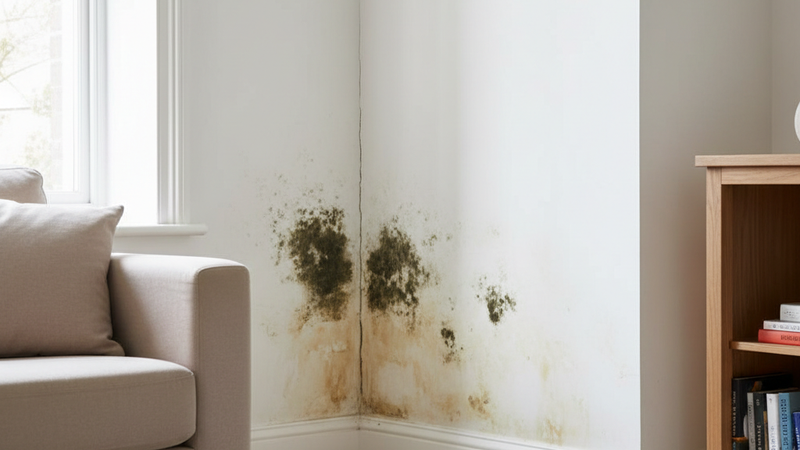
Mould growing on your walls is not just an aesthetic issue; it can significantly impact indoor air quality, cause structural damage, and pose serious health risks. In the UK's often damp climate, understanding how to prevent mould on walls is crucial for maintaining a healthy and safe living environment. This comprehensive guide will delve into the causes, health implications, regulatory frameworks, and actionable steps to keep your walls mould-free.
Understanding Mould Growth on Walls
Mould is a type of fungus that thrives in damp, humid conditions. It reproduces by releasing spores into the air, which can then land on surfaces and begin to grow if moisture and a food source are present. Walls, especially those with poor insulation or affected by leaks, provide an ideal environment for mould colonisation.
Common Causes of Wall Mould in the UK
Several factors contribute to mould growth on walls in UK properties. Identifying the root cause is the first step towards effective prevention.
- Condensation: This is arguably the most prevalent cause in UK homes. Warm, moist air comes into contact with cold wall surfaces (often external walls or around windows), cooling rapidly and releasing its moisture as condensation. Poor ventilation exacerbates this issue.
- Penetrating Damp: Occurs when external moisture penetrates the building fabric. This can be due to faulty roofing, cracked rendering, damaged guttering, or defective pointing allowing rainwater to seep into walls.
- Rising Damp: Less common but serious, rising damp happens when moisture from the ground travels upwards through the capillary action of bricks and mortar. It typically affects lower parts of walls and leaves a characteristic 'tide mark'.
- Leaking Pipes or Fixtures: Internal plumbing leaks from hidden pipes, radiators, showers, or baths can lead to significant moisture saturation within walls, often going unnoticed until mould appears or structural damage becomes evident.
- Building Defects: Poor insulation, cold bridging (areas where heat can easily escape, leading to cold spots), and inadequate ventilation during construction can all contribute to damp and mould.
Types of Mould Often Found on Walls
While many types of mould can grow on walls, some are more common. Recognising their appearance can help:
- Cladosporium: Often black or dark green, found on painted surfaces, insulation, and in bathrooms.
- Aspergillus/Penicillium: Fuzzy, white, green, or grey mould, frequently found on damp materials like wallpaper and plaster.
- Stachybotrys Chartarum (Black Mould): This infamous mould is typically slimy and dark green or black. It requires persistent moisture and cellulose-rich materials (like plasterboard or wood) to grow. While often sensationalised, it should be treated with the same caution as any other indoor mould growth.
Important Point
Never attempt to dry brush or vacuum mould. This can release millions of spores into the air, spreading the problem and increasing inhalation risks. Always ensure the area is contained and follow safety protocols.
Health and Safety Concerns Related to Wall Mould
The presence of mould on walls is not merely an aesthetic discomfort; it carries significant health and safety implications, particularly for vulnerable individuals. The UK's National Health Service (NHS) and Health and Safety Executive (HSE) provide extensive guidance on these risks.
Impact on Human Health
Exposure to mould spores can trigger a range of health problems. The severity depends on the individual's sensitivity, the type of mould, and the extent of exposure.
- Respiratory Issues: Common symptoms include sneezing, runny nose, red eyes, skin rash, and a blocked nose. People with asthma might experience more severe attacks.
- Allergic Reactions: Mould produces allergens that can cause allergic reactions in sensitive individuals.
- Infections: In rare cases, particularly for those with compromised immune systems, mould can cause fungal infections.
- Irritation: Mould can release volatile organic compounds (VOCs) that cause irritation to the eyes, skin, and respiratory tract, leading to headaches and dizziness.
The NHS website provides further details on how damp and mould can affect your health.
Structural Damage to Property
Beyond health, prolonged mould growth can cause significant damage to your property. It feeds on organic materials, gradually deteriorating walls, plaster, timber, and even structural elements.
- Degradation of Materials: Wallpaper peels, paint blisters, plaster crumbles, and timber can rot, leading to costly repairs.
- Odour: Mould often produces a musty, earthy smell that permeates furnishings and clothing, making the living environment unpleasant.
- Reduced Property Value: Untreated mould issues can severely decrease a property's market value and make it difficult to sell or rent.
UK Regulations and Standards for Mould Remediation
In the UK, a framework of regulations and guidelines exists to address mould and damp issues, ensuring proper remediation and safeguarding tenant rights.
IICRC S520 and UK Best Practice
The Institute of Inspection, Cleaning and Restoration Certification (IICRC) S520 Standard and Reference Guide for Professional Mould Remediation is the globally recognised standard for mould removal. While not a legally binding UK regulation, it represents the industry's best practice, outlining procedures for safe and effective mould remediation.
- Assessment: Identifying the source of moisture and extent of contamination.
- Containment: Preventing the spread of mould spores to unaffected areas.
- Air Filtration: Using HEPA filters to clean the air.
- Removal: Physically removing mould-affected materials.
- Drying: Ensuring all affected areas are thoroughly dried to prevent recurrence.
- Prevention: Implementing measures to stop mould from returning.
Professionals adhere strictly to IICRC S520 guidelines in all remediation projects.
Housing Health and Safety Rating System (HHSRS) & Awaab's Law
The Housing Health and Safety Rating System (HHSRS) is a risk assessment tool used by local councils to identify hazards in residential properties, with damp and mould being a significant one. Landlords have a legal responsibility to provide a safe and healthy environment.
- Category 1 Hazards: Severe damp and mould can be classified as a Category 1 hazard under HHSRS, requiring urgent action from landlords.
- Awaab's Law: This landmark legislation, in force in England since 27 October 2025, places strict duties on social landlords to address hazards like damp and mould promptly. It mandates maximum timescales for landlords to investigate and repair issues. You can read more about Awaab's Law on our blog.
The guidance from GOV.UK details landlords' responsibilities concerning HHSRS.
Effective Prevention and Maintenance Strategies
Preventing mould on walls is primarily about controlling moisture. Implementing a few key strategies can significantly reduce the risk of mould growth.
Controlling Humidity and Ventilation
High indoor humidity is a mould's best friend. Take proactive steps to manage it:
- Ventilation: Open windows for short periods daily, especially after showering, cooking, or drying laundry indoors. Use extractor fans in kitchens and bathrooms and ensure they are properly vented to the outside.
- Dehumidifiers: In persistently damp areas or during colder months, a dehumidifier can effectively reduce airborne moisture. Aim for indoor humidity levels between 30-50%.
- Avoid Drying Laundry Indoors: If unavoidable, ensure the room is well-ventilated or use a dehumidifier.
- Proper Heating: Maintain a consistent, moderate indoor temperature, avoiding extreme temperature fluctuations that lead to condensation.
Addressing Moisture Sources and Building Maintenance
Eliminating the source of moisture is paramount for long-term mould prevention.
- Repair Leaks Promptly: Fix leaking pipes, roofs, and windows immediately. Even small leaks can cause significant mould problems over time.
- Good Guttering & Drainage: Ensure gutters are clear and downpipes direct water away from the property foundation. Improve external drainage if water collects near walls.
- Check External Walls: Regularly inspect rendering, pointing, and brickwork for cracks or damage that could allow penetrating damp.
- Insulation: Improve wall insulation where possible to raise the surface temperature of internal walls, reducing condensation.
- Anti-Mould Paint: While not a solution for underlying damp, anti-mould paints can offer some surface resistance in areas prone to condensation, acting as an additional barrier.
Cleaning and Monitoring
Regular cleaning and vigilance can prevent small mould patches from becoming major infestations.
- Regular Cleaning: Clean surfaces regularly with household fungicides or a diluted bleach solution (1 part bleach to 10 parts water), especially in bathrooms and kitchens. Always test on an inconspicuous area first.
- Monitor Susceptible Areas: Pay close attention to areas like behind furniture where air circulation is limited, cold exterior walls, and around windows.
- Good Housekeeping: Don't overcrowd rooms with furniture, as this can restrict air circulation and create cold spots conducive to mould.
When to Call Professional Mould Remediation Specialists
While small patches of surface mould can sometimes be tackled by homeowners, there are clear instances where professional intervention is necessary for safety and effectiveness.
Indicators for Professional Help
Knowing when to call in the experts can save you time, money, and health risks in the long run.
- Large Areas of Mould: If the mould covers an area larger than 1 square metre (roughly a fridge door size), it's advisable to call professionals.
- Hidden Mould: If you smell mould but can't see it, it's likely hidden within walls, under flooring, or in ceiling cavities, requiring specialist equipment to locate and remove.
- Health Concerns: If occupants are experiencing persistent health issues that you suspect are linked to mould exposure.
- Recurrent Mould: If mould keeps returning despite your best cleaning and prevention efforts, it indicates an unresolved underlying moisture issue that needs professional diagnosis.
- Toxic Mould Suspicions: If you suspect the presence of 'black mould' (Stachybotrys chartarum), professional assessment and remediation are crucial due to potential health risks.
- Flooding or Water Damage: Following a flood or significant water damage, professional drying and mould prevention/remediation are essential.
The Professional Remediation Process
Professional mould remediation involves a systematic approach to ensure complete and safe removal, adhering to standards like IICRC S520.
- Initial Assessment: A professional will identify the type of mould, assess the extent of contamination, and crucially, pinpoint the source of moisture.
- Containment: Using barriers and negative air pressure, the affected area is isolated to prevent cross-contamination to other parts of the property.
- Air Filtration: HEPA air scrubbers are used to remove airborne mould spores and other particulates, improving air quality within the contained area.
- Mould Removal: Depending on the affected materials, this could involve abrasive cleaning, treating surfaces with antimicrobial agents, or removing and replacing porous materials like plasterboard.
- Structural Drying: Industrial-grade drying equipment is used to thoroughly dry all affected materials, preventing future mould growth.
- Cleaning & Sanitisation: All surfaces are cleaned and sterilised, and affected contents are either cleaned or safely disposed of.
- Post-Remediation Verification: Often involves moisture readings and sometimes air sampling to confirm that mould levels have returned to normal, healthy levels.
Considering mould removal costs? Use our online cost calculator for an estimate.
Choosing a Qualified Professional
When selecting a professional mould remediation company, ensure they are:
- Certified: Look for accreditations such as IICRC certification for mould remediation.
- Experienced: Choose a company with a proven track record in UK properties.
- Insured: Verify they hold appropriate public liability and professional indemnity insurance.
- Transparent: A reputable company will provide a clear, detailed quote and explain their process thoroughly.
Actionable Advice
Even if you handle small mould issues yourself, always wear appropriate Personal Protective Equipment (PPE) including gloves, eye protection, and a P2 or P3 respirator mask to minimise exposure to spores.
Mould prevention on walls is an ongoing process that involves understanding moisture sources, maintaining good ventilation, and being proactive in addressing potential issues. By following these guidelines and knowing when to seek professional help, you can effectively protect your UK home and the health of its occupants from the adverse effects of mould.