How to Stop Mildew on Walls: A UK Expert Guide
Discover comprehensive strategies to stop mildew on walls in your UK home. Learn about health risks, remediation, prevention, and when to call professionals.
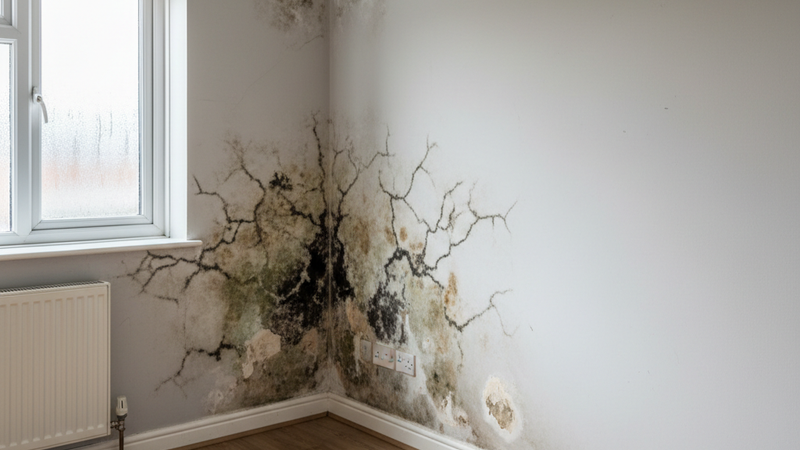
Mildew, often mistaken for mould, is a common issue in many UK homes, particularly in areas with high humidity and poor ventilation. Characterised by its typically flat, powdery or downy appearance, it can appear in shades of white, grey, or yellow on walls, ceilings, and other organic surfaces. While often less visibly aggressive than black mould, mildew still indicates excess moisture and can pose health risks and structural damage if left unaddressed. This comprehensive guide, informed by IICRC S520 principles, will equip you with the knowledge to identify, treat, and prevent mildew on your walls effectively.
Understanding Mildew and Its Causes
What Precisely is Mildew?
Mildew is a surface-dwelling type of fungus, closely related to mould. While both are fungi that thrive in damp conditions, mildew typically grows flat and powdery, often appearing white, grey, or yellow, whereas mould usually has a more fuzzy, slimy, or darker, three-dimensional texture. Mildew commonly colonises organic surfaces like drywall, wood, and fabrics when moisture levels are elevated. Its presence is a clear indicator that conditions are ripe for fungal growth within your property, and left unchecked, it can often progress into more invasive mould.
Identifying the Root Causes of Mildew Growth
The primary driver for mildew growth, like all fungi, is moisture. In a typical UK home, several factors contribute to the damp conditions mildew requires:
- High Humidity: Everyday activities like cooking, showering, and drying clothes indoors release significant moisture into the air. Without adequate ventilation, this moisture condenses on cooler surfaces like walls.
- Condensation: Cold external walls in heated rooms often become condensation points. This is particularly prevalent in bathrooms, kitchens, and bedrooms, where warm, moist air meets cold surfaces.
- Leaks and Water Ingression: Hidden plumbing leaks, roof defects, damaged gutters, or issues with damp proof courses can introduce significant moisture into wall cavities or directly onto surfaces.
- Poor Ventilation: Insufficient air circulation prevents moist air from escaping, trapping humidity within rooms and creating ideal conditions for fungal proliferation.
- Thermal Bridging: Areas where insulation is compromised, or structural elements directly connect the inside to the outside (e.g., concrete lintels), can create cold spots where condensation is guaranteed.
Health and Safety Concerns Related to Mildew
Potential Health Impacts on Occupants
While often perceived as less harmful than black mould, mildew can still significantly impact human health, particularly for vulnerable groups. The spores released by mildew can be inhaled, leading to a range of respiratory and allergic reactions. The NHS provides guidance on the health risks associated with damp and mould, which also applies to mildew.
- Respiratory Issues: Symptoms can include coughing, wheezing, shortness of breath, and exacerbation of asthma. Individuals with pre-existing respiratory conditions are particularly susceptible.
- Allergic Reactions: Exposure can trigger allergic rhinitis, skin rashes, and eye irritation.
- Infections in Vulnerable People: People who already have weakened immune systems are at greater risk of infections from fungal exposure.
- Headaches and Fatigue: Some individuals report non-specific symptoms such as persistent headaches, fatigue, and difficulty concentrating when living in mildew-affected environments.
Safety Precautions During DIY Remediation
If you choose to tackle small patches of mildew yourself, it is crucial to prioritise your safety. The Health and Safety Executive (HSE) emphasises the importance of protecting yourself from airborne contaminants.
Important point: Personal Protective Equipment (PPE)
Always wear appropriate PPE, including an FFP3 respirator mask, protective eyewear, and chemical-resistant gloves. Ventilate the area thoroughly by opening windows and doors, but close internal doors to prevent spore spread to other rooms.
Avoid dry brushing or sanding mildew, as this releases a high concentration of spores into the air. Use a damp cloth to gently wipe surfaces, and dispose of all contaminated materials carefully in sealed bags.
UK Regulations and Industry Standards for Fungal Growth
IICRC S520: The Industry Benchmark
For professionals, remediation of mould and mildew is guided by the Institute of Inspection, Cleaning and Restoration Certification (IICRC) S520 Standard and Reference Guide for Professional Mould Remediation. While a technical document for trained remediators, its principles offer valuable insight for property owners:
- Source Identification: Emphasises the critical need to identify and rectify the underlying moisture source, as without this, mould will invariably return.
- Containment: Recommends containing affected areas to prevent the spread of spores during remediation.
- Source Removal: Focuses on physically removing contaminated materials rather than just killing the surface growth.
- Drying: Ensures that all affected materials are thoroughly dried to prevent re-growth.
- Post-Remediation Verification: Urges thorough assessment to confirm successful remediation and appropriate moisture levels.
Housing Health and Safety Rating System (HHSRS) & Awaab's Law
In the UK, local authorities use the Housing Health and Safety Rating System (HHSRS) to assess hazards in residential properties, including damp and mould. Significant mould growth, even mildew, can be classified as a Category 1 hazard, requiring landlords to take immediate action. The tragic case of Awaab Ishak has highlighted the severe consequences of unaddressed damp and mould, leading to Awaab's Law, in force in England since 27 October 2025. This legislation places stronger legal duties on social landlords to address damp and mould promptly and effectively, underscoring the legal and ethical imperative to maintain healthy living conditions.
The Professional Mildew Remediation Process
Assessment and Moisture Source Identification
A professional remediation begins with a thorough inspection to determine the extent of the mildew growth and, crucially, to pinpoint the source of moisture causing the problem. This often involves using specialised equipment such as moisture meters, thermal imaging cameras, and hygrometers to map out moisture levels within walls and building materials. Identifying the exact cause, whether it's condensation from lifestyle, a hidden leak, or structural dampness, is paramount for effective long-term resolution.
Containment, Removal, and Cleaning Protocols
Once the source is identified and repaired, the remediation process starts. For significant mildew, particularly if it has penetrated building materials, professionals will:
- Establish Containment: Use barriers (e.g., polythene sheeting) and negative air pressure to isolate the affected area and prevent spores from spreading to uncontaminated parts of the property.
- Safely Remove Materials: Contaminated porous materials like drywall, insulation, or carpet that cannot be effectively cleaned are carefully removed and disposed of according to local waste regulations.
- Thorough Cleaning: Non-porous surfaces (e.g., painted walls, tiles) are cleaned using industry-approved biocides and cleaning agents, followed by HEPA vacuuming to capture airborne spores.
- Drying and Dehumidification: High-efficiency air movers and dehumidifiers are deployed to rapidly dry out remaining damp materials and reduce ambient humidity to acceptable levels (typically below 60% RH).
- HVAC Cleaning: If the HVAC system might have been compromised, it will also be cleaned to ensure no spores are recirculated.
Prevention and Long-Term Maintenance
Effective Ventilation Strategies
Good ventilation is your primary defence against mildew. It helps remove moist air before it can condense on surfaces:
- Extractor Fans: Ensure bathrooms and kitchens have properly functioning extractor fans that vent to the outside. Use them during and after showering/cooking.
- Open Windows: Regularly air out your home, even for short periods, especially after activities that generate moisture. Cross-ventilation is most effective.
- Trickle Vents: Ensure any trickle vents in windows are open.
- Positive Input Ventilation (PIV): Consider installing a PIV system, particularly in older or high-moisture homes. These systems gently introduce fresh, filtered air from outside, slightly pressurising the home and pushing stale, moist air out through existing vents.
Controlling Indoor Humidity Levels
Monitoring and controlling indoor humidity is crucial:
- Dehumidifiers: In particularly humid rooms or during winter months, a dehumidifier can significantly reduce indoor moisture. Keep humidity levels between 40-60%.
- Dry Clothes Outdoors: Whenever possible, dry laundry outdoors or in a well-ventilated space to avoid releasing moisture indoors.
- Insulation and Heating: Ensure your home is adequately insulated to prevent cold spots on walls where condensation can form. Maintain a consistent, moderate temperature throughout your home.
- Fix Leaks Promptly: Address any plumbing leaks, roof issues, or damp proof course failures immediately.
Choosing Mildew-Resistant Materials and Finishes
When renovating or redecorating, opt for materials that are less susceptible to mildew and mould growth:
- Anti-Mould Paints: Use paints containing fungicides, especially in high-humidity areas like bathrooms and kitchens.
- Mildew-Resistant Grout and Sealants: Choose products designed for wet areas to prevent mildew from forming in tile gaps.
- Moisture-Resistant Drywall: Consider using gypsum board with moisture-resistant additives in particularly damp-prone areas.
- Non-Porous Flooring: Replace carpet with non-porous options like tile or vinyl in wet rooms.
When to Call a Professional Mould Remediation Specialist
Signs Indicating Professional Intervention is Needed
While small patches of surface mildew can often be tackled DIY, there are clear indicators when it's time to call in the experts:
- Large Coverage: If the mildew patch is larger than 1 square metre (around 10 square feet) or covers multiple areas.
- Deep Penetration: If you suspect the mildew has penetrated beyond the surface paint into drywall, insulation, or structural timbers.
- Health Concerns: If occupants are experiencing persistent health issues that may be linked to the mildew, such as respiratory problems or allergic reactions.
- Hidden Growth: If you detect a musty odour but cannot see visible mildew, it likely indicates hidden growth within wall cavities, under floors, or in the subfloor.
- Recurring Problem: If mildew keeps returning despite your best efforts to clean and prevent it, indicating an unresolved moisture source.
- Complex Moisture Source: If the source of dampness is a significant leak, structural issue, or extensive condensation problem that you cannot easily identify or rectify.
Professional Assessment is Key
A professional can accurately identify the moisture source, assess the extent of contamination, and create a targeted remediation plan, ensuring that your property is safe and healthy in the long term.
The Benefits of Expert Remediation
Engaging a qualified mould remediation specialist offers numerous advantages:
- Expert Identification: Professionals use advanced tools to find hidden moisture and pinpoint the root cause, preventing recurrence.
- Safe & Effective Removal: They follow IICRC S520 guidelines, using appropriate containment and PPE to safely remove mould without contaminating other areas.
- Thorough Drying: Industrial-grade drying equipment ensures all materials are dried completely, inhibiting future growth.
- Validation & Testing: Post-remediation verification, which can include moisture readings and air quality testing, offers assurance that the environment is safe.
- Health Protection: Minimises exposure risks to occupants during and after the remediation process.
- Peace of Mind: Knowing the problem has been dealt with comprehensively by certified experts provides invaluable reassurance. You can even get an idea of potential costs with our mould removal cost calculator.
Ignoring mildew on walls is not an option for a healthy home. By understanding its causes, proactively implementing preventive measures, and knowing when to call in professional UK mould remediation specialists, you can effectively protect your property and the well-being of its occupants. For further scientific insights into fungal growth in buildings, resources from institutions like Imperial College London often provide detailed research papers.