Stop Mould on Wood: UK Guide to Remediation & Prevention
Discover how to effectively stop mould on wood surfaces in your UK property, covering causes, health risks, and professional remediation strategies.
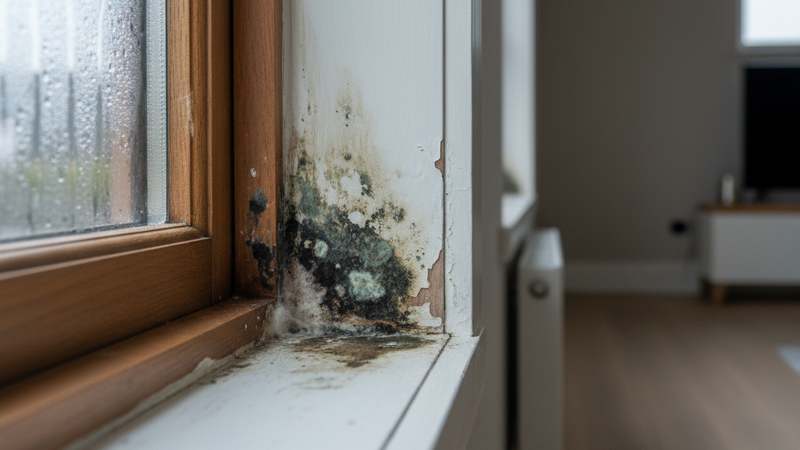
Mould growing on wooden surfaces is not only unsightly but can also pose significant health risks and lead to structural damage if left unaddressed. This comprehensive guide, informed by industry best practices like the IICRC S520, will walk you through understanding why mould affects wood, how to safely remove it, and most importantly, how to prevent its return in your UK home or business.
Understanding Mould on Wood Surfaces
Mould, a type of fungus, thrives in damp, humid environments and can readily colonise organic materials such as wood. Its presence often indicates an underlying moisture issue that needs urgent attention.
Why Wood is Susceptible to Mould
Wood is a hygroscopic material, meaning it readily absorbs and releases moisture from its environment. When the moisture content of wood exceeds approximately 20%, it creates an ideal breeding ground for mould spores. Common culprits include leaks, condensation, rising damp, poor ventilation, and flooded basements or subfloors. Untreated or porous wood surfaces are particularly vulnerable.
Common Types of Mould Found on Wood
While many types of mould can grow on wood, some are more commonly encountered. These include:
- Aspergillus/Penicillium: Often green, blue-green, or white, fuzzy, and commonly found on damp surfaces.
- Cladosporium: Can appear black, brown, or green and has a powdery, velvety, or leathery texture. Frequently found on wood, painted surfaces, and textiles.
- Stachybotrys Chartarum (Black Mould): This infamous mould is typically black or dark green and has a slimy texture when wet. It requires consistently high moisture levels to grow and is often indicative of significant water damage.
Health and Safety Concerns of Mould on Wood
Exposure to mould, regardless of its type, can have adverse health effects, particularly for vulnerable individuals. The UK's National Health Service (NHS) provides clear guidance on the health risks associated with mould exposure.
Potential Health Effects of Mould Exposure
Mould produces allergens, irritants, and in some cases, mycotoxins, which can all trigger various health problems. These may include:
- Respiratory issues: Wheezing, coughing, shortness of breath, asthma attacks.
- Allergic reactions: Sneezing, runny nose, red eyes, skin rash.
- Other symptoms: Headaches, fatigue, irritation of the throat and eyes.
People with asthma, allergies, weakened immune systems, infants, and the elderly are particularly susceptible. The UKHSA guidance on damp and mould offers further details on these health impacts.
Safety Precautions for Mould Remediation
When dealing with mould, especially on porous surfaces like wood, personal protective equipment (PPE) is crucial. The Health and Safety Executive (HSE) in the UK provides guidelines for working safely. Even for small areas, you should wear:
- Gloves: Non-porous, protective gloves.
- Eye protection: Goggles to prevent spore irritation.
- Respiratory protection: An FFP2 or FFP3 mask to prevent inhalation of spores.
Ensure the area is well-ventilated during and after the process. For extensive mould growth (larger than 1 square metre), professional remediation is strongly advised to prevent further contamination and ensure safe removal.
Important point
Never attempt to dry mouldy materials by simply aiming a fan at them without containment, as this can spread spores throughout the property, exacerbating the problem and potential health risks.
UK Regulations and Industry Standards for Mould Remediation
In the UK, property owners and landlords have a legal and ethical responsibility to address mould issues. Several key frameworks guide effective and safe mould remediation.
IICRC S520: The Gold Standard for Mould Remediation
The Institute of Inspection, Cleaning and Restoration Certification (IICRC) S520 is the global consensus standard for professional mould remediation. It outlines scientific principles and industry best practices for evaluating, containing, removing, and preventing mould. Key principles include:
- Source identification and elimination: Finding and fixing the moisture source is paramount.
- Containment: Preventing the spread of spores to unaffected areas.
- Material removal or cleaning: Removing porous materials like mouldy plasterboard or thoroughly cleaning non-porous surfaces.
- Drying: Ensuring materials are thoroughly dried to prevent re-growth.
- Post-remediation verification: Confirming that the mould has been effectively removed and the area is safe.
As expert UK mould remediation specialists, we strictly adhere to IICRC S520 guidelines to ensure the highest standards of safety and effectiveness.
Housing Health and Safety Rating System (HHSRS) and Awaab's Law
The HHSRS, enforced by local authorities, assesses potential hazards in residential properties, categorising damp and mould as a serious hazard. Landlords are legally obliged to address Category 1 hazards. More recently, the tragic death of Awaab Ishak has led to significant legislative changes with Awaab's Law, strengthening tenants' rights and placing greater legal responsibility on landlords to promptly address hazards like damp and mould. Non-compliance can lead to severe penalties and legal action. You can find more information on housing standards on the GOV.UK website.
Professional Mould Remediation Process for Wood
When mould infests wooden structures extensively, a professional approach is not just recommended but often essential to ensure complete and safe removal.
Assessment and Containment
- Initial Inspection: Professionals conduct a thorough inspection to identify the extent of mould growth, type of wood affected, and the underlying moisture source. Professionals use moisture meters and thermal imaging to precisely locate hidden issues.
- Moisture Source Rectification: The primary goal is to stop the moisture. This could involve repairing leaks, improving ventilation, or managing condensation.
- Containment: For significant mould, we establish containment zones using polyethylene sheeting and negative air pressure machines with HEPA filters. This prevents mould spores from spreading to other unaffected areas of your property.
Removal and Cleaning of Mould from Wood
The approach to removing mould from wood depends on the depth of penetration and the structural integrity of the timber.
- Surface Cleaning (for superficial mould): For mild, superficial mould on non-porous or semi-porous finished wood, professionals use specialised mould-specific cleaning agents. These are applied, allowed to dwell, then carefully scrubbed and wiped clean. Thorough drying is then crucial.
- Sanding/Wire Brushing (for deeper penetration): If mould has penetrated slightly beneath the surface of unfinished wood, controlled sanding or wire brushing may be employed under containment. This physically removes the affected layer of wood. After sanding, the area is HEPA vacuumed to remove all dust and spores.
- Sodablasting/Dry Ice Blasting (for extensive or intricate mould): For widespread heavy mould or on intricate wooden structures, non-abrasive blasting techniques like sodablasting or dry ice blasting are highly effective. These methods strip away mould and contaminated surface material without damaging the wood beneath, leaving a clean surface that is then HEPA vacuumed.
- Antimicrobial Treatment: After physical removal, an appropriate antimicrobial agent is applied to inhibit future mould growth. It’s important to note that this is not a substitute for removing the existing mould, but rather a preventative measure.
Drying and Post-Remediation Verification
- Thorough Drying: Once mould is removed, the treated wooden surfaces and surrounding environment are thoroughly dried using professional-grade dehumidifiers and air movers. We monitor moisture levels meticulously to ensure optimal drying.
- Post-Remediation Verification (PRV): This critical step involves a final inspection by an independent third party, often with air sampling and surface testing. This ensures that the mould has been successfully removed, mould spore counts are within acceptable limits, and the area is safe for re-occupancy.
Did You Know?
The average mould job costs between £500-£2000 for a small to medium-sized area. You can get a quick estimate using our online mould removal cost calculator.
Prevention and Long-Term Maintenance of Wood
Preventing mould on wooden surfaces is far more effective and less costly than remediation. Focusing on moisture control is key.
Controlling Humidity and Ventilation
- Maintain Indoor Humidity: Aim for indoor humidity levels between 30% and 50%. Use dehumidifiers in damp areas like basements, bathrooms, and utility rooms.
- Ensure Adequate Ventilation: Open windows regularly, especially after showering or cooking. Use extractor fans in bathrooms and kitchens. Ensure subfloor ventilation is clear and unobstructed.
- Address Condensation: Improve insulation, reduce indoor humidity, and ensure proper heating to minimise condensation on cold surfaces, a common cause of mould on window frames and external walls.
Protecting Wood from Moisture and Leaks
- Promptly Repair Leaks: Fix leaky roofs, pipes, and windows immediately to prevent water intrusion.
- Waterproof and Seal: Apply appropriate sealants, varnishes, or paints to exposed wooden surfaces, especially in high-moisture areas. Ensure exterior wood is properly treated and maintained.
- Improve Drainage: Ensure exterior drainage directs water away from your property's foundation. Clear gutters and downpipes regularly.
- Regular Inspections: Periodically check vulnerable wooden areas (e.g., window sills, floorboards near bathrooms, subfloors) for signs of dampness or early mould growth.
When to Call Professional Mould Remediation Specialists
While small, superficial mould spots might be manageable for homeowners with appropriate safety measures, there are clear indicators that professional intervention is necessary.
Indicators for Professional Intervention
You should contact a professional mould remediation company if:
- Large Area of Growth: Mould covers an area larger than 1 square metre (roughly a metre by a metre, or about eight A3 sheets of paper).
- Persistent Odour: You detect a strong, musty smell, even if mould isn't visible, suggesting hidden growth within walls or under floorboards.
- Health Concerns: Occupants are experiencing unexplained health issues like persistent coughing, allergic reactions, or respiratory problems, especially if these symptoms improve when away from the property.
- Recurrent Mould: Despite your best efforts, mould repeatedly returns after cleaning.
- Water Damage History: The mould is due to significant water damage from flooding, burst pipes, or long-term leaks, indicating potential structural involvement.
- Visible Black Mould: Although not all black mould is Stachybotrys, its presence warrants professional assessment due to its potential toxicity.
Benefits of Hiring Certified Mould Specialists
Engaging professional, IICRC-certified specialists ensures a thorough, safe, and effective remediation process:
- Expert Assessment: Professionals can accurately identify the mould type, extent, and hidden moisture sources.
- Safe and Compliant Removal: Adherence to IICRC S520 standards ensures proper containment, preventing cross-contamination, and safe disposal.
- Specialised Equipment: Access to industrial-grade dehumidifiers, HEPA vacuums, air scrubbers, and moisture meters for effective detection and drying.
- Long-Term Solutions: Professionals don't just remove mould; they address the root cause to prevent future recurrence.
- Peace of Mind: Knowing the problem is handled correctly reduces health risks and protects your property's value.
For more insights and advice, explore our blog on mould-related topics. For academic information on fungi and building pathology, resources from UK universities such as the University of Reading's Biological Sciences department can be valuable.