Comprehensive Guide to Anti Mold Systems in the UK
Discover effective anti mold systems for your UK property. Learn about prevention, professional remediation, and maintaining a healthy, mould-free home.
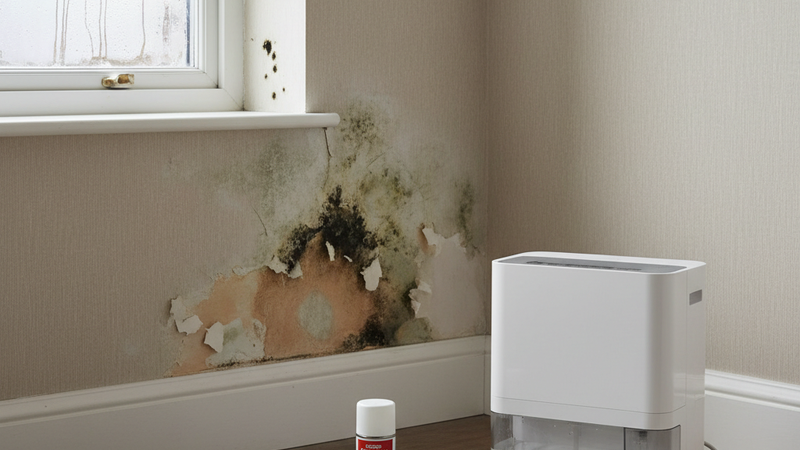
Mould is a persistent and unwelcome guest in many UK homes and commercial properties, thriving in our often damp climate. An anti mold system encompasses a proactive and reactive approach to prevent, control, and remediate mould growth, ensuring a healthier indoor environment. This comprehensive guide will explore the intricacies of tackling mould, from understanding its causes to professional remediation and long-term prevention strategies, all tailored for the UK context.
Understanding Mould and the Need for Anti Mold Systems
Mould is a type of fungus that reproduces by means of tiny spores. These spores are omnipresent in the air but only grow into mould when they land on a damp surface and have a food source. UK properties, with their often older building stock, varying insulation, and sometimes inadequate ventilation, provide ideal conditions for mould to flourish.
Common Causes of Mould in UK Properties
Several factors contribute to mould growth. Identifying these causes is the first step towards implementing an effective anti mold system.
- Condensation: A primary culprit, especially in colder months, when warm, moist air meets cold surfaces like windows and external walls.
- Leaks: Plumbing leaks, roof leaks, or ingress through walls can introduce significant moisture.
- Rising Damp: Moisture from the ground travelling up through walls due to a faulty or absent damp-proof course.
- Penetrating Damp: Water entering walls from outside, often due to cracked render, faulty guttering, or damaged brickwork.
- Poor Ventilation: Lack of air circulation traps moisture indoors, particularly in bathrooms, kitchens, and utility rooms.
The Importance of Proactive Mould Management
Waiting for mould to appear before acting can lead to more extensive damage and health risks. A proactive anti mold system aims to control moisture levels and reduce potential food sources for mould. This involves regular property maintenance, monitoring humidity, and ensuring adequate airflow throughout the property.
Health and Safety Concerns Associated with Mould
Beyond aesthetic issues, mould poses significant health risks, especially for vulnerable populations. Understanding these risks underscores the importance of a robust anti mold system.
Potential Health Impacts of Mould Exposure
Exposure to mould spores can trigger a range of health problems. The NHS provides comprehensive information on these effects, which can include:
- Respiratory Issues: Wheezing, coughing, nasal stuffiness, and shortness of breath.
- Allergic Reactions: Skin rashes, eye irritation, and sneezing.
- Asthma Exacerbation: Mould is a known trigger for asthma attacks.
- Weakened Immune Systems: Individuals with compromised immune systems are more susceptible to mould-related infections.
- Headaches and Fatigue: Some individuals report these symptoms in mould-affected environments.
Important point
The NHS website offers valuable advice on managing indoor air quality and understanding the health risks of damp and mould. Always consult your GP if you suspect mould is affecting your health: NHS - Damp and mould.
Workplace Regulations and Employer Responsibilities
For commercial properties and landlords, the responsibility to address mould is even more stringent. The Health and Safety Executive (HSE) guidance highlights the need for employers to assess and control risks from biological agents, including mould. Landlords also have statutory duties to ensure properties are fit for habitation.
For more details on workplace health and safety, visit the HSE website.
UK Regulations and Industry Standards for Mould Remediation
Adhering to established guidelines ensures that mould remediation is carried out safely and effectively, protecting both occupants and the property.
Housing Health and Safety Rating System (HHSRS)
The HHSRS is a risk assessment tool used by local authorities to assess potential hazards in residential properties, including damp and mould. It evaluates 29 categories of hazard, with damp and mould growth being a significant one. Landlords have a legal obligation to address Category 1 hazards identified under HHSRS.
Awaab's Law
Awaab's Law, in force for social landlords in England since 27 October 2025, strengthens tenants' rights and landlords' obligations regarding damp and mould, mandating swifter action. Learn more about its implications on our Awaab's Law article.
IICRC S520 Guidelines for Professional Remediation
The IICRC S520 Standard for Professional Mould Remediation is the international gold standard for mould removal. While not a direct UK regulation, it is widely adopted by reputable UK remediation companies. It outlines best practices for assessment, containment, removal, and post-remediation verification, ensuring safe and effective treatment.
The IICRC S520 emphasises:
- Thorough assessment of moisture sources and mould extent.
- Containment of affected areas to prevent cross-contamination.
- Safe and effective removal techniques.
- Drying of affected materials to prevent recurrence.
- Post-remediation verification to confirm successful removal.
You can find more information about these standards on the IICRC website.
The Professional Mould Remediation Process
When mould growth is extensive or recurrent, professional intervention is crucial. A structured process, guided by industry standards, ensures thorough and lasting results.
Initial Assessment and Moisture Source Identification
A professional remediation begins with a detailed inspection. This involves identifying the species of mould, assessing its extent, and, critically, locating and addressing the underlying moisture source. Without resolving the moisture issue, mould will inevitably return.
Techniques used may include thermal imaging, moisture meters, and air quality testing to pinpoint hidden moisture and assess airborne spore counts.
Containment, Removal, and Decontamination
Once the source is identified and isolated, the remediation team will set up containment barriers to prevent mould spores from spreading to unaffected areas. High-efficiency particulate air (HEPA) filtration is used to clean the air. Affected materials are carefully removed following safety protocols, and surfaces are decontaminated using appropriate antimicrobial agents. Professional teams wear personal protective equipment (PPE) to safeguard their health.
Drying, Prevention, and Post-Remediation Verification
After removal, the area is thoroughly dried using industrial dehumidifiers and air movers. This step is critical to prevent recurrence. Finally, post-remediation verification, which may include further testing, ensures that the mould has been successfully removed and the environment is safe. This often involves issuing a certificate of clearance.
Prevention and Maintenance: Your Long-Term Anti Mold System
The most effective anti mold system is one that prevents mould from taking hold in the first place. Regular maintenance and simple lifestyle changes can make a significant difference.
Controlling Humidity and Improving Ventilation
High indoor humidity is mould's best friend. Aim to keep indoor humidity levels between 30-50%. Strategies include:
- Ventilation: Open windows regularly, especially after showering, cooking, or drying laundry indoors. Use extractor fans in kitchens and bathrooms.
- Dehumidifiers: Invest in a dehumidifier for persistently damp areas.
- Heating: Maintain a consistent, moderate temperature throughout your home to reduce cold spots where condensation forms.
Addressing Moisture Sources and Property Maintenance
Regularly inspect your property for signs of leaks or damp. Fix dripping taps, leaking pipes, and roof damage promptly. Ensure gutters are clear and downpipes are functioning correctly, directing water away from foundations. Improving insulation can also help reduce cold surfaces and condensation.
For further research on building performance and moisture, consider resources from UK universities like the UCL Energy Institute.
Cleaning and Monitoring
Regular cleaning helps remove mould spores and prevent growth. Use mould-inhibiting paints in damp-prone areas. Keep an eye out for any discolouration or musty odours, which are early signs of mould. Early detection allows for easier and less costly intervention.
When to Call Professional Mould Remediation Specialists
While small patches of mould can sometimes be tackled by homeowners, certain situations necessitate professional expertise for effective and safe remediation.
Indications for Professional Intervention
It's time to call in the experts if:
- The mould covers an area larger than 1 square metre (approximately 10 square feet).
- You suspect mould behind walls, under flooring, or in hard-to-reach areas.
- There's a strong, persistent musty odour, even if mould isn't visible.
- Occupants are experiencing health issues attributed to mould exposure.
- The mould is returning despite your best cleaning efforts.
- The mould is the result of contaminated water (e.g., sewage backup).
Seeking advice
For detailed guidance on damp and mould in rented homes, visit the Gov.uk website.
Benefits of Hiring Certified Specialists
Certified mould remediation specialists bring expertise, specialised equipment, and adherence to industry standards like IICRC S520. They can:
- Accurately identify the mould type and underlying moisture source.
- Safely contain and remove mould without cross-contamination.
- Prevent future mould growth through expert advice and solutions.
- Provide documentation for insurance claims or legal purposes.
Considering the cost of mould removal, professional services offer a long-term, effective solution that protects both your property and health. Don't hesitate to reach out for a professional assessment.
Choosing the Right Remediation Company
When selecting a company, look for certifications (like IICRC), comprehensive insurance, clear communication, and transparent pricing. Always request a detailed quote and ensure they provide post-remediation verification. You can find more insights on our blog.