Understanding Mould Properties: UK Remediation Guide
Discover the properties of mould, its health risks, and how professional remediation in the UK addresses this common household issue.
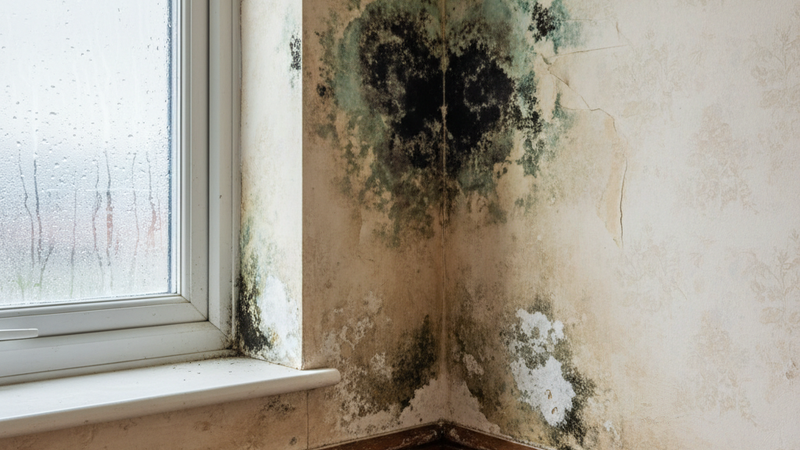
Mould is a prevalent issue in many UK homes and businesses, often going unnoticed until it becomes a significant problem. Understanding the fundamental properties of mould – what it is, how it grows, and its potential impact – is crucial for effective identification, remediation, and prevention. This comprehensive guide delves into the characteristics of mould, adhering to UK standards and best practices for a healthy living and working environment.
What is Mould? Understanding the Organism
Mould is a type of fungi that plays a vital role in nature, breaking down dead organic matter. However, when it establishes itself indoors, it can lead to various problems. Recognising the conditions that foster its growth is the first step towards control.
Biological Characteristics and Growth Conditions
Mould reproduces through microscopic spores that are ubiquitous in the air, both indoors and outdoors. These spores act like seeds, requiring specific conditions to germinate and grow. The primary elements for mould growth include:
- Moisture: This is the most critical factor. Mould thrives in damp, humid conditions. This can stem from leaks, condensation, floods, or high indoor humidity levels.
- Food Source: Mould can feed on almost any organic material, including wood, plasterboard, insulation, fabrics, dust, and even paints.
- Temperature: While mould can grow in a wide range of temperatures, it generally prefers moderate temperatures, similar to those found in homes.
- Oxygen: Most moulds are aerobic, meaning they require oxygen to grow.
Common Types and Appearance
There are thousands of types of mould, but a few are commonly found in UK properties. Their appearance can vary significantly:
- Cladosporium: Often appears as black or green spots on painted surfaces, insulation, and fabrics.
- Aspergillus: Can be green, white, or black, commonly found on walls, floors, and food.
- Penicillium: Typically blue or green, often found on water-damaged materials and food.
- Stachybotrys Chartarum (Black Mould): This type is often dark green or black and has a slimy texture when wet. It requires consistently high moisture levels to grow, often indicative of significant water damage.
Important point
The colour of mould is not a reliable indicator of its toxicity. Only laboratory testing can accurately identify mould species and potential health risks.
Health & Safety Concerns Associated with Mould
Exposure to mould can have a range of health impacts, particularly for vulnerable individuals. The UK's National Health Service (NHS) and Health and Safety Executive (HSE) provide guidance on these risks.
Potential Health Effects of Mould Exposure
Mould produces allergens, irritants, and sometimes toxic substances (mycotoxins). Inhaling or touching mould spores can trigger a variety of symptoms:
- Allergic Reactions: Sneezing, runny nose, red eyes, skin rash, and asthma attacks in people with asthma.
- Respiratory Issues: Wheezing, coughing, shortness of breath.
- Irritation: Eye, nose, throat, and skin irritation.
- Other Symptoms: Headaches, fatigue, and difficulty concentrating have also been reported.
For more detailed information on mould and health, visit the UKHSA guidance on damp and mould.
Vulnerable Groups and Workplace Risks
Certain groups are more susceptible to mould-related health problems:
- Infants and young children
- Elderly people
- Individuals with respiratory conditions (e.g., asthma, COPD)
- People with weakened immune systems (e.g., HIV-positive, chemotherapy patients)
- Those with mould allergies
In workplaces, employers have a duty under the Health and Safety at Work etc. Act 1974 to protect employees from health risks, including those posed by mould. The HSE provides specific guidance for managing mould in occupational settings.
UK Regulations and Standards for Mould Remediation
In the UK, mould remediation is governed by a combination of housing standards, health and safety regulations, and industry best practices to ensure properties are safe and habitable.
IICRC S520 and Industry Best Practices
The Institute of Inspection, Cleaning and Restoration Certification (IICRC) S520 Standard for Professional Mould Remediation is the industry's most comprehensive guide. While not a legally binding regulation in the UK, it represents the gold standard for professional mould remediation, outlining:
- Assessment: Thorough inspection and testing to determine the extent and type of contamination.
- Containment: Preventing the spread of spores during remediation.
- Air Filtration: Using HEPA filters to clean the air.
- Removal: Physically removing mould and mould-contaminated materials.
- Drying: Ensuring all affected areas are thoroughly dried to prevent re-growth.
- Clearance Testing: Post-remediation verification to ensure the property is clean and safe.
Housing Health and Safety Rating System (HHSRS) and Awaab's Law
The Housing Health and Safety Rating System (HHSRS) is a risk assessment tool used by local authorities in England and Wales to identify and assess potential hazards in residential properties, including damp and mould. Significant mould growth can be classified as a Category 1 hazard, requiring landlords to take remedial action.
Furthermore, Awaab's Law, in force for social landlords in England since 27 October 2025, sets strict timelines for social housing providers to address hazards like damp and mould, placing a greater legal obligation on landlords to maintain safe and healthy living conditions.
The Professional Mould Remediation Process
Engaging professional mould specialists ensures that mould is not just superficially cleaned but thoroughly removed, preventing recurrence and ensuring safety.
Assessment and Containment Strategies
The process begins with a detailed assessment to identify the source of moisture, the extent of mould growth, and the types of materials affected. This often involves moisture metres, thermal imaging, and sometimes air or surface sampling. Following assessment, containment is crucial, especially for larger infestations, to prevent spores from spreading to unaffected areas. This involves sealing off the work area using plastic sheeting and negative air pressure.
Removal, Cleaning, and Drying Protocols
Once contained, affected porous materials (e.g., drywall, insulation, carpets) are typically removed and safely disposed of. Non-porous surfaces are meticulously cleaned using antimicrobial solutions, followed by HEPA vacuuming. The area is then thoroughly dried using professional dehumidifiers and air movers to eliminate all moisture and prevent future growth. This step is critical and often takes several days.
Post-Remediation Verification and Clearance Testing
After physical removal and drying, a post-remediation verification is conducted. This may involve a visual inspection, moisture readings, and potentially clearance testing (e.g., air samples) by an independent third party to confirm that mould levels have returned to normal, acceptable baseline levels and that the property is safe for re-occupancy. This ensures compliance with standards like IICRC S520.
Prevention and Maintenance for a Mould-Free Home
Proactive measures are key to preventing mould from taking hold in your UK property.
Controlling Humidity and Improving Ventilation
Since moisture is mould's best friend, managing indoor humidity is paramount:
- Ventilation: Use extractor fans in kitchens and bathrooms. Open windows regularly, even for short periods, to allow air circulation.
- Dehumidifiers: In areas prone to high humidity (e.g., basements, utility rooms), a dehumidifier can help maintain ideal relative humidity levels (ideally between 30-50%).
- Drying Clothes: Avoid drying clothes indoors on radiators if possible, or ensure adequate ventilation when doing so.
Addressing Moisture Sources and Regular Inspections
Identifying and fixing sources of water intrusion immediately is crucial:
- Leaks: Promptly repair any plumbing leaks, roof leaks, or leaky windows.
- Condensation: Insulate cold surfaces like pipes and window frames to reduce condensation. Ensure adequate heating throughout the property.
- Gutters: Keep gutters and downpipes clean and in good repair to direct water away from the building.
- Routine Checks: Regularly inspect areas prone to dampness, such as bathrooms, kitchens, basements, and attics, for any signs of water stains or musty odours.
When to Call Professional Mould Remediation Specialists
While small mould patches can sometimes be cleaned by homeowners, certain situations demand professional intervention.
Identifying Signs of a Significant Mould Problem
You should consider calling professionals if you observe any of the following:
- Large Area of Growth: If mould covers an area larger than 1 square meter (roughly a metre by a metre, or about eight A3 sheets of paper).
- Recurrent Mould: If mould keeps returning despite your cleaning efforts.
- Hidden Mould: If you smell a persistent musty odour but cannot see the mould, indicating a hidden source behind walls or under flooring.
- Health Symptoms: If occupants are experiencing unexplained health issues that could be linked to mould exposure.
- Water Damage History: If the mould is a result of significant water damage, such as flooding or a burst pipe, as hidden mould is highly likely.
Benefits of Professional Intervention
Professional mould remediation offers several advantages:
- Expertise: Trained technicians understand mould properties, growth patterns, and safe removal techniques, adhering to IICRC S520 guidelines.
- Specialised Equipment: Professionals use industrial-grade equipment for containment, air filtration (HEPA), and drying.
- Thorough Remediation: They ensure mould is completely removed from affected materials and areas, not just surface cleaned.
- Prevention of Recurrence: Professionals identify and address the root cause of the moisture problem, reducing the likelihood of mould returning.
- Safety: They employ personal protective equipment (PPE) and containment measures to protect occupants and workers from spore exposure.
Considering the cost?
Check out our mould removal cost calculator to get an estimated price for professional remediation in your area.
Understanding mould properties is the first step in protecting your property and health. By being vigilant about moisture, maintaining good ventilation, and knowing when to call the experts, you can ensure a safer, healthier indoor environment. Explore our blog for more insights into maintaining a mould-free home.
Further reading on environmental health and indoor air quality can be found via reputable sources like UK Research and Innovation (UKRI).