Mould Prevention Products: Your UK Guide to a Healthy Home
Discover effective mould prevention products and strategies for UK homes. Learn about ventilation, dehumidifiers, and professional solutions to keep mould at bay.
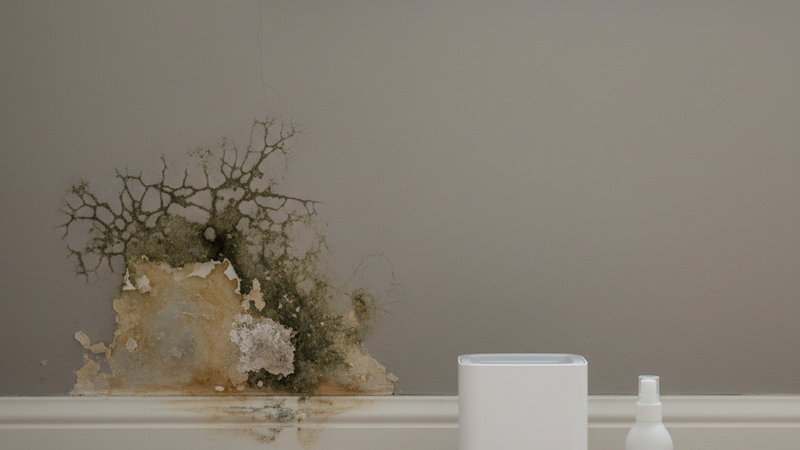
Mould in your home is not just an aesthetic issue; it can pose significant health risks and compromise the structural integrity of your property. This comprehensive guide delves into the world of mould prevention products, offering practical, IICRC S520-aligned advice tailored for the unique challenges of UK climates and housing stock.
Understanding Mould Growth and Its Causes
Before exploring prevention, it's crucial to understand why mould thrives indoors. Mould spores are omnipresent, but they only germinate and grow when specific conditions are met, primarily the presence of moisture and an organic food source.
The Essentials for Mould Proliferation
Mould requires four basic conditions to grow:
- Moisture: This is the most critical factor. Water ingress from leaks, condensation, high humidity, or flooding provides the necessary hydration.
- Food Source: Mould feeds on organic materials. Common household items like wallpaper, wood, plasterboard, dust, fabrics, and even some paints can serve as a food source.
- Temperature: Most moulds prefer temperatures between 20°C and 30°C, typical for UK indoor environments.
- Stagnant Air: Poor ventilation allows moisture and spores to settle and accumulate.
Common Moisture Sources in UK Homes
Identifying and addressing moisture sources is paramount for mould prevention. In the UK, common culprits include:
- Condensation: Often due to poor ventilation combined with everyday activities like cooking, showering, and drying clothes indoors.
- Leaking Pipes or Roofs: Hidden leaks can saturate building materials, leading to extensive mould growth behind walls or ceilings.
- Rising Damp: Moisture drawn up from the ground into walls, common in older properties without effective damp-proof courses.
- Penetrating Damp: Water entering through external walls due to faulty guttering, cracks, or deteriorated brickwork.
Important point
Always address the root cause of moisture. Simply cleaning visible mould without tackling the underlying damp issue will lead to its inevitable return.
Health Implications and UK Guidelines
Exposure to mould can have a range of health impacts, particularly for vulnerable individuals. Understanding these risks is key to appreciating the importance of effective mould prevention.
Recognised Health Risks of Mould Exposure
The NHS highlights that mould exposure can exacerbate respiratory conditions and trigger allergic reactions. Symptoms may include:
- Respiratory problems, such as wheezing, coughing, or shortness of breath.
- Nasal stuffiness, sore throat, and sneezing.
- Eye irritation.
- Skin rashes.
- Headaches and fatigue.
Individuals with asthma, allergies, compromised immune systems, and the very young or elderly are particularly susceptible.
UK Standards and Regulatory Frameworks
In the UK, housing conditions are scrutinised under several regulations:
- Housing Health and Safety Rating System (HHSRS): This system, used by local authorities, assesses 29 hazards in residential properties, listing damp and mould growth among them; severe cases score as a Category 1 hazard. Landlords have a legal obligation to address these issues. More information can be found on gov.uk.
- IICRC S520 (Standard for Professional Mould Remediation): While not a UK-specific regulation, this international standard is widely recognised and adhered to by professional mould remediation specialists in the UK. It outlines best practices for safe and effective mould removal, ensuring health and safety for occupants and technicians.
- Health and Safety Executive (HSE): The HSE provides guidance on mould and damp in workplaces, but its principles of risk assessment and control are broadly applicable to residential settings, especially regarding professional remediation.
Effective Mould Prevention Products and Strategies
Preventing mould is a multi-faceted approach involving environmental control, property maintenance, and targeted products.
Controlling Humidity and Ventilation
This is arguably the most impactful area for mould prevention in UK homes:
- Dehumidifiers: Essential for reducing ambient humidity, especially in damp rooms or during colder months when opening windows isn't practical. Look for models with a humidistat that automatically switch off when desired humidity levels are reached (ideally between 40-60%).
- Ventilation Systems: Installing or improving mechanical ventilation, such as extractor fans in bathrooms and kitchens, or Positive Input Ventilation (PIV) systems, can significantly reduce condensation and remove stale, moisture-laden air.
- Window Ventilation: Regularly opening windows, even just for 10-15 minutes a day, creates airflow, reducing internal humidity. This is particularly important after showering or cooking.
- Minimising Indoor Moisture Sources: Dry clothes outdoors where possible, cover pots when cooking, and fix any leaks promptly.
Surface Treatments and Mould-Resistant Materials
Preventative products for surfaces can add an extra layer of protection:
- Anti-Mould Paints: These paints contain fungicides that inhibit mould growth on surfaces. They are particularly useful in bathrooms, kitchens, and areas prone to condensation.
- Mould Inhibitors/Additives: Can be mixed into regular paints, grouts, or sealants to provide mould resistance.
- Moisture-Resistant Building Materials: When renovating or repairing, consider using mould-resistant plasterboard (often green-faced), dense materials less susceptible to moisture absorption, and specialised insulation.
- Sealants and Grouts: Use mildew-resistant silicone sealants and grouts in wet areas to prevent water ingress and mould colonisation.
Regular Cleaning and Maintenance
Good housekeeping plays a vital role:
- Regular Cleaning with Anti-Mould Sprays: Use household mould cleaners or natural alternatives like white vinegar (diluted 1:1 with water) for routine cleaning of susceptible areas. Always test cleaners on an inconspicuous area first.
- Vacuuming and Dusting: Mould spores often attach to dust. Regular cleaning, especially with a HEPA-filtered vacuum, reduces the amount of airborne spores.
- Gutter and Roof Maintenance: Keep gutters clear to prevent blockages and overflows that can lead to penetrating damp. Inspect your roof regularly for damaged tiles.
- Checking for Leaks: Periodically inspect pipes, under sinks, and around appliances for signs of leakage.
When to Call Professional Remediation Specialists
While prevention is key, sometimes mould growth becomes too extensive or complex for DIY solutions. Knowing when to engage professionals is crucial for health and property safety.
Indicators for Professional Intervention
You should consider calling a professional if:
- Mould covers an area larger than one square metre: The IICRC S520 standard does not set a size limit; the 10 square feet (approx. 0.93 sqm) rule of thumb comes from US EPA household guidance, and a one square metre threshold is widely used in the UK.
- You suspect hidden mould: If there's a strong musty odour but no visible mould, it's likely growing behind walls, under flooring, or in other concealed areas.
- You or family members experience unexplained health issues: Persistent respiratory problems, allergies, or other symptoms that improve when away from the property could indicate significant mould exposure.
- The mould is due to sewage or contaminated water: 'Black water' intrusions require immediate professional attention due to severe health risks.
- You've had flooding or significant water damage: Even after the water is removed, residual moisture can lead to widespread hidden mould quickly.
The Professional Remediation Process
A professional mould remediation company in the UK, adhering to IICRC S520 standards, will typically follow these steps:
- Assessment: Identifying the extent of mould growth, moisture sources, and affected materials.
- Containment: Sealing off affected areas to prevent the spread of spores to unaffected parts of the property. This often involves plastic sheeting and negative air pressure.
- Air Filtration: Using specialist HEPA air scrubbers and negative air machines to capture airborne mould spores.
- Moisture Source Repair: Crucially, the source of moisture must be fixed before remediation begins.
- Removal of Contaminated Materials: Non-salvageable porous materials (e.g., plasterboard, insulation, carpets) are safely removed and bagged.
- Cleaning and Disinfection: Non-porous surfaces are cleaned with biocide solutions and HEPA vacuumed to remove mould residue.
- Drying: Using industrial-grade dehumidifiers and air movers to thoroughly dry the affected area.
- Post-Remediation Verification (PRV): Optional but recommended, this involves independent testing to ensure mould levels have returned to normal fungal ecology.
Important point
For landlords, neglecting mould issues can have serious legal repercussions under legislation like the HHSRS and Awaab's Law (in force for social landlords in England since 27 October 2025), making professional prevention and remediation even more critical.
Long-Term Prevention and Maintenance
Sustainable mould prevention requires ongoing vigilance and proactive maintenance.
Implementing a Moisture Management Plan
Consider developing a routine for moisture control:
- Daily Habits: Regularly ventilate, use extractor fans effectively, and manage indoor drying.
- Seasonal Checks: Inspect exterior perimeters (roof, gutters, downpipes, cracks) before winter. Check for condensation buildup as temperatures drop.
- Appliance Maintenance: Ensure washing machines, dishwashers, and refrigeration units are in good repair and not leaking.
- Temperature Control: Maintain a consistent indoor temperature, avoiding extreme dips that promote condensation. A university such as UCL's Energy Institute often publishes research on optimal indoor climate control for energy efficiency and health.
Professional Preventative Services
For larger properties or those with persistent issues, professional services can include:
- Damp Surveys: Specialist surveys to identify hidden damp issues, their causes (e.g., rising or penetrating damp), and recommend effective solutions.
- Humidity Monitoring and Control System Installation: Installation of integrated systems that monitor and control indoor humidity levels, often linking to automated ventilation.
- Protective Coatings: Application of advanced moisture barriers or anti-microbial coatings in high-risk areas.
By integrating a combination of smart product choices, diligent maintenance, and professional support when needed, UK homeowners and landlords can effectively combat mould and cultivate a healthier living environment. For more insights into mould management, browse our blog or use our cost calculator to understand potential remediation expenses.