Mould Proofing UK: Ultimate Guide to Prevention & Control
Discover comprehensive mould proofing strategies for UK homes. Learn how to prevent, identify, and deal with mould to protect your property and health.
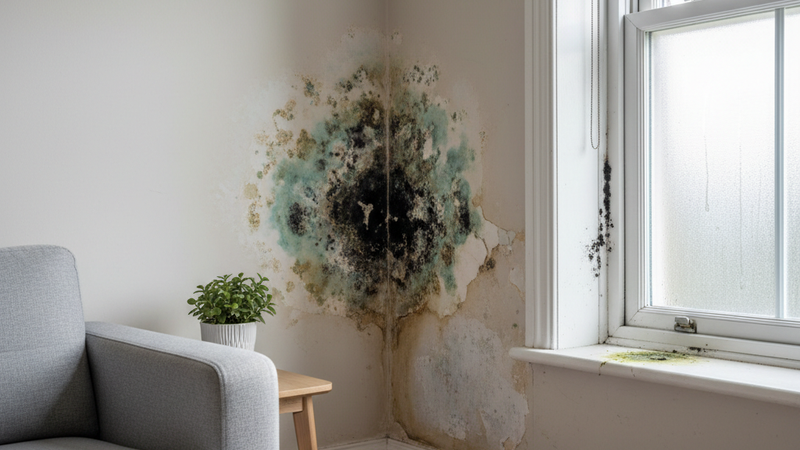
Mould proofing is more than just cleaning visible patches; it's a comprehensive strategy to prevent mould growth in your UK property, safeguarding both the building's integrity and the health of its occupants. Given the UK's often damp climate, understanding and implementing effective mould proofing techniques is crucial for every homeowner and tenant.
Understanding Mould and Its Impact
Mould is a common problem in many UK homes, often appearing as fuzzy, discoloured patches on walls, ceilings, and other surfaces. It thrives in damp, humid conditions and can quickly spread if left unaddressed. Understanding what mould is and why it's harmful is the first step towards effective mould proofing.
What is Mould?
Mould is a type of fungus that grows in multicellular filaments called hyphae. It reproduces by producing microscopic spores that are invisible to the naked eye and float through the air. When these spores land on a damp surface with an organic food source, they begin to grow and form colonies. Common food sources include plasterboard, wood, insulation, and even dust.
In the UK, condensation is a primary driver of mould growth, especially during colder months when warm, moist air meets cold surfaces. Leaks, rising damp, and insufficient ventilation also contribute significantly to the problem.
Health & Safety Concerns Posed by Mould
Beyond its unsightly appearance, mould poses significant health risks. Exposure to mould spores can trigger allergic reactions, respiratory problems, and other health issues, particularly for vulnerable individuals.
Important point
The NHS advises that mould exposure can cause a range of symptoms including sneezing, runny nose, red eyes, skin rash, and can worsen asthma or cause allergic alveolitis. For more information, refer to the NHS website on allergies.
The Health and Safety Executive (HSE) also highlights the risks associated with mould, particularly in workplace environments but equally applicable to homes. Prolonged exposure can lead to chronic health problems. For detailed guidance, consult the HSE's information on mould.
UK Regulations and Standards for Mould
In the UK, a framework of regulations and guidelines exists to ensure properties are safe and healthy, specifically addressing issues like damp and mould. Adhering to these standards is crucial for landlords, homeowners, and remediation specialists alike.
Housing Health and Safety Rating System (HHSRS)
The HHSRS is a risk assessment tool used by local authorities to identify and assess potential hazards in residential properties, including damp and mould. It evaluates the potential harm to an actual or potential occupier of a dwelling. Significant damp and mould growth can be classified as a Category 1 hazard, requiring immediate action from landlords.
Awaab's Law, in force in England since 27 October 2025, strengthens tenants' rights by setting strict deadlines for social landlords to investigate and fix hazards like mould.
IICRC S520 and Industry Best Practices
While not a statutory regulation in the UK, the Institute of Inspection, Cleaning and Restoration Certification (IICRC) S520 standard is the globally recognised guideline for professional mould remediation. It outlines best practices for assessing, containing, and safely removing mould, ensuring effective and thorough remediation.
- Assessment: Identifying the moisture source and extent of contamination.
- Containment: Preventing the spread of mould spores during remediation.
- Filtration: Using HEPA filters to clean the air.
- Removal: Physically removing mould-affected materials.
- Drying: Ensuring the affected area is thoroughly dried to prevent re-growth.
- Post-remediation Verification: Testing to confirm mould has been successfully removed.
Professional Mould Proofing and Remediation Process
When mould infestation is extensive or recurring, professional intervention is often necessary. A structured remediation process, guided by industry standards, ensures effective and lasting results.
Initial Assessment and Moisture Source Identification
The first and most critical step is to accurately identify the source of moisture causing the mould. Without addressing the moisture, mould will inevitably return. Professionals use advanced tools like thermal imaging cameras and moisture meters to pinpoint leaks, condensation hotspots, and other damp issues. This assessment also determines the extent of the mould growth and the appropriate remediation category.
Containment and Remediation
Once the source is identified and isolated, the remediation process begins. This involves containing the affected area to prevent cross-contamination to other parts of the property. Air filtration devices (AFDs) with HEPA filters are used to scrub the air of mould spores. Affected materials are then carefully removed and disposed of according to strict waste management guidelines.
Surfaces are thoroughly cleaned using biocide treatments to eliminate any remaining mould and spores. The area is then dried using industrial dehumidifiers and air movers to bring moisture levels back to normal, preventing future growth.
Post-Remediation Verification and Repairs
After remediation, a thorough post-remediation verification is conducted. This may involve visual inspections, moisture readings, and, if necessary, air or surface sampling to confirm that mould levels have returned to normal, healthy levels. Only then are necessary repairs undertaken, such as replastering or redecorating, ensuring the property is returned to its pre-loss condition.
Effective Prevention and Maintenance Strategies
Mould proofing is fundamentally about prevention. By adopting proactive measures, homeowners and tenants can significantly reduce the risk of mould growth.
Controlling Moisture and Humidity
The golden rule of mould prevention is to control moisture. This includes:
- Ventilation: Ensure good airflow throughout your home. Open windows, use extractor fans in kitchens and bathrooms, and consider trickle vents.
- Heating: Maintain a consistent, moderate temperature in your home to prevent cold spots where condensation can form.
- Repair Leaks Promptly: Fix any leaks from plumbing, roofs, or windows immediately.
- Manage Condensation: Wipe down condensed surfaces, dry clothes outdoors or in a well-ventilated space, and cover pans when cooking.
- Dehumidifiers: In particularly damp areas, a dehumidifier can help keep humidity levels below 60%.
Regular Cleaning and Inspection
Regular cleaning helps remove mould spores and dirt that mould feeds on. Pay special attention to areas prone to damp, such as bathrooms, kitchens, and basements. Inspect your property regularly for early signs of mould, musty smells, or damp patches.
Proactive Tip
Check behind furniture, in cupboards, and under sinks periodically, as mould can often grow unnoticed in these hidden spots.
Consider Mould-Resistant Materials
When renovating or making repairs, consider using mould-resistant materials. These include:
- Mould-resistant plasterboard
- Anti-mould paints and primers
- Moisture-resistant sealants for bathrooms and kitchens
- Tiles and other non-porous surfaces in wet areas
When to Call Professional Mould Remediation Experts
While small patches of surface mould can often be tackled by homeowners using appropriate safety precautions, there are specific situations where professional mould remediation is essential. Attempting to handle large or pervasive mould issues yourself can be ineffective and potentially hazardous.
Signs You Need Professional Help
If you encounter any of the following, it's time to call in the experts:
- Large Areas of Mould: If mould covers an area larger than one square metre (approximately 10 sq ft).
- Recurrent Mould: If mould keeps returning despite your best efforts.
- Hidden Mould: If you smell a musty odour but can't see the mould, indicating growth behind walls or under flooring.
- Health Concerns: If occupants are experiencing persistent health issues that you suspect are linked to mould.
- After Water Damage: Following a flood or significant water leak, even if mould isn't immediately visible.
Benefits of Professional Mould Remediation
Hiring professional mould specialists ensures a thorough, safe, and effective resolution. Benefits include:
- Expert Identification: Professionals can accurately identify the moisture source and type of mould.
- Safe Containment: They use specialised equipment to prevent mould spores from spreading during removal.
- Thorough Removal: Proper techniques ensure mould is not just bleached but completely eradicated.
- Structural Drying: Industrial-grade drying equipment prevents future re-growth.
- Post-Remediation Verification: Ensuring the problem is resolved and the air quality is safe.
- Reduced Health Risk: Minimising exposure for occupants during the process.
Curious about the investment? You can find more information on costs using our mould removal cost calculator.
Choosing a Qualified UK Specialist
When selecting a mould remediation company in the UK, look for certifications and adherence to industry standards. Companies that follow IICRC S520 guidelines demonstrate a commitment to best practices. Always ask for references and ensure they are insured.
By prioritising mould proofing and acting decisively when mould appears, you can protect your property and your family's health. For more insights and tips, explore our blog.
Further reading on mould and health: Gov.uk - Health effects of damp and mould and University of Sheffield research on mould health risks.