White Fluffy Mould: Identification, Health Risks & Removal UK
Discover what white fluffy mould is, its health risks, and how to effectively remove and prevent it in your UK home. Learn from expert advice.
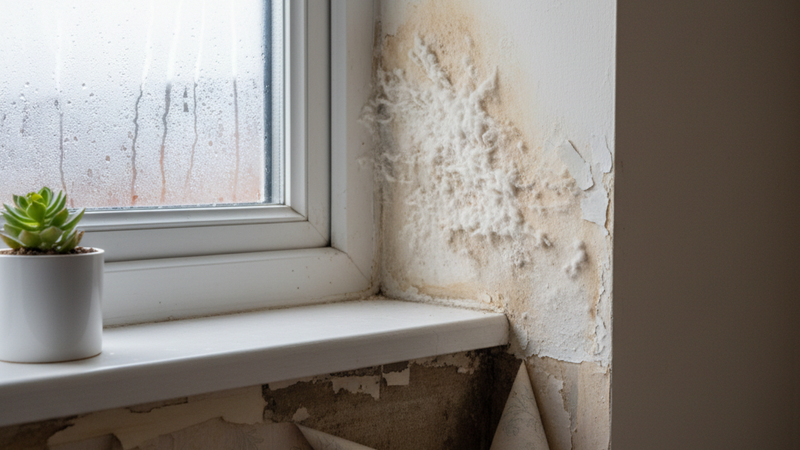
Encountering white fluffy mould in your home can be an unsettling discovery. Often mistaken for efflorescence or other harmless mineral deposits, this type of mould can pose significant health risks and indicate underlying damp issues within your property. Understanding its characteristics, potential dangers, and the correct remediation steps is crucial for maintaining a healthy living environment.
Understanding White Fluffy Mould
White fluffy mould, is not a single species but is often an early, unpigmented stage of common moulds such as Penicillium, Aspergillus or Cladosporium, and is a common indoor growth. It typically appears as a light, cotton-like growth that can range in colour from pure white to off-white or light grey, often with a fuzzy or powdery texture. This mould thrives in environments with high humidity and limited airflow.
What Does White Fluffy Mould Look Like?
White fluffy mould presents distinct visual characteristics that differentiate it from other types of mould or efflorescence. It often starts as small, scattered white spots that can quickly grow into larger, interconnected patches. The texture is usually soft and cotton-like, making it appear 'fluffy'. Unlike efflorescence, which is a crystalline salt deposit that feels powdery or gritty and crumbles easily, mould will feel fuzzy and might have a slightly musty smell.
Important point
Always exercise caution when inspecting suspected mould. Do not touch it directly without proper personal protective equipment (PPE) to avoid spore dispersal and direct contact.
Common Locations for White Fluffy Mould
This type of mould frequently appears in areas prone to dampness and condensation. Common locations include:
- Bathrooms: On ceilings, walls, grout lines, and around windows due to high humidity from showers.
- Kitchens: Behind appliances, under sinks, and near condensation points.
- Basements and Cellars: Walls, floors, and stored items due to persistent dampness and poor ventilation.
- Lofts and Attics: On wooden beams, insulation, and roof lining, often indicating roof leaks or condensation issues.
- Behind Furniture: Where airflow is restricted and condensation can build up on cold walls.
Distinguishing Mould from Efflorescence
It's easy to confuse white fluffy mould with efflorescence, a harmless, crystalline deposit. Here’s how to tell the difference:
- Texture: Mould is fuzzy or slimy; efflorescence is powdery or crusty.
- Smell: Mould often has a musty or earthy odour; efflorescence is odourless.
- Solubility: Efflorescence dissolves in water; mould does not.
- Location: Efflorescence typically forms on masonry or concrete when water containing salts evaporates. Mould can grow on almost any organic surface.
Health and Safety Concerns
Exposure to mould, including white fluffy mould, can lead to a range of health issues, particularly for sensitive individuals. Mould spores, when inhaled, can trigger allergic reactions, respiratory problems, and other adverse effects. Addressing mould promptly is not just about property maintenance; it's a critical health imperative.
Potential Health Effects of Mould Exposure
The NHS provides clear guidance on the health impacts of damp and mould. Exposure can cause symptoms such as:
- Respiratory Issues: Wheezing, shortness of breath, asthma attacks, particularly in those with pre-existing conditions.
- Allergic Reactions: Sneezing, runny nose, red eyes, skin rashes.
- Other Symptoms: Headaches, fatigue, irritation of the eyes, nose, throat, and skin.
Individuals most at risk include babies and children, elderly people, those with existing respiratory conditions (like asthma), people with weakened immune systems, and individuals with skin conditions such as eczema. For more detailed information, consult the official NHS damp and mould guidance.
Workplace Regulations and Tenant Responsibilities
For workplaces, the Health and Safety Executive (HSE) sets guidelines to ensure a safe environment. Employers have a duty of care to address mould issues. For tenants, especially after the introduction of Awaab's Law, social landlords in England now have a legal obligation to respond to reports of damp and mould within fixed timescales. This strengthens protections for tenants against landlord inaction on serious hazards. More information can be found on the HSE website.
UK Regulations and Standards for Mould Remediation
In the UK, mould remediation is governed by several important standards and regulations. Adhering to these ensures that mould is removed safely and effectively, protecting both occupants and remediation professionals.
IICRC S520: The Industry Standard
The primary guideline for professional mould remediation is the IICRC S520 standard, "Standard and Reference Guide for Professional Mould Remediation". This comprehensive document outlines the principles, methods, and practices for safe and effective mould removal. It covers assessment, containment, removal, and post-remediation verification, ensuring that mould is not just removed but that the underlying moisture problem is addressed to prevent recurrence.
Housing Health and Safety Rating System (HHSRS)
The Housing Health and Safety Rating System (HHSRS) is a risk assessment tool used by local authorities in England and Wales to identify and evaluate potential hazards in residential properties. Damp and mould growth is one of the 29 HHSRS hazards, and a severe case can be rated a Category 1 hazard, meaning it poses a serious threat to occupants' health and safety. Landlords have a legal responsibility to address such hazards, and failure to do so can result in enforcement action from local councils.
Professional Mould Remediation Process
For significant or widespread white fluffy mould contamination, professional remediation is highly recommended. A structured approach following IICRC S520 guidelines ensures thorough removal and prevents further spread.
Assessment and Containment
The first step involves a comprehensive assessment to identify the extent of the mould growth and the source of moisture. This may include thermal imaging and moisture meters. Once assessed, containment measures are put in place to prevent the spread of mould spores to unaffected areas. This typically involves using plastic sheeting, negative air pressure machines, and air scrubbers with HEPA filters.
Mould Removal and Cleaning
Trained technicians, wearing appropriate PPE, will physically remove mould-affected materials. This often means carefully cutting out and bagging contaminated drywall, insulation, or other porous materials. Hard surfaces are cleaned using specialised antimicrobial solutions and then thoroughly dried. It's crucial to remove, not just kill, mould, as dead mould spores can still cause health problems.
Drying and Post-Remediation Verification
After mould removal, the affected area is thoroughly dried using powerful dehumidifiers and air movers to bring moisture levels back to normal. A post-remediation verification (PRV), often involving air sampling and visual inspection, is conducted by an independent third party to confirm that the mould has been successfully removed and spore levels are within acceptable limits. Rebuilding and restoration work can then begin.
Prevention and Maintenance
Preventing white fluffy mould is far easier than remediating it. The key lies in controlling moisture and ensuring adequate ventilation throughout your property.
Controlling Humidity and Ventilation
High humidity is the primary driver for mould growth. Implement the following:
- Ventilation: Open windows regularly, especially after showering, cooking, or drying laundry indoors. Use extractor fans in bathrooms and kitchens.
- Dehumidifiers: Use dehumidifiers in damp areas like basements or during humid seasons to maintain indoor humidity below 60%.
- Heating: Ensure your home is adequately heated to prevent cold spots where condensation can form.
- Airflow: Keep furniture slightly away from walls to allow air circulation.
Addressing Moisture Sources
Eliminating the source of excess moisture is critical for long-term mould prevention:
- Leaks: Promptly repair any leaks in roofs, pipes, or appliances.
- Damp Proofing: Ensure your property has adequate damp-proofing to prevent rising or penetrating damp.
- Gutters and Downpipes: Keep them clear and in good repair to direct rainwater away from your property.
- Condensation: Improve insulation to reduce cold surfaces where condensation can form.
Regular Cleaning and Monitoring
Regularly inspect your home for signs of mould, especially in known problem areas. Clean surfaces with appropriate mould inhibitors and keep your home tidy. If you notice a musty smell, investigate its source promptly.
When to Call Professional Mould Specialists
While small patches of mould might be tackleable by homeowners, certain situations necessitate professional intervention to ensure safety and effective remediation.
Signs You Need Professional Help
You should call professional mould specialists if:
- Large Area: The mould covers an area larger than 1 square metre (roughly a 3ft by 3ft patch).
- Recurrence: Mould repeatedly returns after your attempts to clean it.
- Health Concerns: Occupants are experiencing persistent health issues that you suspect are linked to mould.
- Hidden Mould: You suspect mould growth behind walls, under flooring, or in inaccessible areas (indicated by a strong musty smell).
- Water Damage: The mould is due to severe water damage, such as flooding or burst pipes.
- Special Materials: Mould is affecting HVAC systems, porous materials like carpets, or delicate surfaces.
Benefits of Professional Mould Remediation
Engaging professional mould remediation services offers numerous advantages:
- Expertise: Professionals have the knowledge to correctly identify mould types and underlying moisture issues.
- Safety: They use appropriate PPE and containment to protect occupants and prevent cross-contamination.
- Thoroughness: Remediation follows industry standards (IICRC S520) ensuring complete mould removal and prevention of recurrence.
- Specialised Equipment: Access to industrial-grade dehumidifiers, air scrubbers, and cleaning agents.
- Prevention: They can advise on long-term prevention strategies specific to your property.
- Certification: Professional companies often offer guarantees on their work, providing peace of mind.
Don't let white fluffy mould compromise your health or property. Early detection and appropriate action are vital. For more insights on costs, try our mould removal cost calculator or browse our blog for related articles on maintaining a mould-free home.
Further Reading
For academic perspectives on mould and its impact on indoor environments, you can also explore research from UK institutions, such as studies on indoor air quality by universities like Cambridge University.