Green Fluffy Mould: UK Guide to Remediation & Prevention
Discover what green fluffy mould means in your UK home, its health risks, and professional remediation strategies. Learn prevention tips.
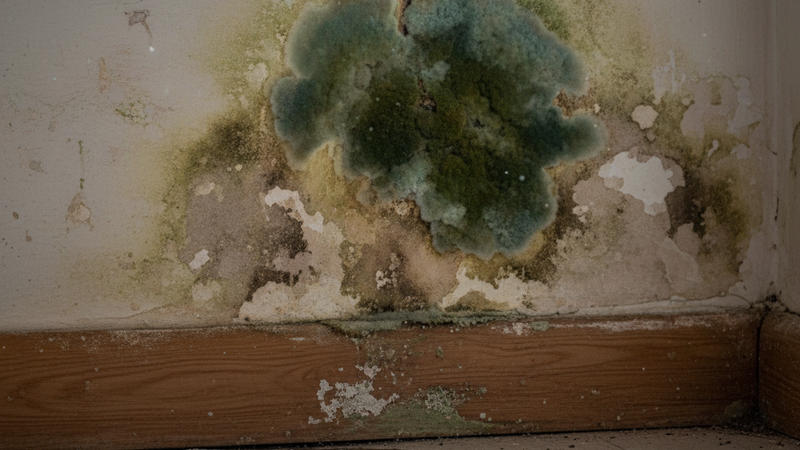
Encountering green fluffy mould in your UK property is a common yet concerning issue that signals underlying dampness and can pose significant health risks. This comprehensive guide will delve into understanding what this type of mould is, its causes, the dangers it presents, and how professional remediation services, compliant with UK standards like IICRC S520, can effectively address and prevent its return.
Understanding Green Fluffy Mould in UK Properties
Green fluffy mould often appears as fuzzy, moss-like patches on walls, ceilings, and other surfaces, indicating active moisture problems. Identifying its presence early is crucial for effective management and preventing extensive damage.
Common Types and Appearance
While many mould species can appear green, some of the most common culprits for fluffy green growth include various species of Penicillium and Aspergillus. These moulds thrive in damp, humid environments and can range in colour from light green to dark olive, often feeling soft or velvety to the touch. Their 'fluffy' appearance is due to the way their hyphae (root-like structures) grow outwards, seeking nutrients and moisture.
They are frequently found in areas with poor ventilation, such as bathrooms, kitchens, and basements, or near leaky pipes and windows. Understanding the specific type isn't always necessary for initial identification, but recognising the green, fuzzy texture is a strong indicator of mould presence.
Key Causes of Mould Growth
Mould requires three essential elements to thrive: moisture, a food source (any organic material like plaster, wood, or dust), and suitable temperatures. In the UK, high humidity levels, condensation, and structural issues are primary contributors to mould problems.
- Condensation: Often due to poor ventilation combined with warm, moist air meeting colder surfaces. This is very common in older UK homes.
- Leaks: From plumbing, roofs, or windows, providing a consistent moisture source.
- Rising Damp: Where groundwater rises through permeable building materials, a prevalent issue in many older British properties.
- Penetrating Damp: Caused by external water ingress through walls, often due to faulty guttering or damaged render.
Health & Safety Concerns of Green Fluffy Mould
Exposure to mould, especially green fluffy mould, can significantly impact human health. The release of mould spores, mycotoxins, and volatile organic compounds (VOCs) into the air can trigger various adverse reactions, particularly in vulnerable individuals.
Recognising Health Symptoms
The NHS advises that mould exposure can lead to a range of health issues. Symptoms often mimic allergies or respiratory illnesses and can include:
- Respiratory problems: Wheezing, coughing, shortness of breath, asthma attacks.
- Allergic reactions: Sneezing, runny nose, red eyes, skin rash.
- Irritation: Eye, nose, throat irritation.
- Other symptoms: Headaches, fatigue, and in rare cases, more severe infections for immunocompromised individuals.
Who is Most at Risk?
While anyone can be affected, certain groups are particularly vulnerable to the health impacts of mould:
- Infants and young children: Their developing respiratory systems are more susceptible. See:
- Elderly individuals: Often have weaker immune systems and pre-existing health conditions.
- Individuals with asthma or other respiratory conditions: Mould can exacerbate these conditions significantly.
- People with compromised immune systems: Such as those undergoing chemotherapy or with autoimmune diseases.
- Those with allergies: Mould spores are common allergens.
Important point
The Health and Safety Executive (HSE) also provides guidance on hazardous substances, including mould, in workplaces, emphasising the importance of protecting sensitive individuals and implementing control measures to minimise exposure to biological hazards like mould.
UK Regulations and Standards for Mould Remediation
In the UK, addressing mould goes beyond simple cleaning; it often involves navigating specific regulations designed to ensure properties are safe and habitable. Professionals adhere to internationally recognised and UK-relevant standards.
IICRC S520 and UK Best Practices
The IICRC S520 Standard for Professional Mould Remediation is the globally recognised benchmark for safe and effective mould removal, and forms the cornerstone of best practice in the UK. This standard outlines a scientific and systematic approach, including:
- Thorough assessment and moisture source identification.
- Containment to prevent cross-contamination.
- Air filtration using HEPA filters.
- Safe removal of contaminated materials.
- Cleaning and disinfection.
- Structural drying and prevention of recurrence.
- Post-remediation verification.
Adherence to S520 ensures that mould is not just removed but the underlying issues are resolved, protecting both occupants and remediation technicians.
Housing Health and Safety Rating System (HHSRS)
The Housing Health and Safety Rating System (HHSRS) is a risk assessment tool used by local authorities in England and Wales to identify and assess potential hazards in residential properties. Mould and dampness fall under Category 1 hazards if severe enough, obligating landlords to take action to remove the hazard. This is particularly relevant with the recent introduction of Awaab's Law, which strengthens tenants' rights and mandates swift action on hazards like mould.
Professional Mould Remediation Process
Addressing green fluffy mould effectively requires a methodical and professional approach. Attempting to clean extensive mould yourself without proper knowledge or equipment can spread spores and exacerbate the problem.
Assessment and Containment
The first step for any professional mould remediation specialist is a comprehensive assessment to determine the extent of the contamination and identify all moisture sources. This often involves moisture metres, thermal imaging, and visual inspection. Once assessed, containment strategies are implemented.
- Isolation: Sealing off the affected area with plastic sheeting and negative air pressure to prevent spores from spreading.
- Air Filtration: Using HEPA air scrubbers to capture airborne mould spores within the contained zone.
- Moisture Source Repair: Crucially, the source of moisture must be fixed before remediation can proceed effectively.
Removal and Restoration
After containment, the physical removal of mould begins. This involves specialised techniques and equipment to safely eliminate mould colonies and restore affected areas.
- Material Removal: Porous materials like plasterboard, insulation, and carpets heavily contaminated with mould are often safely removed and disposed of according to local regulations.
- Surface Cleaning: Non-porous surfaces are cleaned with UK-authorised antimicrobial agents and advanced cleaning methods.
- Drying: Professional-grade dehumidifiers and air movers are used to thoroughly dry the affected areas, preventing future growth.
- HVAC Cleaning: If the HVAC system is contaminated, it also requires professional cleaning to prevent recirculation of spores.
Post-Remediation Verification
Once remediation is complete, a final inspection is performed to ensure the mould has been entirely removed and the affected area is dry and safe. This can include visual inspection, moisture readings, and sometimes air sampling to confirm spore levels are within acceptable limits. This step provides peace of mind and confirms the effectiveness of the remediation.
Prevention and Maintenance Strategies
Preventing green fluffy mould from returning is paramount after remediation. Proactive measures regarding ventilation, humidity control, and property maintenance are essential for all UK homeowners and landlords.
Effective Ventilation and Humidity Control
Good ventilation is key to reducing condensation and stagnant, moist air, which are prime conditions for mould. Simple habits can make a big difference.
- Ventilate Regularly: Open windows for short periods daily, especially after showering, cooking, or drying laundry indoors.
- Use Extractor Fans: Ensure bathrooms and kitchens have properly functioning extractor fans and use them consistently.
- Maintain Moderate Temperatures: Keep your home consistently warm to prevent cold spots where condensation forms.
- Dehumidifiers: In particularly damp areas or during humid seasons, a dehumidifier can help keep indoor humidity levels below 60%.
Regular Property Maintenance
Addressing maintenance issues promptly is crucial to preventing moisture ingress.
- Check for Leaks: Regularly inspect plumbing, roofs, gutters, and window seals for any signs of leaks or water damage.
- Clear Gutters: Ensure gutters are free from debris to allow water to drain away from the property.
- Seal Gaps: Seal cracks around windows and doors to prevent water ingress.
- Inspect Foundations: Periodically check for any signs of rising damp or penetrating damp and address them immediately.
Proactive Tip
Regularly clean and dust your home. Mould spores can feed on dust, so keeping surfaces clean removes a potential food source. This includes vacuuming with a HEPA filter.
When to Call Professional Mould Remediation Specialists
While small patches of mould might be manageable for a homeowner to clean, there are definitive signs that indicate the need for professional intervention to ensure safety and effective removal.
Signs Indicating Professional Help is Needed
Do not hesitate to contact experts if you observe any of the following:
- Large Areas of Growth: If the mould covers an area larger than 1 square metre (roughly a metre by a metre, or about eight A3 sheets of paper).
- Persistent Odour: A strong, musty smell, even if mould isn't visible, suggests hidden mould growth within walls or under flooring.
- Health Symptoms: If occupants are experiencing mould-related health issues, especially respiratory problems or persistent allergies.
- Recurrent Growth: If mould continually returns after your attempts to clean it.
- Suspicion of Hidden Mould: If you suspect mould behind walls, under floors, or in difficult-to-reach areas.
- Severe Water Damage: If the mould is a result of significant water damage, such as flooding or a burst pipe.
Benefits of Professional Mould Remediation
Engaging professional mould remediation services in the UK offers numerous advantages:
- Expertise: Trained technicians have the knowledge to identify the mould type, its source, and the most effective way to remove it safely.
- Safety: Professionals use appropriate PPE and containment to protect themselves, your property, and its occupants from spore exposure.
- Specialised Equipment: Access to industrial-grade dehumidifiers, HEPA air scrubbers, and antimicrobial treatments ensures thorough removal and drying.
- Long-Term Solutions: Addressing the root cause of the moisture problem to prevent recurrence.
- Health Protection: Minimising health risks for occupants by ensuring complete and safe removal.
- Peace of Mind: Knowing that the problem has been handled correctly and your property is safe and healthy.
For more insights, browse our blog or use our cost calculator to estimate remediation expenses.