What Causes Mould on Furniture: UK Guide to Prevention & Removal
Discover the main causes of mould on furniture in UK homes, learn about health risks, and find expert advice on prevention and professional remediation.
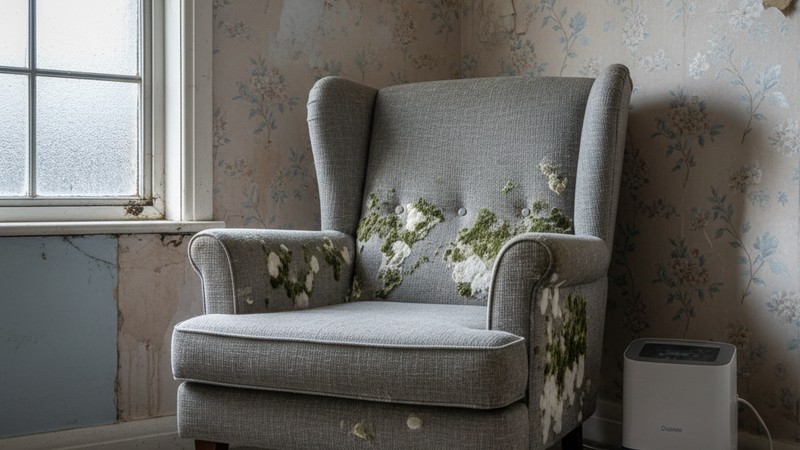
Mould on furniture is a common and unwelcome sight in many UK homes, often attributed to the country's damp climate and older housing stock. It not only blemishes your beloved items but can also permeate soft furnishings, leading to persistent odours and potential health issues. Understanding the underlying causes is the first step towards effective prevention and remediation, ensuring your home remains a healthy and comfortable environment.
Understanding Mould Growth on Furniture
Mould is a type of fungus that thrives in specific conditions, producing spores that are ubiquitous in our environment. When these spores land on a suitable surface like furniture and find the right conditions, they can quickly colonise and grow. Furniture, particularly upholstered items, wood, and leather, provides an excellent substrate for mould due to its organic composition.
The Role of Moisture and Humidity
Moisture is the single most critical factor for mould growth. Without it, mould cannot thrive. In the UK, high ambient humidity levels, especially during colder months when ventilation is reduced, contribute significantly to this problem. Condensation forming on cold surfaces, leaks, and even everyday activities like showering and cooking without proper extraction can elevate indoor humidity.
- Condensation: Cold walls, windows, and poorly insulated furniture backs can cause moisture from the air to condense, creating damp spots where mould can start.
- High Relative Humidity (RH): Indoor air with RH consistently above 60% provides an ideal breeding ground for many types of mould. This is often exacerbated in poorly heated or ventilated rooms.
- Leaks and Water Damage: Hidden leaks from plumbing, roofs, or rising damp can saturate furniture unknowingly, leading to extensive mould growth.
Ventilation and Air Circulation Issues
Poor ventilation plays a significant role in trapping moisture-laden air inside your home, creating stagnant environments. When furniture is placed too close to walls, especially external ones, it obstructs airflow, leading to concentrated pockets of humidity and cooler surface temperatures behind or underneath the items.
- Obstructed Airflow: Furniture pushed tight against walls, particularly in corners or against exterior walls, prevents air from circulating, allowing moisture to accumulate.
- Lack of Airing: Infrequent opening of windows, especially in bedrooms and living areas, means humid air isn't replaced with drier external air, leading to a build-up of moisture.
Material Susceptibility and Organic Food Sources
Mould feeds on organic matter, and many furniture materials are excellent food sources. Dust, skin flakes, and general debris that accumulate on furniture also provide nutrients for mould spores.
- Upholstery and Fabrics: Cotton, linen, wool, and synthetic blends can all harbour mould, especially when damp. They absorb moisture readily and provide a fibrous surface for spores to cling to.
- Wood: Unsealed or distressed wood can be particularly susceptible. Plywood and particle board, with their glues and binders, also offer rich organic nutrients.
- Leather: While often more resistant due to its denser structure, leather can still develop mould, especially if damp and stored in humid conditions.
Health and Safety Concerns of Mould on Furniture
Beyond the aesthetic damage, residential mould can pose significant health risks, particularly for vulnerable individuals. The spores released by mould can be inhaled, leading to various respiratory and allergic reactions. The UK's UKHSA guidance on damp and mould provides valuable information on the health impacts of damp and mould.
Respiratory and Allergic Reactions
Exposure to mould spores can trigger or exacerbate a range of health problems. Common symptoms include coughing, wheezing, throat irritation, and skin rashes.
- Asthma Exacerbation: For individuals with asthma, mould can trigger severe attacks.
- Allergic Rhinitis: Symptoms similar to hay fever, such as sneezing, runny nose, and itchy eyes, are common.
- Hypersensitivity Pneumonitis: In rare but serious cases, prolonged exposure can lead to a severe lung condition.
Impact on Vulnerable Groups
Certain demographics are especially susceptible to mould-related health issues due to their developing or compromised immune systems. This includes young children, the elderly, and individuals with pre-existing respiratory conditions or weakened immune responses.
- Infants and Children: Their developing respiratory systems are more vulnerable to airborne irritants.
- Immunocompromised Individuals: Those undergoing chemotherapy, organ transplant recipients, or people with autoimmune diseases are at higher risk of infections.
Regulatory Guidance from HSE
The Health and Safety Executive (HSE) offers guidance on mould in workplaces, much of which is transferable to residential settings. They emphasise risk assessment and appropriate control measures to protect occupants from mould exposure, particularly for landlords and property managers.
Important point
Never attempt to clean extensive mould yourself if you are particularly sensitive or if the mould covers a large area (more than a square metre) due to the risk of spore release.
UK Regulations and Standards for Mould Remediation
In the UK, the approach to mould remediation is informed by a combination of housing regulations, health guidelines, and industry best practices. Adherence to these standards ensures safe and effective removal.
IICRC S520: The Industry Benchmark
While not a specific UK law, the IICRC S520 Standard for Professional Mould Remediation is globally recognised and widely adopted by professional mould remediation specialists in the UK. It provides comprehensive guidelines for assessing, containing, removing, and preventing mould growth safely.
- Containment: Preventing the spread of mould spores to unaffected areas.
- Air Filtration: Using HEPA filters to capture airborne mould spores.
- Source Removal: Physically removing contaminated materials, not just cleaning mould.
- Prevention of Recurrence: Addressing the underlying moisture issues.
Housing Health and Safety Rating System (HHSRS)
For landlords and housing providers, the Housing Health and Safety Rating System (HHSRS), enforced by local authorities, considers damp and mould growth as one of its 29 hazards, and a serious case can be rated as a Category 1 hazard. This places a legal obligation on landlords to address and mitigate these issues, ensuring properties are safe and healthy for tenants.
Awaab's Law and Tenant Rights
Following the tragic death of Awaab Ishak, new legislation known as Awaab's Law came into force for social landlords in England on 27 October 2025. It strengthens tenants' rights regarding housing conditions, particularly mould and damp, by introducing strict deadlines for social landlords to investigate and fix hazards. You can read more about its implications in our Awaab's Law 2025 article.
The Professional Mould Remediation Process
When mould affects furniture significantly, or when the problem is widespread, professional intervention is essential. A professional remediation process is designed to be thorough, safe, and effective, following the IICRC S520 guidelines.
Assessment and Containment
The first step involves a detailed assessment to identify the type and extent of mould growth, as well as the underlying moisture source. This informs the remediation strategy. Containment measures are then put in place to prevent cross-contamination.
- Moisture Mapping: Using specialised equipment to locate hidden moisture.
- Air Sampling: To determine spore concentrations and types of mould.
- Physical Barriers: Setting up polyethylene sheeting and negative air pressure to isolate the affected area.
Mould Removal and Cleaning of Furniture
Remediation focuses on physically removing mould rather than just bleaching or killing it, as dead mould spores can still cause health issues. For furniture, this involves specific techniques depending on the material.
- Upholstered Furniture: May require professional deep cleaning, steam cleaning, or, in severe cases, disposal if heavily contaminated.
- Wood Furniture: Careful cleaning, sanding of affected areas, and application of mould inhibitors, followed by sealing.
- Leather Furniture: Specialised cleaning solutions and conditioning treatments to restore the leather.
Dehumidification and Post-Remediation Verification
After removal, the area is thoroughly dried using industrial dehumidifiers and air movers to bring down humidity levels. Post-remediation testing, including visual inspections and air quality checks, confirms that the mould has been successfully removed and the environment is safe.
Prevention and Maintenance Strategies
Preventing mould on furniture is far more effective and less costly than remediation. A multi-faceted approach focusing on moisture control and good household practices is key.
Controlling Humidity and Ventilation
Maintaining optimal indoor humidity levels (ideally between 30% and 50%) is crucial. This can be achieved through a combination of heating, ventilation, and moisture source control.
- Adequate Ventilation: Open windows regularly, especially after showering or cooking. Use extractor fans in bathrooms and kitchens.
- Heating: Keep your home consistently warm, especially during colder months. Avoid drastic temperature drops that encourage condensation.
- Dehumidifiers: Consider using a dehumidifier in particularly damp rooms or poorly ventilated areas.
Strategic Furniture Placement and Cleaning
How you arrange and maintain your furniture can significantly impact its susceptibility to mould growth. Simple adjustments can make a big difference.
- Space from Walls: Leave a gap of at least 5-10 cm between furniture and external walls to allow air circulation.
- Regular Cleaning: Vacuum and dust furniture regularly to remove organic debris that mould can feed on.
- Inspect for Dampness: Routinely check the backs and undersides of furniture for any signs of dampness or mould, particularly in less-used rooms.
Moisture Source Identification and Repair
Addressing any water ingress issues promptly is paramount. Even small leaks can lead to significant mould problems over time.
- Fix Leaks Immediately: Repair leaky pipes, roofs, and windows as soon as they are discovered.
- Manage Condensation: Wipe down condensation from windows and cold surfaces regularly.
- Drying Clothes: Avoid drying clothes indoors without proper ventilation or in rooms where furniture is susceptible to moisture.
When to Call Professional Mould Remediation Specialists
While minor surface mould can sometimes be tackled with DIY methods, there are clear indicators that professional assistance is required. Ignoring these signs can lead to larger problems and health risks.
Size and Severity of Mould Growth
The extent of mould growth is a primary factor in deciding whether to call in the experts. If the problem is widespread, it's safer and generally more effective to engage professionals.
- Large Areas: Mould covering an area larger than one square metre (roughly 3ft by 3ft) indicates a significant problem requiring professional containment and removal.
- Deep Penetration: If mould has deeply penetrated furniture materials, particularly upholstery or particle board, removal often requires specialist techniques or disposal.
Recurrence and Persistent Odours
If mould keeps returning after your attempts to clean it, or if you notice a persistent musty smell even after cleaning, it's a strong sign that the underlying moisture issue hasn't been resolved, or the mould has penetrated deeper than surface cleaning can reach.
Our expertise
As IICRC S520 certified mould remediation specialists, we have the tools and knowledge to identify hidden mould, safely remove it, and implement strategies to prevent its return. Explore our blog for more insights into mould prevention.
Health Concerns and Hidden Mould
If occupants are experiencing health symptoms associated with mould, or if you suspect hidden mould behind walls or under flooring that is affecting furniture, professional assessment is crucial. They can uncover hidden sources and ensure a safe living environment.
- Vulnerable Occupants: When children, elderly, or immunocompromised individuals are present, err on the side of caution and seek professional help.
- Unexplained Symptoms: Persistent respiratory issues, allergies, or skin irritations without clear causes could point to hidden mould.
Understanding what causes mould on furniture is the first step towards a mould-free home. By implementing effective moisture control, improving ventilation, and knowing when to engage professionals, you can protect your furniture, your property, and most importantly, your health. For an estimate of potential costs, check out our mould removal cost calculator.