Demystifying 'Mould Proof': A UK Guide to Prevention & Remediation
Is your home truly 'mould proof'? This comprehensive UK guide debunks myths, covers health risks, regulations, and effective mould prevention strategies.
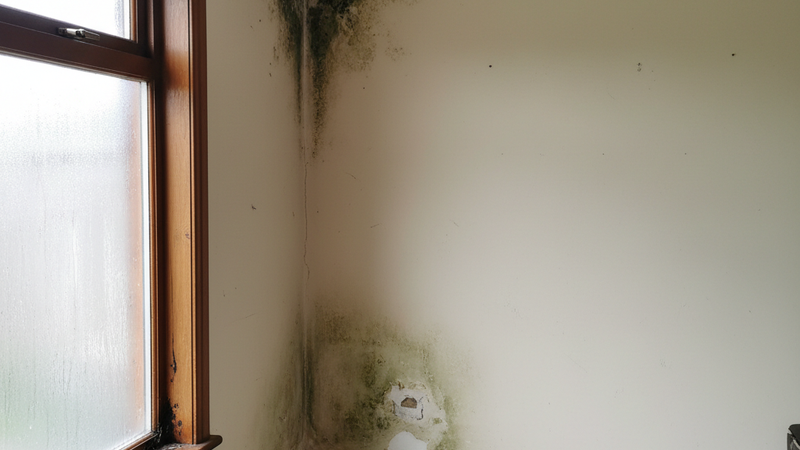
The term 'mould proof' often conjures images of impenetrable barriers, but in reality, achieving a completely mould-free environment hinges on understanding how mould thrives and diligently controlling those conditions. This article delves into the practical aspects of preventing and managing mould in UK properties, offering expert insights aligned with industry best practices like the IICRC S520 guidelines.
Understanding the Myth of 'Mould Proof'
While no material or building can be entirely 'mould proof' due to the ubiquitous nature of mould spores, the goal is to create an environment where mould cannot germinate, grow, and colonise. This involves a proactive approach to moisture control and good indoor air quality.
Mould Spores are Everywhere
Mould spores are microscopic and naturally present in both indoor and outdoor air. They are a fundamental part of our ecosystem, breaking down organic matter. The problem arises when these spores find suitable conditions indoors – namely moisture, a food source (almost any organic material like wood, plaster, paper, fabric, or even dust), and an appropriate temperature – to germinate and grow into visible colonies.
Key Factors for Mould Growth
- Moisture: This is the most critical factor. Mould needs water. Sources can include leaks (roof, pipes), condensation, rising damp, penetrating damp, flooding, or even high indoor humidity.
- Food Source: Most building materials contain cellulose or other organic compounds that serve as food for mould. Dust, dirt, and organic debris also provide nourishment.
- Temperature: While mould can grow in a wide range of temperatures, it generally thrives between 20°C and 30°C, common indoor temperatures in the UK.
- Time: Given the right conditions, mould can start growing within 24-48 hours.
Health and Safety Concerns of Mould Exposure
Exposure to mould can have various health implications, especially for vulnerable individuals. It's crucial for UK residents to understand these risks, which are a significant reason for prioritising mould prevention and remediation.
NHS Guidance on Mould and Health
The NHS advises that breathing in mould spores can trigger allergic reactions and cause or worsen respiratory problems. Common symptoms include:
- Sneezing, runny nose
- Red eyes, skin rash
- Asthma attacks
- Wheezing, breathlessness
Individuals most at risk include babies and children, elderly people, those with existing respiratory conditions (like asthma), people with weakened immune systems, and individuals with mould allergies.
Important point
Prolonged exposure to mould can lead to chronic health issues. If you suspect mould is affecting your health, consult a GP.
HSE and Workplace Mould Risks
The Health and Safety Executive (HSE) also recognises mould as a workplace hazard, particularly in environments like construction sites, food processing, or water-damaged buildings. Employers have a duty of care to protect their employees from exposure to biological agents, which include mould. Proper risk assessments and control measures are essential, aligning with HSE guidelines.
UK Regulations and Industry Standards for Mould
In the UK, dealing with mould isn't just about good practice; it's often a legal and regulatory requirement, especially for landlords, housing associations, and social landlords. Adherence to established standards ensures effective and safe remediation.
IICRC S520 Standard
The IICRC S520 Standard for Professional Mould Remediation is the globally recognised guideline for mould removal and prevention. It details the principles and procedures for assessing and remediating mould contamination in buildings, emphasising source identification, containment, removal, and post-remediation verification. As specialist UK mould remediators, we strictly adhere to these practices to ensure thorough and safe elimination of mould.
Housing Health and Safety Rating System (HHSRS)
In England and Wales, the Housing Health and Safety Rating System (HHSRS) is used by local authorities to assess housing conditions. Damp and mould growth are classified as a serious Category 1 hazard if they pose a significant risk to health. Landlords are legally obliged to address Category 1 hazards. Recent legislation like Awaab's Law further strengthens tenant rights and landlord responsibilities regarding damp and mould in social housing.
Key takeaway
For property owners and landlords, ignoring mould is not only a health risk but also a potential legal liability.
The Professional Mould Remediation Process
When mould infestation is significant, professional intervention is necessary. A professional remediation process is systematic and thorough, designed to eradicate mould and prevent its recurrence, following IICRC S520 guidelines.
Assessment and Source Identification
The first step is always a comprehensive assessment. This involves:
- Understanding the Extent: Visual inspection, moisture mapping, and sometimes air sampling to determine the spread and type of mould.
- Identifying the Source: Crucially, discovering and rectifying the moisture source (e.g., leak, condensation issue, failed damp proof course) that allowed mould to grow in the first place. Without addressing the source, mould will inevitably return.
Containment and Remediation
Once assessed, the area is contained to prevent cross-contamination to unaffected parts of the building. This often involves:
- Isolation: Using barriers (sheeting, zip walls) and negative air pressure to contain spores.
- Safe Removal: Contaminated materials are carefully removed, often double-bagged and disposed of according to local regulations. Non-porous materials can sometimes be cleaned.
- Cleaning & Disinfection: All affected surfaces are meticulously cleaned using antimicrobial agents that are safe for indoor environments.
- Drying: Ensuring all materials are thoroughly dried to prevent re-growth.
Prevention Strategies and Post-Remediation Verification
After remediation, a critical step is to implement preventative measures and verify the success of the clean-up.
- Moisture Control: Recommendations for long-term moisture management, such as improved ventilation, dehumidification, or structural repairs.
- Air Quality: Air scrubbers with H.E.P.A filtration are used during and after remediation to capture airborne spores.
- Post-Remediation Verification (PRV): A final inspection, sometimes including air or surface sampling, to confirm that mould levels have returned to normal, acceptable levels. This ensures the property is safe for re-occupancy.
Effective Prevention and Maintenance for a Mould-Resistant Home
Achieving a 'mould-proof' home is primarily about consistent prevention. Simple habits and maintenance can drastically reduce the risk of mould growth.
Controlling Humidity and Ventilation
High indoor humidity is a major culprit for condensation and mould. Strategies include:
- Ventilation: Regularly open windows for short periods, especially after showering, cooking, or drying laundry indoors. Use extractor fans in bathrooms and kitchens.
- Dehumidifiers: In particularly damp areas or during humid months, a dehumidifier can effectively lower indoor humidity levels. Aim for relative humidity between 30% and 50%.
- Heating: Keep your home adequately heated, especially in colder months, to prevent cold spots where condensation can form. Avoid drying clothes directly on radiators.
UK University Research
Research from institutions like UCL's Energy Institute often highlights the critical link between ventilation, building fabric, and indoor air quality in UK homes, directly impacting mould prevention.
Preventing and Addressing Moisture Issues
Proactive maintenance is key to stopping mould before it starts.
- Fix Leaks Promptly: Regularly inspect roofs, plumbing, and windows for any signs of leaks. Repair them immediately.
- Gutter Maintenance: Keep gutters clean and free-flowing to prevent rainwater overflow that can cause dampness in walls.
- Seal Gaps: Ensure window and door seals are effective to prevent water ingress.
- Outdoor Drainage: Ensure proper drainage around the foundation of your property to direct water away.
Cleaning and Housekeeping
Simple cleaning routines can make a big difference.
- Regular Cleaning: Dust and vacuum regularly, as mould can feed on organic dust particles.
- Wipe Down Condensation: Regularly wipe down surfaces where condensation forms, such as windowsills and cold walls.
- Inspect Regularly: Pay attention to hidden areas like behind furniture, under sinks, or in wardrobes for any early signs of mould.
When to Call Professional Mould Remediation Specialists
While small patches of surface mould might be manageable with DIY solutions, larger or more persistent issues require expert attention to ensure safety and effectiveness.
Signs it's Time for Professional Help
You should consider calling professionals if:
- Large Area: If the mould covers an area larger than 1 square metre (roughly a metre by a metre, or about eight A3 sheets of paper), or if multiple areas are affected.
- Strong Odour: A persistent musty smell often indicates hidden mould growth.
- Health Symptoms: If residents are experiencing unexplained health issues that could be linked to mould exposure.
- Hidden Mould: If you suspect mould behind walls, under flooring, or in ceiling cavities. Visible mould is often just the tip of the iceberg.
- Recurrent Mould: If mould keeps returning despite your best cleaning and prevention efforts, indicating an unaddressed moisture source.
- Sensitive Individuals: If children, elderly, or immunocompromised individuals live in the property.
The Benefits of Professional Remediation
Engaging professional mould specialists offers several advantages:
- Expertise: In-depth knowledge of mould types, growth patterns, and remediation techniques.
- Equipment: Access to specialised equipment for detection (moisture meters, thermal cameras), containment (negative air machines), and removal (HEPA vacuums, air scrubbers).
- Safety: Professionals use appropriate Personal Protective Equipment (PPE) and follow strict safety protocols to protect occupants and themselves.
- Source Identification: Accurately identify and advise on repairing the underlying moisture problem.
- Long-term Solutions: Beyond just cleaning, they provide strategies for long-term mould prevention.
- Verification: Post-remediation testing to confirm the area is clean and safe.
Whilst 'mould proofing' a property entirely is an ambitious claim, adopting robust moisture control, ensuring good ventilation, and addressing issues promptly can create a highly mould-resistant environment. For comprehensive guidance on costs, you can explore our mould removal cost calculator, and for more insights on maintaining a healthy home, visit our blog.