Preventing Dampness in Rooms: A UK Homeowner's Guide
Discover expert strategies to prevent dampness in your UK home, from understanding common causes to effective ventilation and maintenance techniques.
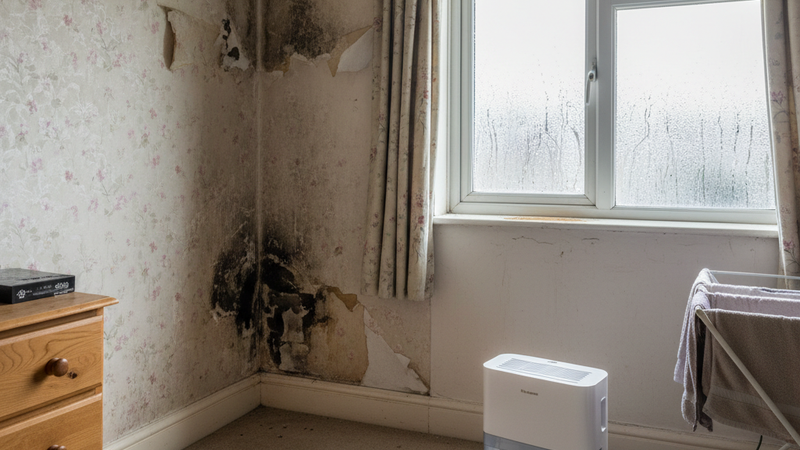
Preventing dampness in your home is crucial for maintaining a healthy living environment and preserving the structural integrity of your property. In the UK, high humidity levels and older building stock often contribute to dampness issues, which can lead to mould growth, unpleasant odours, and potential health problems. This comprehensive guide will equip you with essential knowledge and actionable strategies to effectively prevent dampness in any room of your house.
Understanding Dampness: Causes and Types
Dampness in a room isn't a single issue but rather a symptom with various underlying causes. Identifying the specific type of damp affecting your property is the first step towards an effective solution. Understanding the common culprits will help you target your prevention efforts.
Condensation Damp
Condensation is the most common form of dampness in UK homes, often exacerbated by modern living. It occurs when warm, moist air comes into contact with colder surfaces, such as windows, walls, and ceilings. Activities like cooking, showering, drying clothes indoors, and simply breathing all release significant amounts of moisture into the air. Without adequate ventilation, this moisture accumulates, leading to condensation. Visible signs include water droplets on windows, black mould spots, and peeling wallpaper.
Rising Damp
Rising damp is less common but more severe, originating from moisture travelling upwards through porous masonry from the ground. This happens when a property's damp-proof course (DPC) is either faulty, bridged, or non-existent. Signs include a tide mark on lower walls, crumbling plaster, staining, and a musty smell. It typically affects ground floor rooms and requires professional intervention to remedy the damp-proof course.
Penetrating Damp
Penetrating damp occurs when moisture infiltrates a building from the outside, usually through defects in the building fabric. This could be due to damaged guttering, leaky pipes, cracked rendering, faulty roof tiles, or deteriorated window seals. Signs include random damp patches on walls or ceilings that may worsen after rain. It’s crucial to quickly identify and repair the external defect to prevent further water ingress and structural damage.
Health and Safety Concerns of Dampness
Beyond structural damage, dampness poses significant risks to the health and well-being of occupants. The presence of mould, often a direct result of damp conditions, is particularly concerning for vulnerable individuals.
Respiratory Issues and Allergies
Mould spores released into the air can be inhaled, leading to a range of respiratory problems. The NHS advises that mould can worsen asthma symptoms, cause allergic reactions such as sneezing, runny nose, red eyes, and skin rash, and lead to more severe respiratory infections in susceptible individuals. Children, the elderly, and those with compromised immune systems are particularly at risk.
Impact on Mental Health
Living in a damp, mouldy environment can also take a toll on mental health. The constant musty smell, visible mould, and the perceived unsanitary conditions can contribute to stress, anxiety, and a reduced sense of well-being. The financial burden and psychological stress of dealing with persistent damp issues should not be underestimated. The recent focus following Awaab's Law highlights the severe consequences of landlords failing to address damp and mould.
Structural Damage Risks
Persistent dampness can lead to significant structural problems over time. It can cause timber decay (wet rot and dry rot), corrode metal fixings, and damage plasterwork and brickwork. This not only diminishes the aesthetic appeal of a home but can also compromise its structural integrity, leading to costly repairs down the line. For more on workplace health and safety, though broader, principles concerning indoor air quality are relevant, see HSE guidance on damp and mould.
Important point
Always address dampness promptly. Small issues can quickly escalate into major problems, impacting health and incurring significant repair costs.
UK Regulations and Standards for Indoor Dampness
In the UK, standards and regulations exist to protect occupants from the hazards of damp and mould, particularly in rented properties. Understanding these frameworks provides both property owners and tenants with obligations and rights.
Housing Health and Safety Rating System (HHSRS)
The Housing Health and Safety Rating System (HHSRS) is a risk assessment tool used by local authorities to identify and assess potential hazards in homes. Damp and mould growth is listed as one of 29 prescribed hazards. If damp and mould are categorised as a Category 1 hazard, landlords are legally obligated to take action to rectify the issue. This system ensures homes are safe and healthy for habitation.
IICRC S520 Guidelines
While primarily US-based, the IICRC S520 Standard for Professional Mould Remediation is widely recognised internationally and serves as a best practice guide for professional mould remediation in the UK. It outlines principles and procedures for identifying, assessing, and remediating mould-contaminated structures and contents, ensuring that remediation is carried out safely and effectively. Adhering to these guidelines helps prevent cross-contamination and ensures thorough removal of mould.
Tenant and Landlord Responsibilities
Landlords have a legal duty to ensure their properties are safe and free from hazards, including severe damp and mould. Tenants also have a responsibility to report issues promptly and to use the property in a ‘tenant-like manner’, which includes ventilating rooms appropriately and reporting leaks. Failure to address dampness can lead to legal action, particularly under Awaab's Law, in force for social landlords in England since 27 October 2025, which strengthens tenant protections against landlords who neglect severe damp and mould issues.
Effective Prevention and Maintenance Strategies
Proactive measures are key to preventing dampness and its associated problems. Implementing a few simple habits and making minor adjustments can significantly reduce the risk of damp occurring in your home.
Controlling Humidity and Improving Ventilation
Managing indoor humidity is your primary defence against condensation. This involves:
- Ventilating Regularly: Open windows for short periods daily, especially after showering, cooking, or during activities that create moisture. Use extractor fans in kitchens and bathrooms and ensure they are vented externally.
- Drying Laundry: Whenever possible, dry laundry outdoors. If drying indoors, ensure it's in a well-ventilated room with a window open or a dehumidifier running. Avoid drying clothes on radiators, which releases moisture directly into the room.
- Dehumidifiers: Use a dehumidifier in particularly humid rooms or during colder months when opening windows is less feasible.
Maintaining Your Property's Exterior and Interior
Regular property maintenance is vital for preventing penetrating and rising damp:
- Check Gutters and Downpipes: Ensure they are clear of debris and in good repair to prevent rainwater overflow that can soak walls.
- Inspect Roof and Masonry: Look for cracked tiles, missing mortar, or damaged rendering that could allow water ingress.
- Seal Gaps: Periodically check window frames and door seals for gaps or cracks and re-seal them as needed.
- Heating: Heat your home consistently, even if at a lower temperature, to prevent cold spots where condensation can form.
Insulation and Thermal Bridging
Proper insulation plays a crucial role in preventing condensation by keeping internal surfaces warmer. Address cold spots, particularly around window reveals, corners, and areas with poorly fitted insulation, often referred to as thermal bridging. Improving wall and loft insulation can significantly reduce the temperature difference between inside air and exterior walls, thereby lessening condensation risk. Consult with reputable contractors for insulation upgrades, ensuring proper vapour barriers are included where necessary.
When to Call Professional Mould Remediation Specialists
While many damp issues can be resolved with DIY efforts, there are specific situations where professional help is not only recommended but essential for health and property safety.
Persistent or Widespread Damp Issues
If you've tried various prevention methods and dampness persists, or if you notice widespread mould growth (e.g., covering more than a square metre), it’s time to call in the experts. Professional mould remediation specialists can precisely identify the source of the damp, which might not be immediately obvious, and have the equipment and expertise to address it thoroughly. They follow industry standards like the IICRC S520 to ensure effective and safe remediation.
Presence of Black Mould or Health Concerns
Any extensive mould growth, including so-called black mould (Stachybotrys chartarum), can worsen respiratory problems, allergies and asthma, particularly for vulnerable people. If you suspect black mould or if anyone in your household is experiencing unexplained respiratory issues, allergies, or other health problems that could be linked to mould, contact professionals immediately. They can conduct air quality tests and safely remove hazardous mould without spreading spores further.
Before and After Remediation Best Practices
Before professional remediation, it's wise to contain the affected area as much as possible and avoid disturbing the mould. Post-remediation, professionals will advise on necessary structural repairs and ongoing prevention. Always ensure that the root cause of the dampness has been fully addressed to prevent recurrence. Consider browsing our blog for more insights on remediation processes or use our cost calculator for an estimate.
Further Reading
For academic perspectives on indoor air quality and mould, explore research from UK institutions like the UCL Institute for Environmental Design and Engineering.
By understanding the causes of dampness, being proactive with prevention, and knowing when to seek professional help, you can maintain a dry, healthy, and comfortable home environment in the UK.