How to Reduce Dampness in Your UK Home: A Comprehensive Guide
Combat dampness in your UK home effectively. Learn causes, health risks, and prevention strategies following IICRC S520, Awaab's Law, and UK regulations.
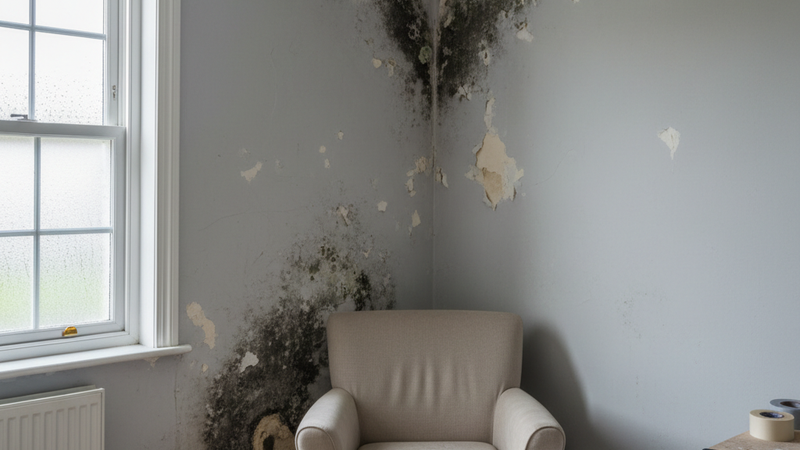
Dampness in your home is more than just an unsightly inconvenience; it's a precursor to mould growth, potential structural damage, and significant health risks. For homeowners and tenants across the UK, understanding the causes of damp and implementing effective reduction strategies is crucial for maintaining a healthy and comfortable living environment. This comprehensive guide, informed by expert IICRC S520 guidelines, will equip you with the knowledge and actionable steps to effectively tackle dampness.
Understanding Dampness in UK Homes
Dampness typically manifests in three primary forms, each with distinct causes and requiring specific solutions. Identifying the type of damp you're facing is the first critical step towards reduction.
Condensation Damp
Condensation is the most common form of dampness in UK homes, often resulting from everyday activities that release moisture into the air. When this warm, moist air meets cold surfaces like windows or external walls, it cools and releases its moisture as water droplets.
- Causes: Cooking, showering, drying clothes indoors, inadequate ventilation, poor insulation, and heating differentials.
- Symptoms: Water droplets on windows and walls, black mould spots, musty smells, peeling wallpaper.
Rising Damp
Rising damp occurs when moisture from the ground travels upwards through the capillary action of bricks and mortar, often due to a faulty or absent damp-proof course (DPC).
- Causes: Failed or bridged damp-proof course, porous building materials absorbing ground water.
- Symptoms: Tidemarks on walls (up to 1-1.5m high), crumbling plaster, salt efflorescence, dark staining, and a distinctive earthy smell.
Penetrating Damp
Penetrating damp, also known as lateral damp, occurs when water permeates through the exterior walls or roof of a property from the outside in. This is typically due to structural defects.
- Causes: Leaking gutters, cracked render, faulty flashing, damaged roof tiles, defective pointing, plumbing leaks, and overflowing drains.
- Symptoms: Damp patches on walls or ceilings that grow larger after rain, tide marks, puddles, and mould growth.
Important point
Accurate identification of the damp type is paramount. Misdiagnosing damp can lead to ineffective treatments and ongoing issues. Consider seeking professional advice if unsure.
Health and Safety Concerns Related to Damp
Beyond structural damage, dampness directly impacts indoor air quality and poses significant health risks, particularly when accompanied by mould growth.
Respiratory Problems
Exposure to mould spores, which thrive in damp conditions, is a common trigger for respiratory issues. Individuals with existing conditions are particularly vulnerable.
- Asthma exacerbation: Mould spores can trigger asthma attacks and worsen symptoms.
- Allergic reactions: Symptoms include sneezing, runny nose, red eyes, and skin rash.
- Other respiratory symptoms: Wheezing, coughing, shortness of breath, and chest tightness.
Other Health Impacts
Damp and mould can affect more than just the respiratory system, impacting overall well-being and potentially leading to more severe health issues over time.
- Infections in vulnerable people: People who already have weakened immune systems are at higher risk of infections from mould exposure.
- Skin and eye irritation: Direct contact with mould or exposure to airborne spores can cause irritation.
- Mental health: Living in a damp, mouldy environment can contribute to stress, anxiety, and depression.
The NHS provides clear guidance on the health risks associated with damp and mould, advising prompt action to protect your health.
UK Regulations and Standards for Addressing Damp
In the UK, both homeowners and landlords have responsibilities regarding damp and mould, governed by specific regulations and industry standards to ensure healthy living conditions.
Housing Health and Safety Rating System (HHSRS)
The HHSRS is a risk assessment tool used by local authorities to assess potential hazards in residential properties, with damp and mould being a key consideration. This system applies to all residential premises.
- Category 1 hazards: These are the most serious hazards, posing a significant risk to health and safety. Severe damp and mould can be classified as a Category 1 hazard.
- Landlord responsibilities: Landlords are legally obliged to ensure their properties are free from Category 1 hazards. Failure to do so can result in enforcement action from the local council.
You can find more information on housing conditions and the HHSRS on GOV.UK.
IICRC S520 and Awaab's Law
While IICRC S520 is a global standard for professional mould remediation, its principles are highly relevant to UK practice. Additionally, recent legislative changes are increasing pressure on landlords.
- IICRC S520: This standard outlines best practices for assessing and remediating mould contamination in buildings, emphasising occupant and worker safety, containment, and thorough decontamination. It forms the backbone of professional mould removal services.
- Awaab's Law: This critical new legislation, inspired by the tragic death of Awaab Ishak, places new legal duties on social landlords to investigate and fix hazards like damp and mould within strict timeframes. While primarily for social housing, it sets a precedent for improved housing standards across all tenures. Learn more about its implications in our article on Awaab's Law.
Protecting Your Interest
As a tenant, it's vital to report damp and mould issues to your landlord immediately. As a landlord, proactive maintenance and adherence to regulations are essential to avoid legal repercussions and ensure tenant safety.
Effective Strategies for Dampness Reduction: Prevention and Maintenance
Proactive measures are often the most cost-effective way to manage dampness. Implementing good habits and maintaining your property can significantly reduce the risk.
Improving Ventilation and Airflow
Enhancing air movement is key to tackling condensation by allowing moist air to escape and fresh air to circulate.
- Regular airing: Open windows for 5-10 minutes multiple times a day, especially after showering or cooking.
- Extractor fans: Ensure all bathrooms and kitchens have functioning extractor fans and use them consistently, even for a short period after finishing the activity.
- Trickle vents: Keep trickle vents on windows open to allow continuous low-level airflow.
- Avoid blocking vents: Ensure air bricks and permanent vents are clear of obstructions like furniture or insulation.
Managing Moisture Sources
Controlling the generation of moisture within your home is critical for preventing condensation.
- Drying laundry: Dry clothes outdoors when possible. If drying indoors, use a tumble dryer vented to the outside or place clothes in a well-ventilated room with a window open or a dehumidifier running. Avoid drying clothes on radiators directly.
- Cooking habits: Use extractor fans, keep pan lids on while cooking, and close kitchen doors to contain steam.
- Dehumidifiers: These appliances can effectively remove excess moisture from the air, particularly useful in problem areas or during colder months.
- Maintain consistent heating: Instead of bursts of high heat, maintain a lower, consistent temperature to prevent cold spots where condensation can form. This also helps reduce energy consumption.
Exterior and Structural Maintenance
For rising and penetrating damp, addressing structural integrity is paramount.
- Check gutters and downpipes: Ensure they are clear of debris, not leaking, and properly direct rainwater away from the property.
- Inspect roof and chimney: Look for damaged or missing tiles, cracked flashing, and crumbling mortar.
- Examine external walls: Check for cracked render, missing pointing, or damaged brickwork that could allow water ingress.
- Ground levels: Ensure external ground levels are lower than your damp-proof course to prevent bridging.
- Plumbing checks: Regularly inspect visible pipes for leaks, and address any drips or wet patches promptly.
When to Call Professionals for Damp Remediation
While many damp issues can be managed with DIY approaches, certain situations demand the expertise of qualified professionals to ensure effective and safe resolution.
Signs Indicating Professional Intervention
Knowing when to escalate an issue to a professional can save you time, money, and prevent further damage or health risks.
- Persistent or widespread damp: If damp patches reappear after treatment or affect large areas, it likely indicates a deeper structural issue.
- Unidentified damp source: If you cannot determine the cause of the damp, a professional survey is essential.
- Extensive mould growth: Mould covering an area larger than one square metre, or heavy black mould growth, should always be handled by professionals trained in IICRC S520 remediation.
- Suspected rising or penetrating damp: These types of damp often require specialist diagnostic equipment and structural repairs.
- Health concerns: If occupants are experiencing persistent health issues linked to damp or mould, professional assessment and remediation are crucial. The HSE provides guidance on mould in workplaces, which also offers relevant insights for residential settings.
The Professional Remediation Process
A professional remediation service follows a structured approach to safely and effectively eliminate damp and mould issues, adhering to standards like IICRC S520.
- Assessment and diagnosis: A qualified surveyor will identify the type and source of damp using specialist equipment (e.g., moisture meters, thermal imaging cameras).
- Source rectification: The primary damp source must be fixed – this could involve repairing a DPC, sealing leaks, improving ventilation, or structural repairs.
- Mould removal: Where mould is present, professionals use specialised cleaning agents and techniques, often involving containment strategies and air filtration, to safely remove mould spores and contaminated materials.
- Drying and dehumidification: Industrial-grade drying equipment is used to thoroughly dry affected areas, preventing recurrence.
- Restoration: Any damaged building materials (plaster, floorboards) are repaired or replaced, and affected surfaces are treated to inhibit future mould growth.
Choosing the Right Professional
When selecting a professional, always prioritise expertise and accreditation.
- Accreditations: Look for companies with accreditations from reputable bodies like the Property Care Association (PCA) for damp and timber, or those following IICRC S520 standards for mould remediation.
- Insurance and guarantees: Ensure they hold appropriate insurance and offer guarantees for their work.
- References and reviews: Check their track record and read customer testimonials.
Understanding the potential cost of mould removal can help you budget for professional services.
Long-Term Prevention and Monitoring
Reducing dampness is an ongoing process, requiring continuous vigilance and maintenance to ensure your home remains dry and healthy.
Regular Home Inspections
Make it a habit to regularly inspect your home, both inside and out, for early signs of dampness or potential issues.
- Monthly internal checks: Look for condensation on windows, damp smells, new spots on walls/ceilings, or peeling paint in poorly ventilated areas.
- Seasonal external checks: Before winter, inspect gutters, downpipes, roof, and external walls for damage that could lead to penetrating damp.
Continuous Home Environment Management
Effective management of your home's internal environment is crucial to keep moisture levels in check.
- Humidity monitoring: Consider using a hygrometer to monitor indoor humidity levels, aiming for 40-60%.
- Smart ventilation: Explore smart ventilation systems that automatically adjust based on humidity levels.
- Insulation improvements: Proper insulation can keep internal surfaces warmer, reducing condensation points. For example, solid wall insulation can reduce heat loss by 45%. Research options from reputable sources, such as Energy Saving Trust.
By proactively addressing damp and adopting these preventative measures, you can create a healthier, more comfortable, and longer-lasting home environment for everyone. Browse our blog for more tips and insights into maintaining a damp-free property.